


By GINNAH MINI
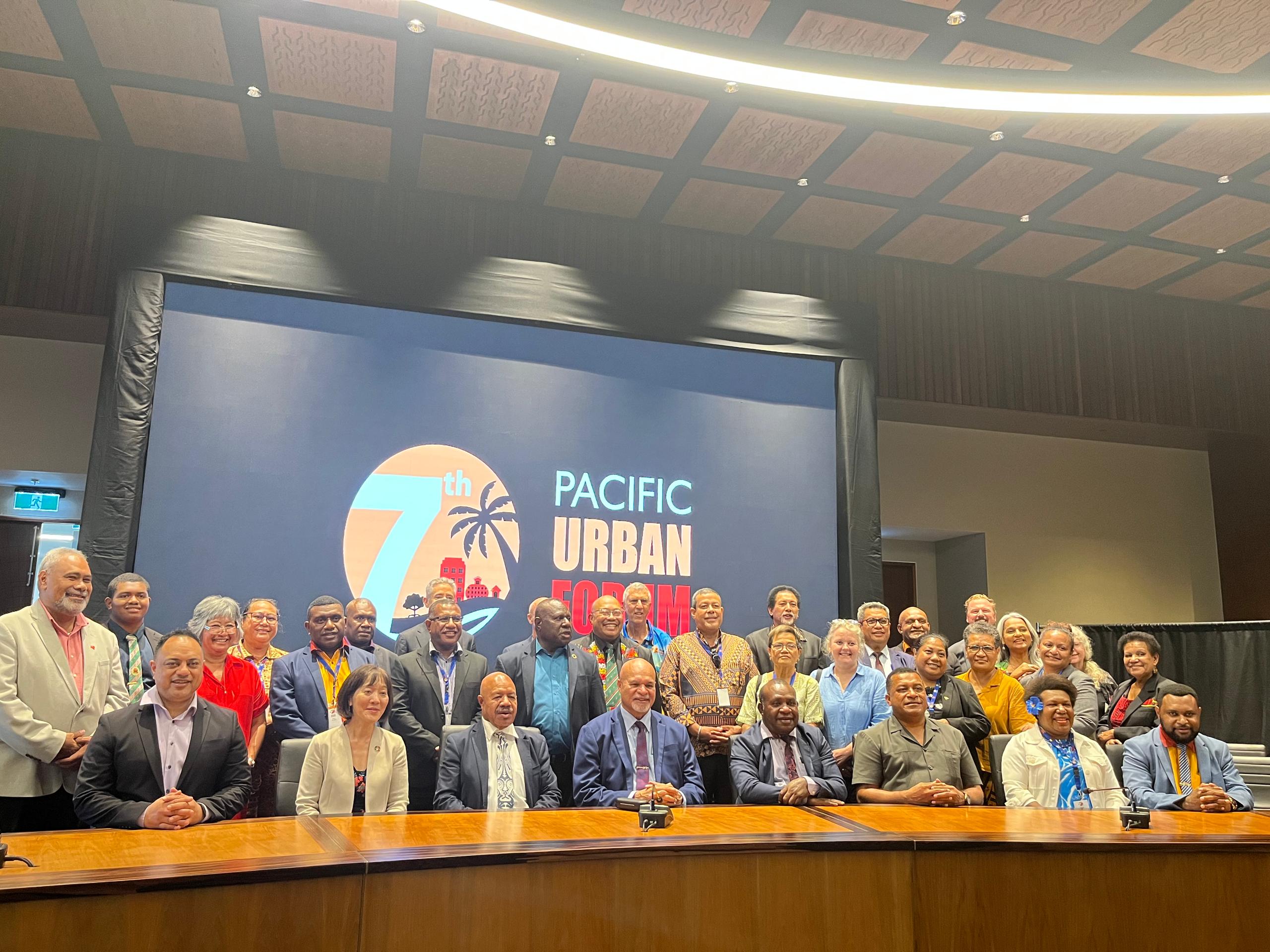
The three- day 7th Pacific Urban Forum (PUF7)) concluded today in Port Moresby, bringing together more than 120 delegates from across the Pacific to collaborate, explore innovative solutions and develop key resolutions aimed at strengthening urban planning and building more inclusive, resilient, and sustainable across the Pacific region.
The National Capital District (NCD) in partnership with regional and international partners has ended the dialogue collaboration, and discussions on the future of Pacific cities.
Governor for NCD and PUF7 Co-Chair, Powes Parkop, stated that the three day forum has seen a lot of discussions about the profile of urban centers for regional cooperation and development.
“I believe the discussions has strengthen our will and determination to work together to find solution (to urban agendas) which is the main important challenge that is before us,” said Parkop.
The need for urban agenda as a national priority arises as urban areas population could double in the years to come, thus clear strategies need to be set.
Deputy Prime Minister and Minister for Lands & Immigration, John Rosso in his closing remarks said that Pacific region has united by shared purpose to discuss the future of towns and cities in the Pacific and the challenges and opportunities for urban development that lies ahead.
“For everyone in the Pacific, your insights, experiences and contributions are not just meetings but a meaningful platform for collaboration, dialogue and action,” said Rosso.
Rosso said that PNG is proud to have hosted this important regional event in the nation’s capital.
“Our cities are growing rapidly, bringing with them both challenges and opportunities.”
As the population increases, there is pressure on infrastructure, land management, basic services and employment throughout the Pacific.
At the same time, urban centers are becoming engines of economic growth, innovation and opportunity.
While the populations in the Pacific region together with the countries around the world are going to shift to urbanization by 70% in 2050, there are both challenges and opportunities that need to be addressed before the development.