

A humanitarian mission delivering much needed food supplies to conflict affected communities in Kagua has coincided with a significant breakthrough in peace efforts between the Wambea and Mirupa tribes.
A Port Moresby-based team led by Augustine Mano, David Wereh, Dickson Tasi, and Lapan Mirupasi travelled back to their home area to provide food assistance to mothers, children, and the elderly who have been severely impacted by the ongoing tribal fighting.
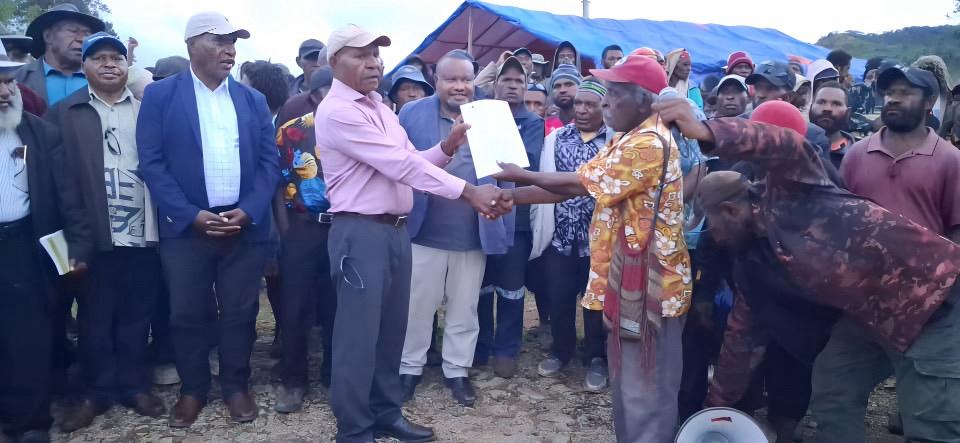
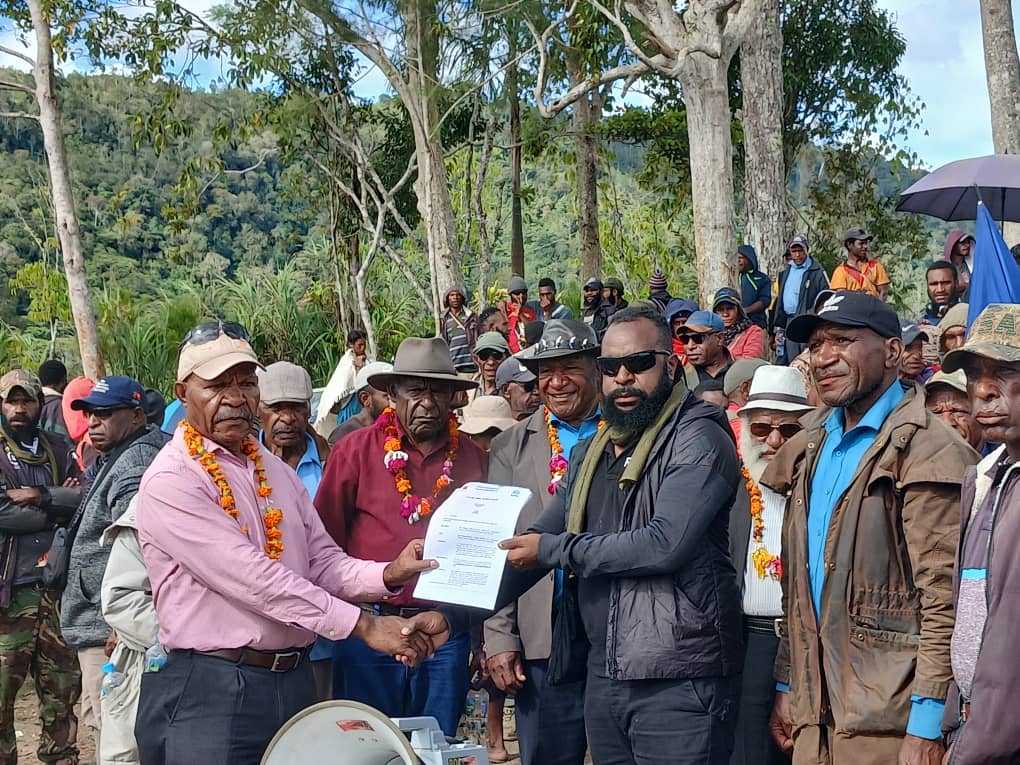
In what many described as a remarkable and timely coincidence, the team met on the ground with members of the Southern Highlands Peace Restoration Committee, who were also in Kagua to present a draft ceasefire agreement to both warring tribes.
Leaders and community members present described the moment as a “divine intervention,” where humanitarian support and peace mediation aligned at a critical point in time.
The presence of both groups created a powerful and emotional atmosphere that encouraged dialogue, softened tensions, and ultimately led to both tribes agreeing to accept and commit to the draft ceasefire.
Adding to the significance of the moment was the emergence of strong, heartfelt leadership from young representatives of both tribes.
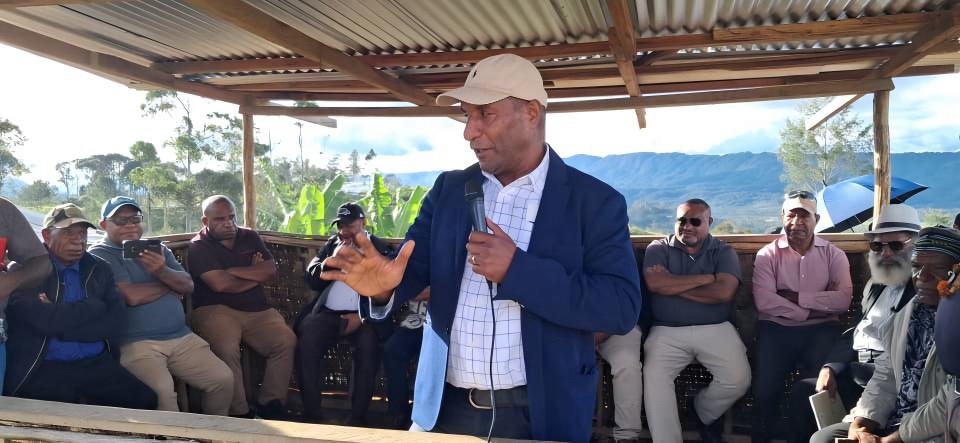
Leon Yano, representing the Wambea tribe, spoke passionately in support of peace, calling for an end to violence and urging his people to embrace reconciliation. His message, delivered from the heart, resonated deeply with those present and reinforced the need for unity moving forward.
On the other side, Rob Kawaipa, speaking on behalf of the Mirupa tribe, became visibly emotional during proceedings.
Overcome with emotion, he broke down in tears as he acknowledged the pain caused by the conflict and took ownership of leading restoration efforts within his tribe.
His emotional appeal and commitment to rebuilding relationships were widely seen as a turning point in the discussions.
Both young leaders were praised for demonstrating true leadership on the ground, setting an example for others to follow during a time of deep division.
Meanwhile, Topa Mata, also known as Andakapu, was acknowledged for his consistent and tireless efforts in advocating for peace since the conflict began.
He remained on the ground throughout the crisis, working closely with both sides to maintain dialogue, de-escalate tensions, and keep communication channels open.
His dedication and persistence have been credited as key factors in bringing both parties to the negotiating table.
Community members expressed heartfelt gratitude for the food assistance, saying it provided immediate relief to vulnerable groups while also reinforcing a powerful message that peace, unity, and cooperation are still possible despite the hardships.
Leaders present emphasized that the timing of both the humanitarian mission and the peace mediation effort played a crucial role in shifting mindsets, restoring hope, and opening the door for meaningful dialogue and reconciliation.
As both tribes now move towards implementing the ceasefire agreement, there is growing optimism that lasting peace can finally be achieved in Kagua and surrounding areas.