


By GEORGINA MICHAEL
Milling companies in Papua New Guinea’s oil palm industry are calling for an internal review of the proposed 70:30 payout ratio in the Oil Palm Management Bill 2025, arguing the split must be fair and beneficial for all parties involved.
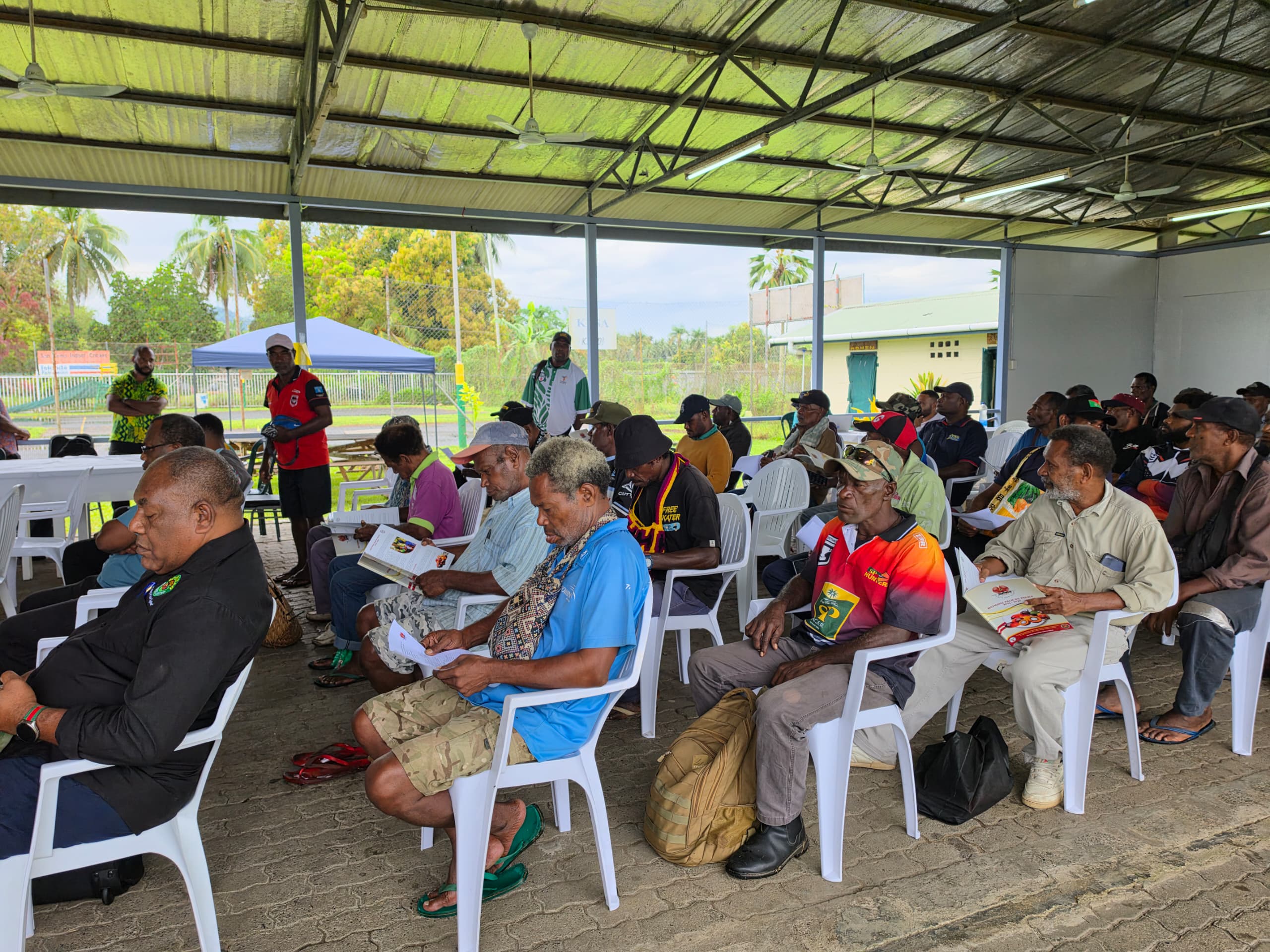
The issue was raised during the final validation program for the Oil Palm Management Bill 2025 and Oil Palm Authority Bill 2025 in Kimbe, West New Britain, last week. The meeting concluded nationwide consultations held earlier in Lae, Port Moresby, and Kokopo.
Hargy Oil Palm Limited General Manager Craig Gibsone said the industry’s original discussions centered on a “win-win” arrangement for growers, millers, and government.
He stressed that the current 70:30 ratio needs regular review to reflect the real costs of milling, transport, and infrastructure. “What is the fair payout ratio for growers and milling companies? This payout ratio has to be reviewed regularly because the last review was done 10 years ago,” Gibsone said.
In response, the OPIC technical team noted that milling companies had been offered one-on-one consultations to submit individual cost breakdowns but instead requested the Oil Palm Research Authority (OPRA) to represent them.
OPIC confirmed a NEC submission has already been made on the 70:30 ratio but added that milling companies’ figures would be considered if presented. OPIC also clarified that a wrong draft bill had been leaked and circulated earlier, which could mislead stakeholders.
Representatives from milling companies also raised concerns about levy transparency and enforcement under the draft bills.
Gibsone said OPIC struggled with service delivery over the years, leading growers and mills to lose confidence in how levies were used. “Levies have been paid, however the transparency for what it’s being used for hasn’t been clear. That is one of the reasons why we stopped paying levies and put that money into our extension services,” he explained.
He added that the bill says little about extension services and warned that proposed licensing and enforcement measures could make operations harder rather than more sustainable.