


Recent public commentary has misrepresented the legal and governance framework governing Kumul Petroleum Holdings Limited (KPHL). The explanation below sets out to clarify the facts for the purpose of public discourse.
1. KPHL: A State-Owned Enterprise Established by Law
Kumul Petroleum Holdings Limited (KPHL) is a state-owned company incorporated under the PNG Companies Act. It is established and governed by the Kumul Petroleum Holdings Authorization Act 2015 (KPAA), an Act of Parliament that gives effect to the creation, structure, and function of KPHL as the national oil and gas company of Papua New Guinea.
2. Prime Minister as Trustee Shareholder
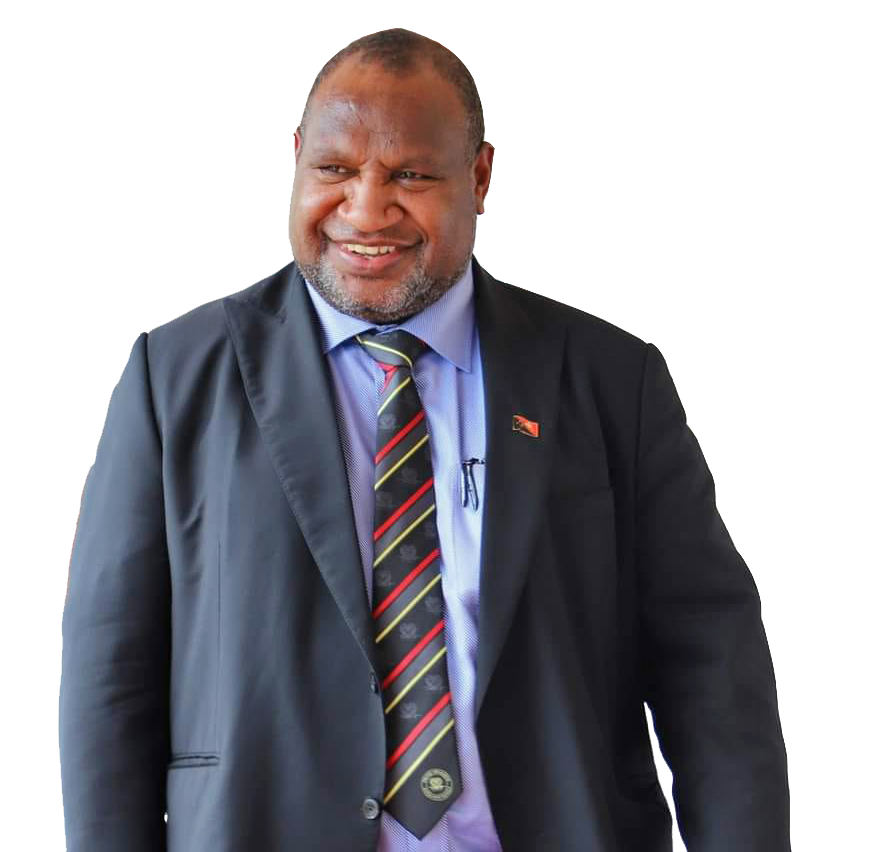
Under Section 4 of the KPAA, the Prime Minister of the day is the sole trustee shareholder of KPHL. This means the Prime Minister holds all shares in trust on behalf of the people of Papua New Guinea.
Benefits of this Trustee Structure:
• Direct accountability: It ensures that the leadership of KPHL is ultimately accountable to the highest elected office in the land.
• Prevents political interference: By vesting shareholding in the PM as trustee (rather than a ministerial or departmental entity), the arrangement reduces risks of political factionalism interfering in the operations of a national asset.
• National interest safeguarded: It allows the Prime Minister to act decisively in protecting strategic interests in oil and gas developments, particularly in deal-making, restructuring, and board oversight.
3. Board Appointment and Governance (Section 10, KPAA)
The Board of KPHL is appointed by the Trustee Shareholder (Prime Minister), in accordance with Section 10 of the KPAA. Key elements include:
• Fit and Proper Criteria: Board nominees must meet rigorous “fit and proper” criteria, including demonstrated competence, integrity, and industry or commercial experience.
• Term of Office: Directors are appointed for a term of up to three years, renewable subject to performance and compliance with the fit and proper test.
This structure is intended to provide professional oversight, strategic direction, and commercial discipline to KPHL while remaining accountable to the State through the Trustee.
4. Planning, Policy and NEC Oversight
Under the KPAA and standard SOE governance principles:
• KPHL must prepare an Annual Operating Plan and maintain a Dividend Policy.
• These must be endorsed by the KPHL Board and submitted to the National Executive Council (NEC).
• This ensures alignment with broader national economic strategies and allows Cabinet to influence how national resource revenues are utilised.
5. Not a Publicly Listed Company
KPHL is not a publicly listed company like BSP Financial Group. It is a strategic state vehicle that holds PNG’s regulated equity share in petroleum and gas projects under the Oil and Gas Act 1998, on behalf of the Independent State of Papua New Guinea.
Its operations, finances, and governance are therefore subject to a different legal and accountability framework than private or listed companies.
6. Role of Minister for State-Owned Enterprises (SOE Minister)
Under KPAA:
• The Prime Minister may delegate his trustee powers to another Minister, commonly the Minister for State-Owned Enterprises.
• However, this delegation is at the Prime Minister’s discretion and can be withdrawn at any time.
This maintains ultimate control in the Office of the Prime Minister, while allowing day-to-day SOE coordination to be managed at the portfolio level.
7. Prime Minister Marape’s Commercial Acumen in Resource Negotiations
Prime Minister Marape brings a deep track record of negotiating major resource projects:
• As a Minister in 2008, he was part of the Ministerial Economic Committee that successfully negotiated the PNG LNG Project under the National Alliance Government.
• As Prime Minister, he renegotiated the Papua LNG, P’nyang, and Pasca A projects, securing state take-ups above 51%, a major milestone under the “Take Back PNG” policy.
• Through these negotiations, KPHL is positioned to hold equity in multiple Tier 1 LNG projects, expanding its role and revenue base, and potentially becoming a regional LNG player of significant scale.
Conclusion:
The Prime Minister’s role as Trustee Shareholder of KPHL is a legal responsibility, not a political privilege. Any commentary suggesting otherwise is uninformed or misleading. The Prime Minister by virtue of the position he holds has the moral responsibility to safeguard the resource of the nation not only for today but for the future generations as well.
Fair call and of course clear clarificatio
Comments are closed.