


By DALCY LULUA
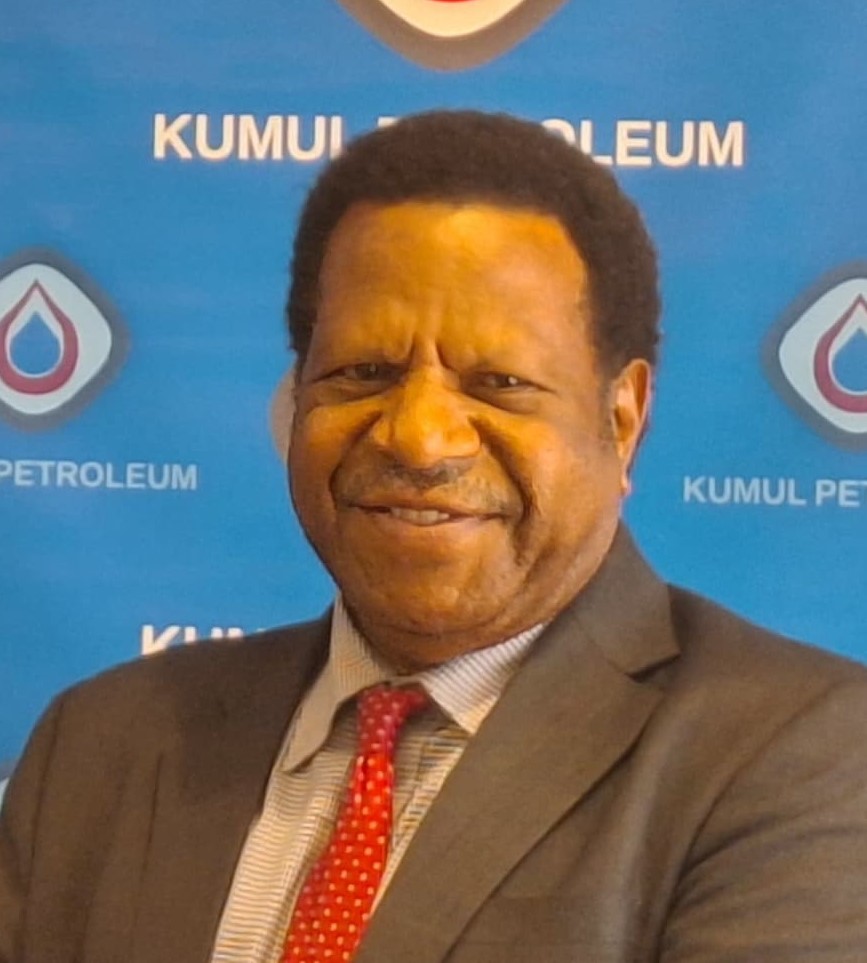
EDUCATION Secretary Dr Uke Kombra has called urged all State-owned entities and semi-government organisations to join Kumul Petroleum Holdings Limited (KPHL) in supporting the Science, Technology, Engineering, and Mathematics (STEM) national scholarship program.
Speaking at the official signing of a five-year Memorandum of Understanding (MoU) between KPHL and the Department of Education, Dr Kombra commended KPHL’s leadership in committing over PGK150 million to sponsor the country’s top STEM students for overseas education and challenged other entities to follow suit.
“Kumul Petroleum is leading the way with this historic investment in our future workforce. Now we are calling on other state entities and semi-government organisations to step forward and support this signature program of the government,” said Dr. Kombra. “This is a national call to action—for PNG’s future.”
The STEM scholarship initiative, launched in 2021, aims to send the top-performing students in the fields of science, technology, engineering, and mathematics to leading universities abroad.
So far, 208 students have been awarded scholarships, including 107 currently studying in the United States in institutions such as Nicholls State University, University of North Dakota, and South Dakota State University.
Dr Kombra said the fields of study-ranging from petroleum engineering and information technology to health sciences-are highly relevant to the future of the country and the development needs of its state-owned corporations and industries.
“We’re not just investing in students-we’re investing in the future workforce of our energy companies, our telecom sector, our national airlines, ports, hospitals, and beyond. These are the people who will run PNG tomorrow,” he said.
The Secretary emphasised that while KPHL has taken the bold first step, national progress depends on collective commitment.
“I am now calling on entities all other semi-government organisations to come on board. This is about building the intellectual and technical capital you will need in the future,” he said.
Dr Kombra acknowledged that for many years, PNG had consumed technology and research developed elsewhere but had not made enough investment in building its own knowledge base.
“We’ve relied on foreign innovation, but now it’s time to grow our own. The 21st century demands a knowledge-based economy, and this program is how we prepare for it.”
He reaffirmed that the partnership with KPHL is only the beginning and encouraged other organisations to see the value-not just in national terms, but in the long-term sustainability of their own operations.
“You are not giving away money-you are building capacity. You are creating the engineers, IT experts, scientists, and leaders that will one day lead your organisations and drive this country forward.”
Dr Kombra concluded with a hopeful call:
“Let us all work together. With your support, we can expand this program and truly unlock the potential of our future generation.”