


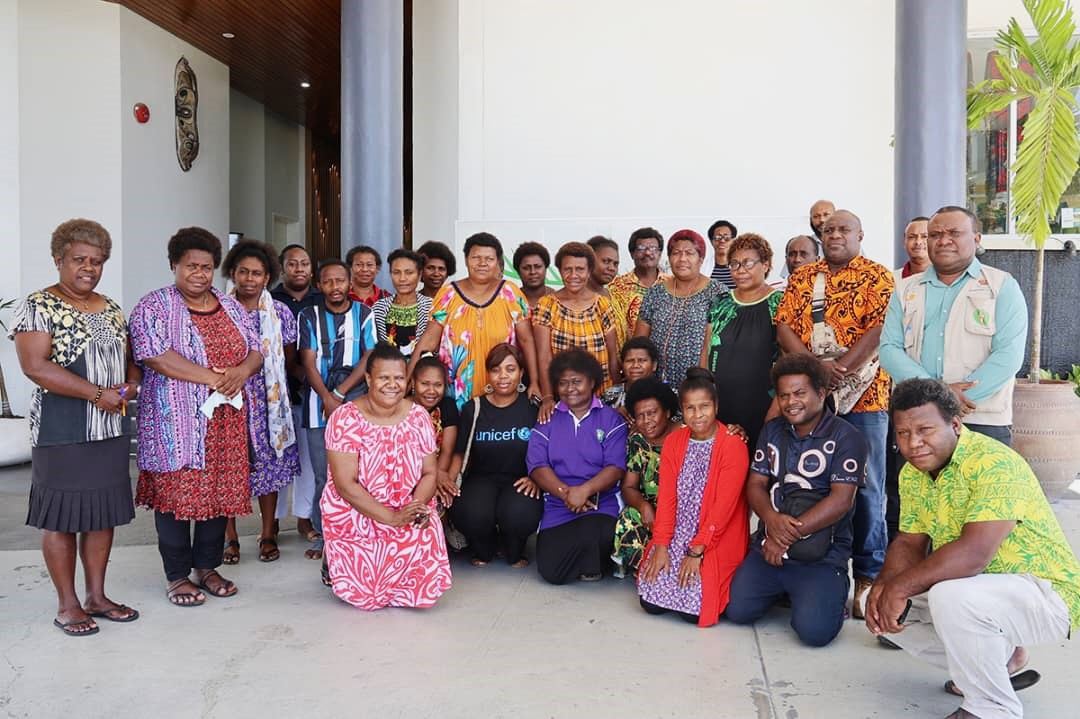
MORE than 150 village health assistants from Madang, East New Britain and Catholic Church attended a recent workshop on safeguards implementation and reporting under the Child Nutrition and Social Protection (CNSP) project.
The CNSP project is a government initiative, supported by the World Bank, and aimed at improving child nutrition outcomes and extending social protection services to vulnerable populations.
The health workers were sponsored by Madang and East New Britian provincial health authorities, and the Catholic Church Health Services.
The Environmental and Social Safeguards workshop took place at two venues in Madang and four venues in East New Britain.
Deputy public health director with the ENB Provincial Health Authority, Paschalis Kinakava, at thanked coordinators, church partners, and the National Department of Health for their support in tackling nutrition, stunting and related challenges.
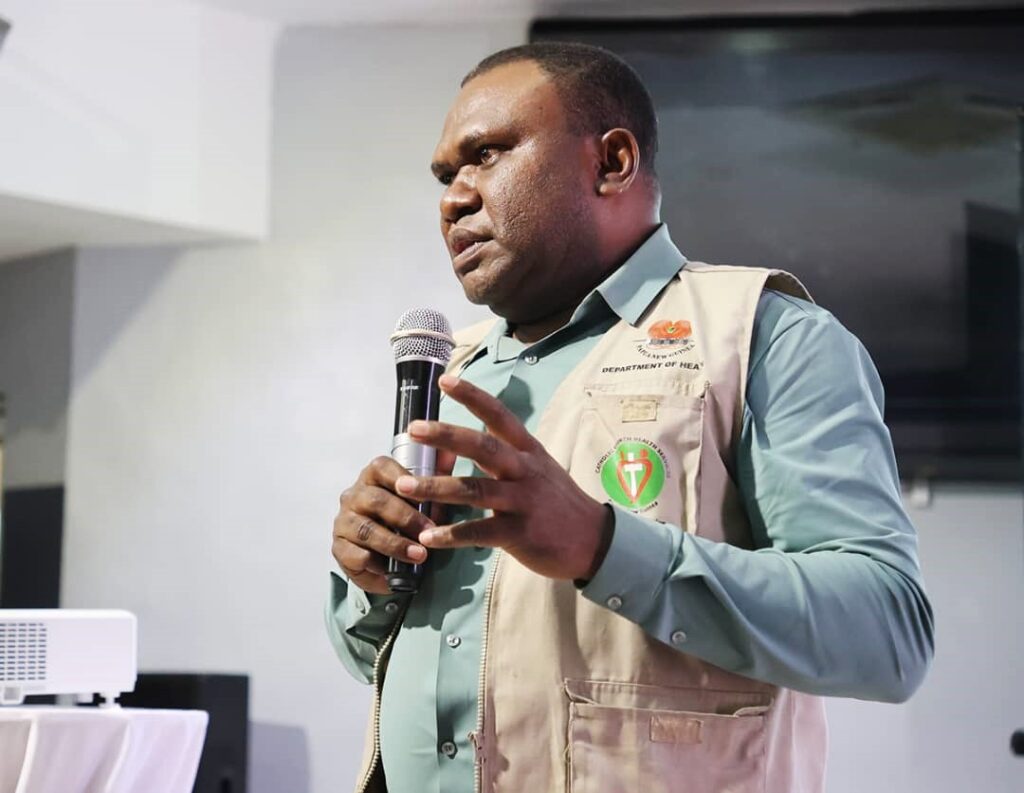
“As we all know, this is an important program, as it will address a very important indicator that has been trending so badly in the last 10 years, Mr Kinakava said during the opening of the workshop in Kokopo.
“Such programs like this are designed specifically to improve certain areas so that we improve the outcome or the indicator, especially in the area of nutrition.”
“We have been faced with so many challenges at various levels. Some of these, if you scrutinize them properly, you can address them at your own level, while others can be addressed at a higher level.
“This training is very important in bringing us into this space so you learn how best you can be able to manage grievances at the facility level in relation to your district health centre volunteers, your facilities, officer in charge, etc.
The workshop empowered participants to act as agents of protection and inclusion—strengthening the integrity of the project rollout and ensuring that the most vulnerable are respected, heard, and safeguarded throughout the project’s life cycle.
The project specifically targets pregnant women, mothers of children under two, health professionals, community volunteers, and government officials involved in nutrition planning.