


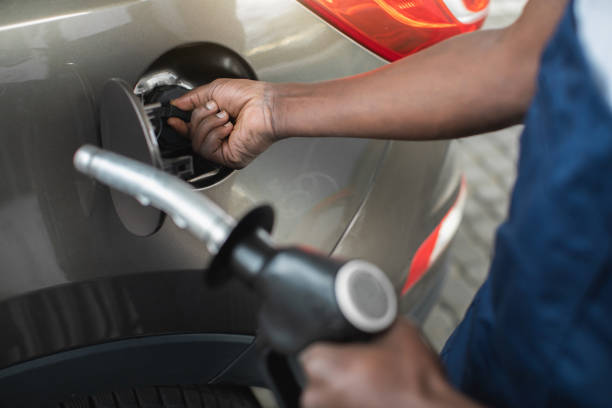
THE Independent Consumer and Competition Commission (ICCC) has announced new indicative retail prices (IRP) for petroleum products across Papua New Guinea, effective from 8 March 2026, following increases in global oil prices.
According to the regulator, the updated fuel prices reflect several cost components including the Import Parity Price (IPP) for each petroleum product, domestic sea and road freight rates for the first quarter of 2026, approved wholesale and retail margins for 2026, Goods and Services Tax (GST), and applicable excise duties.
In Port Moresby, the maximum indicative retail prices for regulated petroleum products have increased as follows:
- Petrol: Increased by K0.13 per litre, rising from K4.27/L in February to K4.40/L.
- Diesel: Increased by K0.22 per litre, rising from K4.27/L to K4.45/L.
- Kerosene: Increased by K0.19 per litre, rising from K3.90/L to K4.09/L.
The ICCC noted that maximum retail prices in other centres nationwide will also adjust in line with the changes observed in Port Moresby.
The movement in retail prices is largely attributed to international benchmark price changes based on the Mean of Platts Singapore (MOPS), which tracks refined petroleum product prices in the region.
MOPS prices increased during February in response to rising global crude oil prices. The rise in crude prices was primarily driven by unplanned supply disruptions caused by severe weather conditions, as well as geopolitical tensions involving the United States and Iran. Strong demand growth from developing economies also contributed to the upward pressure on prices.
ICCC officers will conduct inspections of service stations nationwide to ensure fuel prices remain within the allowable maximum limits as part of the Commission’s ongoing enforcement efforts.
While the ICCC sets the maximum indicative retail price to two decimal places, retailers may choose to sell fuel below the approved maximum price and may display pump prices to one decimal place.
Consumers are advised that the recent Iran–Israel conflict (2026 escalation) could influence domestic fuel prices in April 2026, due to the one-month lag in Papua New Guinea’s fuel price calculation system. The ICCC will provide further updates next month as the impact of global geopolitical developments becomes clearer.