


By JOEL K ANDREW
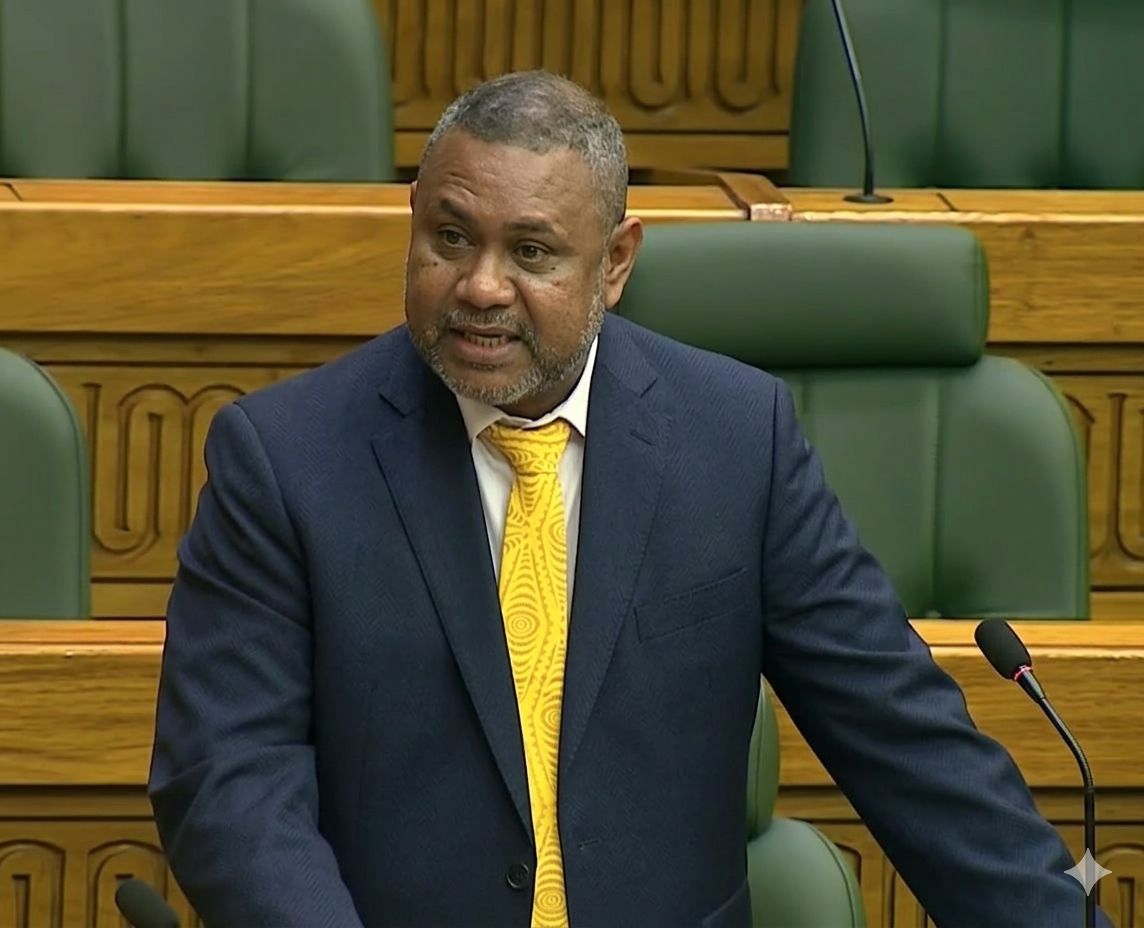
CHAIRMAN of the Special Parliamentary Committee on Customary Land and Land Reforms, Keith Iduhu, today presented a comprehensive report to Parliament outlining proposals aimed at strengthening the protection of customary land while allowing fair and sustainable development for Papua New Guineans.
Presenting the report to Parliament, the Deputy Opposition Leader and Member for Hiri Koiari said the findings address one of the most critical issues facing Papua New Guinea, how the country can protect its customary land ownership system while enabling economic development.
“Land in Papua New Guinea is not simply property. It is identity, ancestry, spiritual connection, food security and social stability,” Mr Iduhu told Parliament.
He said nearly 97 percent of land in the country remains under customary ownership, making Papua New Guinea one of the strongest customary landholding societies in the world. According to the committee’s findings, customary land systems across the country are deeply rooted in the identity of communities and are governed by diverse traditions, including matrilineal systems where land rights pass through the mother’s line, and patrilineal systems where land stewardship follows the father’s lineage.
“Both systems are legitimate expressions of customary law and cultural identity, and both must be respected and preserved,” Mr Iduhu said.
He told Parliament that the committee’s nationwide inquiry identified several serious challenges affecting customary land governance, including historical land alienation without the consent of landowners, abuses associated with Special Agriculture and Business Leases, manipulated Incorporated Land Groups, fraudulent land registrations, and long-running land disputes that continue to divide communities and delay development.
The committee also heard concerns about missing land records, weak institutional oversight and fragmented responsibilities among government agencies responsible for land administration. Mr Iduhu said landowners across the country consistently repeated one message during the inquiry.
“They told us clearly wherever the committee travelled: ‘Our land is our life,’” he said.
Public hearings were held in Port Moresby, Kokopo, Lae and Mount Hagen as part of consultations conducted throughout 2025 and early 2026. More than 1,000 participants appeared
before the committee, including clan elders, custodial chiefs, women leaders, youth representatives, land group executives, provincial administrators, church organisations, academics, legal experts, civil society groups, bankers and officials from relevant government departments.
Alongside the report, the committee has proposed a draft Customary Land Tenure Bill intended to strengthen the legal framework governing customary land. Mr Iduhu said the proposed legislation aims to reinforce landowner authority while improving transparency and accountability in land administration.
Key features of the proposed bill include stronger recognition of customary authority and landowner primacy, mandatory free, prior and informed consent before development on customary land, transparent clan identification and registration systems, accountable benefit-sharing arrangements, greater participation of women and youth in land governance, and improved dispute resolution mechanisms that are culturally appropriate and more accessible.
The draft legislation also proposes the establishment of a Customary Land Authority to oversee customary land administration. Under the proposal, two national registers would be created, one for clans and another for properties belonging to those clans. The bill would also allow clans to enter development agreements and grant sub-leases to third parties for development purposes for up to 50 years.
Mr Iduhu stressed that reforms must protect the cultural foundations of customary land ownership while ensuring communities are able to benefit economically from their land. He said the strength of the customary land system lies in its cultural legitimacy, while many of its weaknesses stem from the institutional systems surrounding land governance.
He also highlighted the need for greater inclusion of women and young people in land decision-making processes, noting that women in many communities play central roles in food production, environmental stewardship and family livelihoods but are often excluded from formal land governance structures.
As part of the consultation process, the committee also convened a national forum on customary land and human rights in Port Moresby in January 2026, officiated by Deputy Prime Minister and Lands Minister John Rosso. The forum brought together Members of Parliament, government agencies, customary leaders, development partners and representatives of the United Nations system to discuss the future of customary land governance in the country.
Mr Iduhu said the report represents the foundation for a broader national reform process aimed at restoring public trust in land governance and safeguarding customary ownership for future generations.
“This report is not the conclusion of reform. It is the foundation of a national effort to restore trust in land governance, correct systemic weaknesses, protect our customary identities and secure customary ownership for present and future generations,” he said.
“Our land is our life. It is the duty of this Parliament to protect our life and our land.”