


By DALCY LULUA
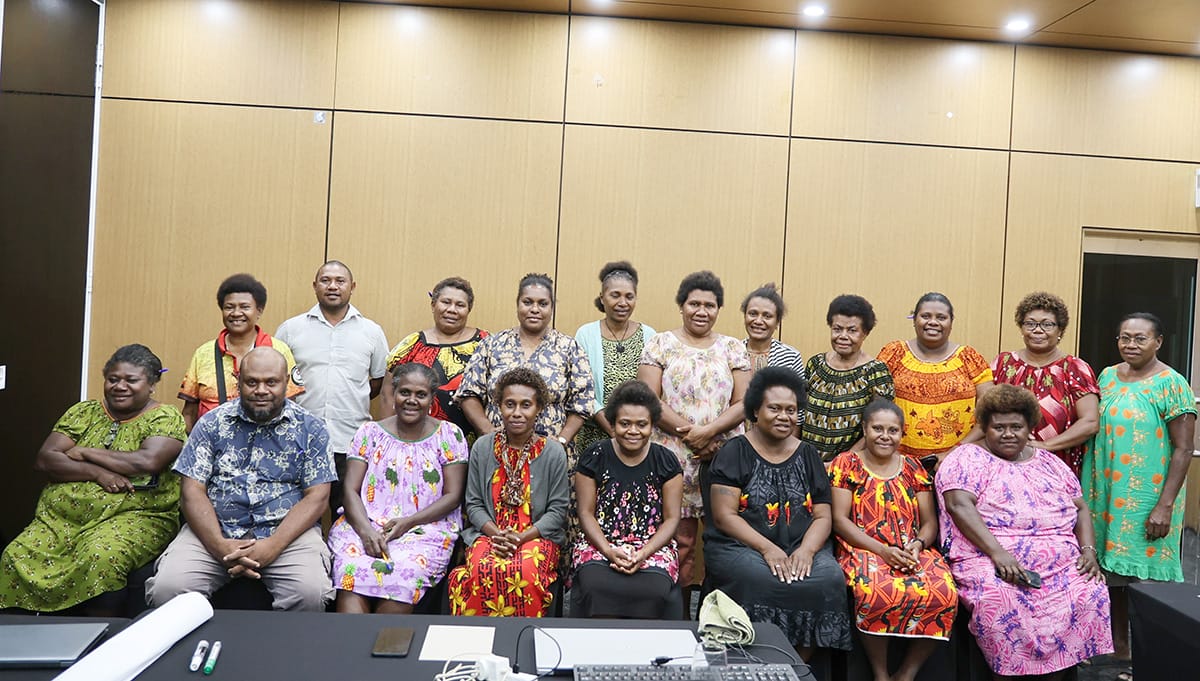
District health workers and officers in charge of health facilities in the East New Britain Province attended an Environment and Social Safeguards (E&S) training, focusing on establishing a Grievance Redress Mechanism (GRM).
The training workshop covered an overview of the GRM, different conflicts and social issues faced by health workers or health facilities, on different ways of seeking redress and solving conflicts, processes involved in handling and resolving conflicts, working with different stakeholders and parties in solving conflicts, and developing action plans to establish complaints mechanism such as installing suggestion, complaints and compliment boxes by which patients or clients may raise issues of concern and their personal observations.
GRMs help healthcare workers communicate and engage with patients effectively, ensuring patients feel understood and cared for.
GRM systems integrate various sources of patient data to provide a comprehensive view of patients’ habits and activities and helps with creating demand for health care services if patients or clients feel they are being heard.
By managing a patient relationship before, during and after treatment, GRM systems play a vital role in patient acquisition and retention.
Participants from East New Britain now join more than 100 other health workers in East Sepik, Central and Chimbu who have attended a similar Social Safeguards and GRM training with some health facilities moving forward in setting up their feedback mechanisms at the health facilities.
The E&S and GRM trainings were conducted by the National Department of Health IMPACT Health Project financed by World Bank as part of the World Bank requirements to establish a feedback system or mechanism for all its projects implementation.
The training conducted by the IMPACT Health Project’s Environment and Social Safeguards Specialist Martha Ginau, raised interest and discussion from participants on various conflicts including potential conflicts and processes in place in dealing with conflicts or complaints.
Setting up processes to be able to address conflicts or grievances is a requirement for all World Bank-funded projects. It is also one of the IMPACT Health Project objectives; to create demand for services and is important in the health care system for patient engagement, in data integration and patient acquisition among others.
The health workers were from both government and church run health facilities in the province with participants keen to share insights into existing systems they use and what processes/services were there to deal with other issues by other stakeholders.