


By GEORGINA MICHAEL
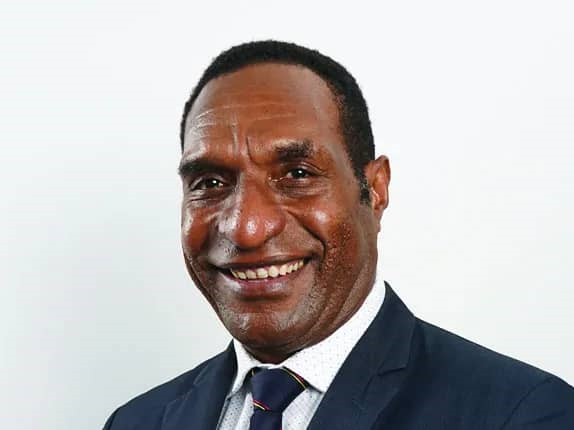
THE Chief Executive Officer of the newly established National Monitoring and Coordination Authority (NMCA), David Wereh, has called for increased private sector investment in the agriculture sector.
He said the National Government could not be expected to fully fund its agricultural policy initiatives and programs.
The former Works and Highways Secretary was speaking at a high-level government roundtable discussion on agriculture, and rural and regional development in Port Moresby yesterday.
“The Government cannot be expected to do everything, it cannot fund for the agriculture sector alone, and so the government must use the money it has to create a conducive environment and trigger the private sector to bring in investment and invest in our government sectors,” Mr. Wereh said during his presentation to the meeting.
“Papua New Guinea is a free-market economy and so the private sector’s involvement in the PNG’s agriculture sector matters. Private sector Investment matters for PNG Agriculture sector in terms of leverage for maximum value-adding.
“The private sector is the main driver of value addition, transforming raw produce into higher value products like processed coffee, chocolate, virgin coconut oil or package fresh produce. Hence value adding creates new local jobs, higher export earnings and more resilient rural incomes.
“And so, by partnering with the private sector, PNG can move from being mainly a bulk exporter of unprocessed commodities to a competitive supplier of high value products in domestic and international markets.”
He said the agriculture sector already had high private sector engagement in oil palm, coffee, cocoa and copra production.
“However, the potential is much greater, which includes vast fertile land, diverse high value crops, growing demand for organic and specialty products, and a large young rural work force,” Mr. Wereh said.
He added that strategic government interventions like the National Agriculture Freight Subsidy, land mobilisation and Connect PNG infrastructure development would de-risk investments and increase private sector funding.
“The key message here is identifying and engaging the private sector is not optional, it is essential to unlock value chains, create local employment, increase rural incomes and meet the ambitious targets of Medium-Term Development Plan IV and National Social Assistance Program (NSAP) 2024-2033. PNG has the land, resource and people, we must mobilize the partnership to realize this potential.
“From 17 September 2025, a new reset must be made in our sector to move the country forward. The world has moved on from agriculture revolution to industrial revolution and now they are in the information revolution, and we are still talking about agriculture and still in stage one. Can we move on? Yes, together we can,” Mr. Wereh concluded. The high-level roundtable discussion aims to be turning point for agriculture sector as PNG celebrates its 50th Independence Anniversary.