


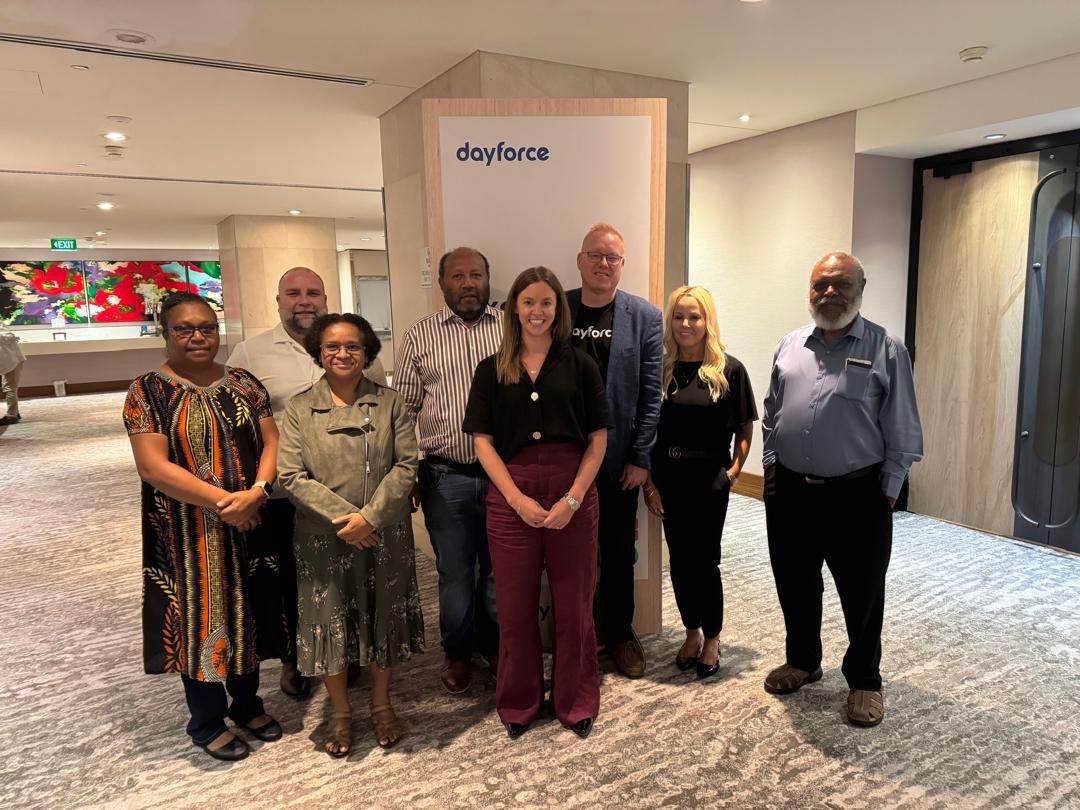
THE Department of Personnel Management (DPM), on behalf of the State, has signed a Master Service Agreement (MSA) with Dayforce for the continued provision of software support, maintenance services, and strategic system partnership arrangements for the Government’s Ascender Pay Integrated HR/Payroll System (IHRPS).
This long-awaited agreement represents a significant milestone in the Government’s Digital HR Transformation Programme, enabling the immediate implementation of critical payroll reforms to strengthen governance, improve operational efficiency, and modernise HR and payroll service delivery across the Papua New Guinea Public Service.
For many years, the Government has sustained payroll operations for more than 140,000 public servants under legacy system arrangements. The formalisation of the MSA removes key constraints that have delayed essential system upgrades and positions DPM to implement critical enhancements, strengthen governance controls, and accelerate automation initiatives to ensure long-term sustainability of the payroll environment.
The MSA signed in Sydney Australia last week (19th May) was attended by senior Government officials and strategic stakeholders, including the Chief Executive Officer of Dayforce Mr. David Ossip. The Government delegation was led by Secretary for DPM, Ms. Taies Sansan, and included the State Solicitor Mr. Daniel Rolpagarea, Director of the Public Service Payroll Office, Ms. Ila Imeldah Kapueina, Strategic HR Advisor Mr. Clant Alok, and Managing Director of Concept PNG, Mr. Brendan Coombs, whose organisation provides critical incountry technical support.
Secretary Sansan described the agreement as a transformational milestone in strengthening payroll governance and enabling reform implementation.
“This agreement is not simply contractual. It is the critical enabler that allows us to move decisively to strengthen governance controls, modernise payroll operations, and deliver long-overdue system improvements across the Public Service.”
DPM will now implement a series of high-priority reforms focused on improving payroll integrity, strengthening system governance, enhancing operational resilience, and improving end-user experience across the Whole-of-Government payroll ecosystem.
The MSA enables the immediate upgrade of the Ascender Pay system from its current legacy Version 12 platform to a fully supported and modernised version.
This upgrade will improve system stability, strengthen security controls, enhance payroll processing capability, and enable modern digital HR functionalities aligned with international standards.
It will also reduce reliance on outdated customisations and legacy workarounds, while improving business continuity and reporting capability across Government.
DPM will prioritise the enforcement of payroll governance and compliance standards to address longstanding system weaknesses. Key measures include Standardisation of system configurations, Strengthened change management and security controls and Alignment with approved payroll product and governance standards.
These reforms will improve accountability, strengthen audit readiness, and enhance transparency, while reducing risks associated with unauthorised system modifications. They will also support the implementation of corrective actions arising from the Deloitte Payroll Audit and other independent reviews.
DPM will accelerate automation initiatives to modernise HR and payroll processes and improve service delivery across Government. This includes Recruitment workflows; Employee leave management; Contract management; Payroll
reporting; Approval processes and Employee self-service platforms.
These initiatives will reduce manual processes, improve turnaround times, and enhance transparency and service efficiency. Improvements to system usability, accessibility, and responsiveness will also be prioritised across national, provincial, and district-level agencies.
DPM acknowledges the support of the Department of Finance, Department of Treasury, Department of Information & Communications Technology, Office of the State Solicitor, Dayforce, Concept PNG, and other stakeholders in the successful finalisation of the MSA.
DPM reaffirms its commitment to implementing payroll reforms in a structured, transparent, and auditable manner. This includes strengthening compliance controls, improving data integrity, and standardising payroll practices to address historical weaknesses within the Government payroll system.
“The Government’s public service wage bill represents one of the largest components of national expenditure and must be managed with the highest level of discipline, transparency, and accountability. This agreement is a deliberate step to strengthen oversight of payroll operations and ensure that public funds are administered with integrity and efficiency,” Secretary Sansan stated.
Secretary Sansan emphasized that through these measures the Government will strengthen oversight, improve audit readiness, and reinforce public confidence, while supporting fiscal discipline and the long-term sustainability of the payroll system.