


Government mobilises K1.165 billion response as Minister Dr Billy Joseph outlines national relief priorities in Parliament
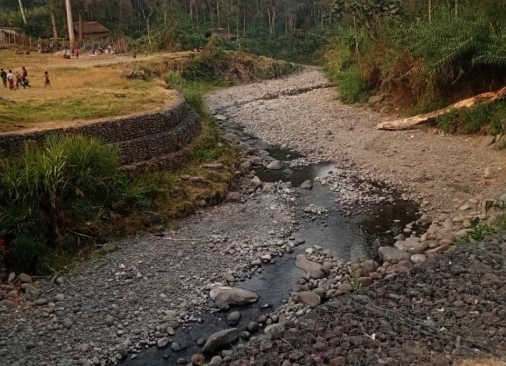
More than 1.8 million Papua New Guineans are living in drought-critical areas across nine provinces as the Government mobilises a K1.165 billion response to address the worsening 2026–2027 El Niño drought.
Minister for Health and National Disaster Services, Hon. Dr Billy Joseph, told Parliament today that the prolonged drought posed serious threats to food and water security, public health, education, livelihoods and essential services throughout the country.
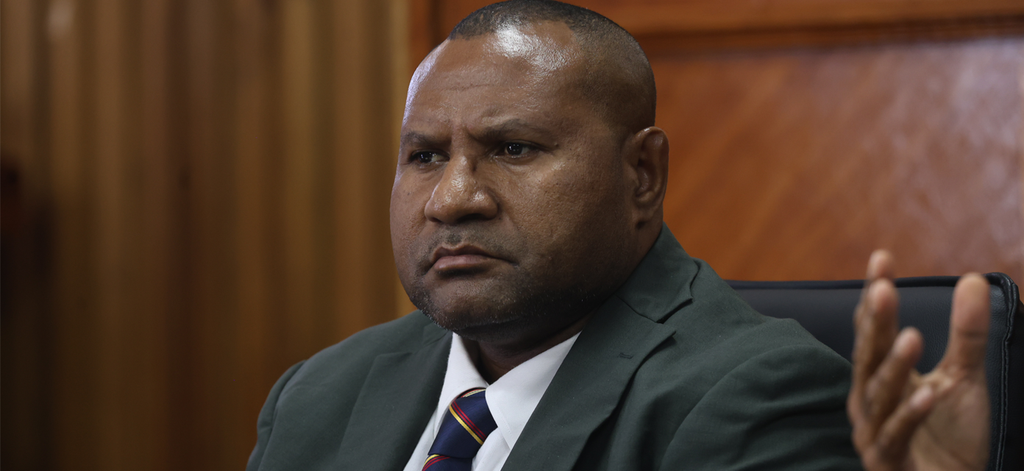
Rather than responding individually to the 27 questions raised by Members of Parliament during the September parliamentary session, Dr Joseph addressed three central issues: governance and coordination, access to public funds, and priorities for drought relief assistance.
He revealed that a national situation report dated October 9 estimated that 1.812 million people were living in drought critical areas across nine provinces.
However, he clarified that the figure did not represent the verified number of people requiring immediate humanitarian assistance, stressing that further assessments were necessary to identify the worst-affected communities.
Dr Joseph announced that the Government had approved K1.165 billion through the Supplementary Budget, comprising K665 million in reallocated funding and K500 million in new funding to strengthen the national drought response.
Of this amount, K304 million has already been released to District Development Authorities and provincial administrations, while a further K2.5 million will be made available to the most affected provinces, subject to verified reports.
The Minister explained that Financial Instruction FI 03/2026, implementing National Executive Council Decision No. 154/2026, authorised the reprioritisation of K10 million from Provincial Services Improvement Program funds in each listed priority province and K5 million from District Services Improvement Program funds in each District Development Authority within those provinces.
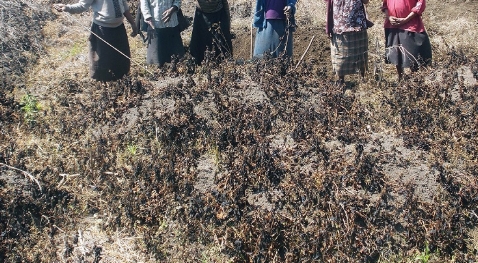
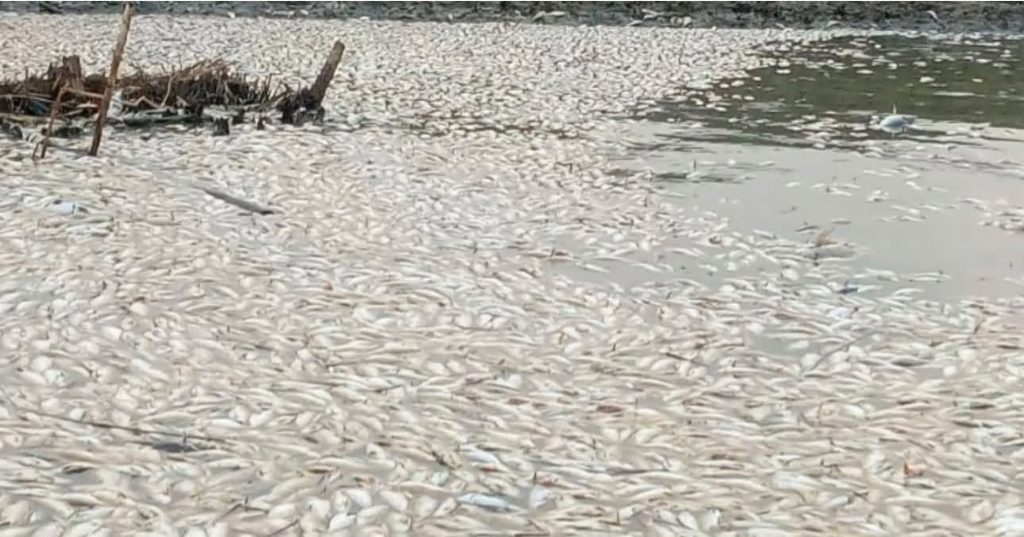
However, he warned that all funding must be used strictly for eligible drought and frost relief activities and comply with established public finance, procurement and accountability requirements.
“Relief must not be allocated on a political basis,” Dr Joseph stressed.
He said provincial and district authorities must submit updated situation reports, properly costed response plans and supporting evidence to justify additional funding.
All expenditure must be properly documented, reported and acquitted to ensure public resources reach affected communities.
Addressing calls for a national State of Emergency, Dr Joseph said the Government recognised the seriousness of the drought but maintained that such a declaration required careful consideration of its constitutional and legal implications.
He explained that the decision remained the prerogative of Prime Minister James Marape and the National Executive Council and would continue to be reviewed as the situation developed.
A State of Emergency would only be considered if existing disaster management laws and arrangements proved inadequate and additional emergency powers became necessary.
In the meantime, the Government would continue operating under the Disaster Management Act 1984, as amended, through the National Disaster Committee, National Disaster Centre and established provincial and district disaster-management structures.
The National Disaster Centre has activated the National Emergency Operations Centre to coordinate disaster assessments, monitor relief operations and identify gaps in assistance.
The National ENSO Taskforce, operating under the Office of the Chief Secretary, is also supporting coordination across government departments and agencies.
Dr Joseph stressed that the immediate priority was to deliver practical assistance to communities facing severe water shortages, food insecurity and disruptions to essential services.
He identified children, elderly people, pregnant and breastfeeding mothers, people living with disabilities, sick patients and isolated rural communities as priority groups requiring urgent attention.
The Government’s response would focus on providing safe drinking water, protecting food supplies, maintaining essential health and education services, supporting agricultural livelihoods and safeguarding critical infrastructure.
The Minister also called on provincial governments, district administrations and local authorities to strengthen their reporting systems to ensure assistance was directed to communities with the greatest needs.
He emphasised that political leaders should assist in identifying vulnerable communities and facilitating access, while authorised agencies must independently assess needs and distribute relief fairly.
The Government would also continue engaging development partners, including the World Bank, for possible additional assistance, subject to financing negotiations and necessary approvals.
“The Government’s response must be urgent, coordinated and accountable,” Dr Joseph told Parliament.
He assured Members that the Government would continue reviewing its response as verified information became available, while ensuring that all public funds were properly accounted for.
With an estimated 1.812 million people living in drought critical areas, the Government now faces the challenge of ensuring that approved funding translates into timely and effective relief for affected communities.
Dr Joseph reaffirmed that protecting lives, restoring essential services and ensuring assistance reaches the most vulnerable Papua New Guineans would remain the Government’s highest priorities.