


By GABRIEL KATUHO
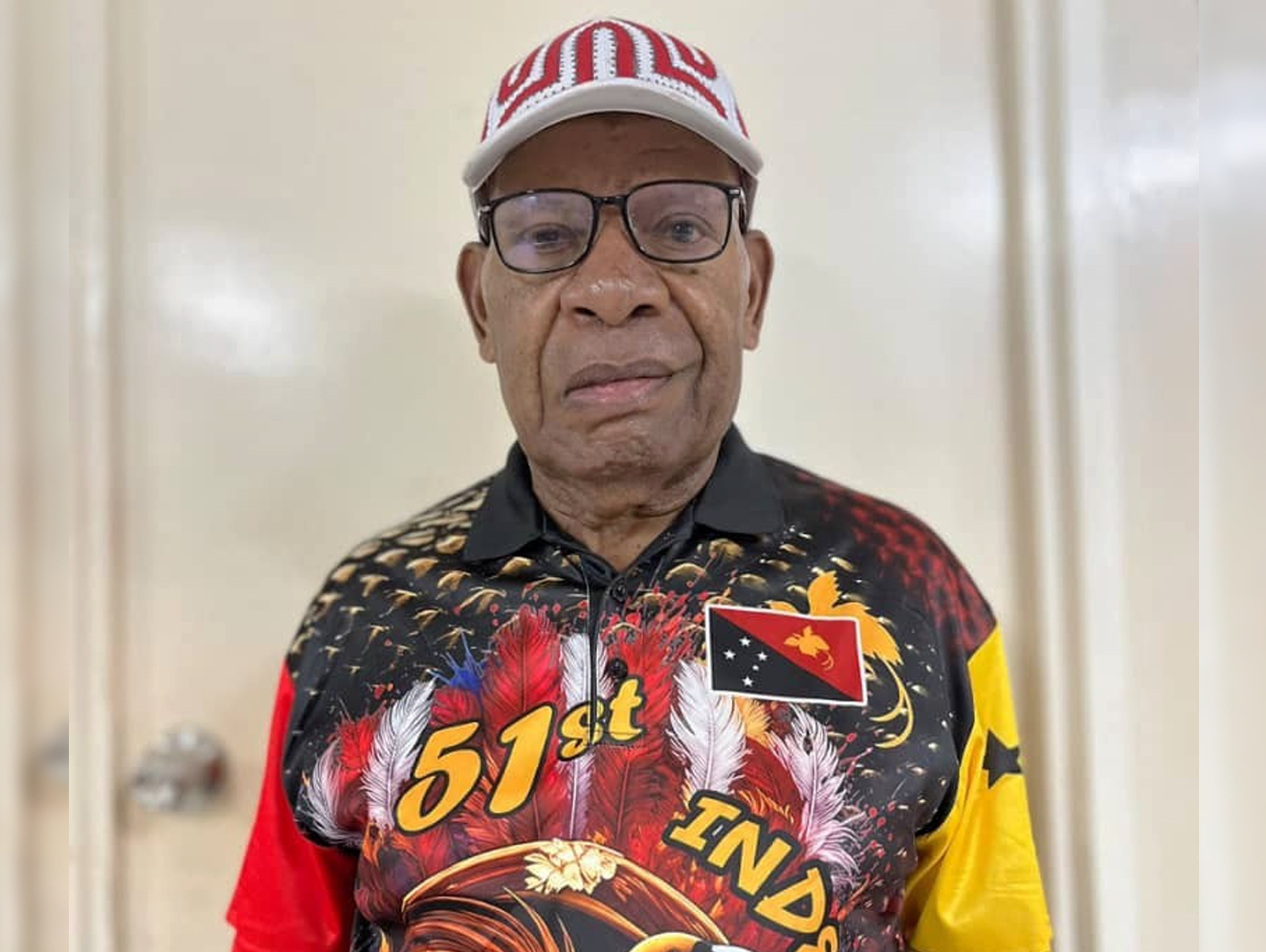
FORMER Air Niugini aircraft engineer and politician Chief Patrick Rama, OBE has reflected on Papua New Guinea’s 51-year journey since independence, drawing on his own experiences of the country’s transition from colonial administration to self-government.
Rama, from Ialibu in Southern Highlands Province, was 23 years old when Papua New Guinea gained independence from Australia on September 16, 1975. Now 74, he looks back on the nation’s development through the experiences of a lifetime of service in aviation, politics and his community.
At the time of independence, Rama was in Lae, studying at what was then Lae Technical College as an aircraft engineering apprentice.
His journey into aviation was unexpected.
After completing Grade 10 at Mendi High School in 1972, Rama was selected to attend the University of Papua New Guinea for the preliminary year in 1973. In 1974 he did his first year studying Agriculture. In 1975 during his first semester break as the second year Agriculture student, he went home and while at home he came across a newspaper article containing an advertisement for aircraft engineering apprenticeships with Air Niugini. Although he had not applied for the position, he travelled to Mt Hagen after hearing that the airline’s recruitment team was conducting interviews there.
When he arrived, he joined other applicants waiting for their interviews.
When the interviewers asked why he had come, Rama confidently explained that although he had not applied, he was interested in becoming an aircraft engineer.
He passed the interview and was selected as one of the successful apprentices.
At the time, the apprentices were sent to Lae Technical College for their training. It was there that the young Rama experienced one of the most significant moments in Papua New Guinea’s history—the country’s independence on September 16, 1975.
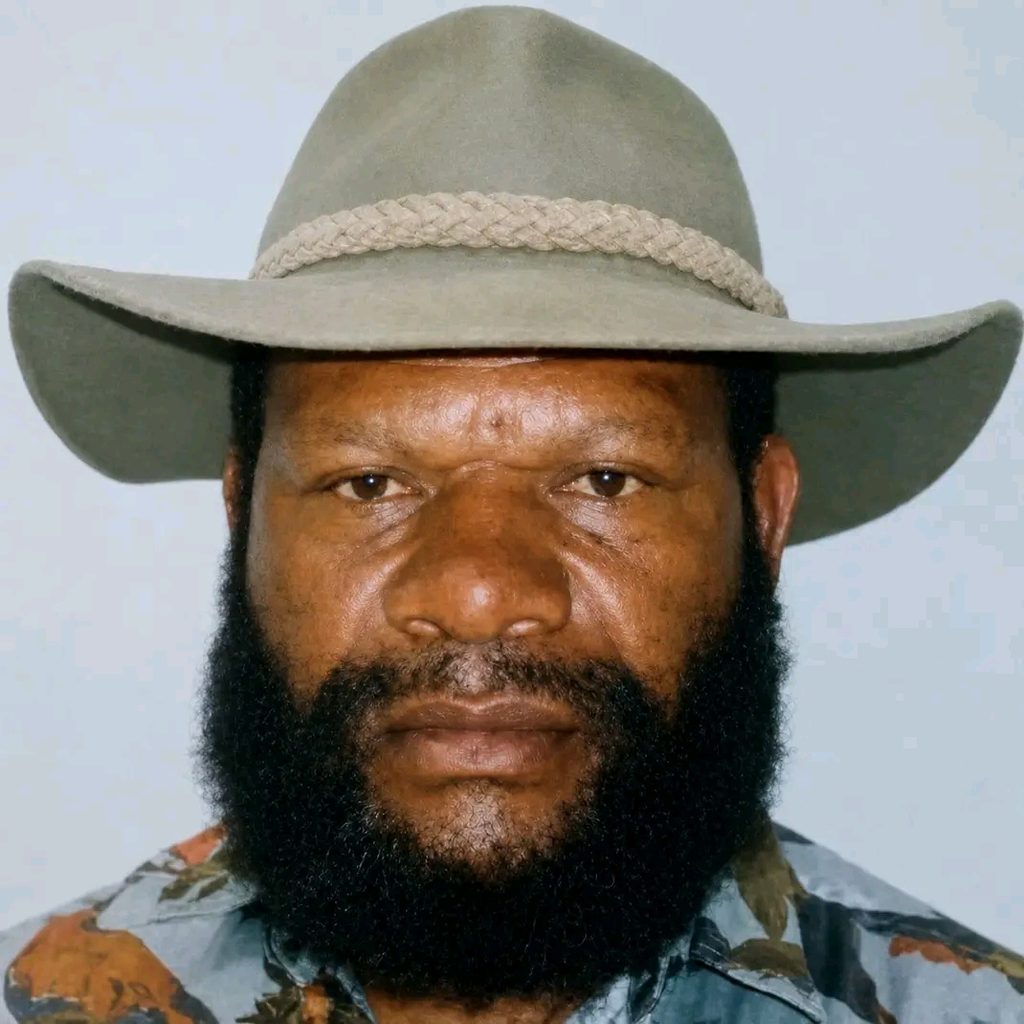
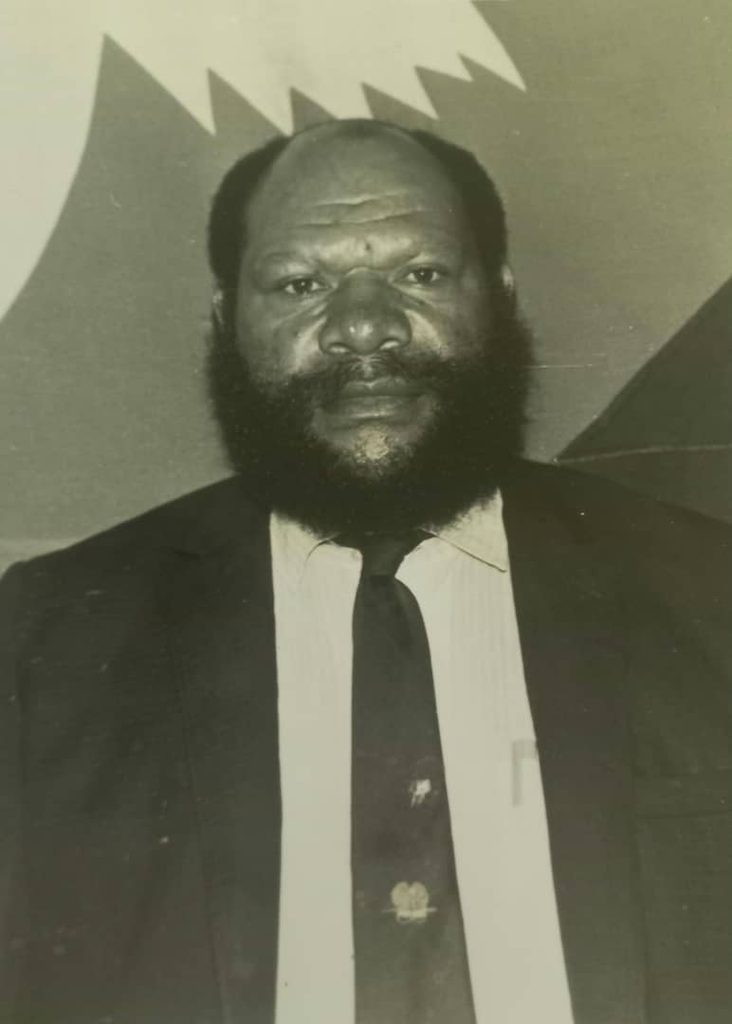
Following his training in Papua New Guinea, Rama continued his apprenticeship with Air Niugini and was selected to study in Japan for three years.
He studied in Japan from 1976 to 1978 before returning to Papua New Guinea in 1979. He later graduated as an aircraft engineer in Port Moresby in 1981.
After completing his studies, Rama worked as an aircraft engineer with Air Niugini for four years before leaving the airline to enter politics.
He contested the Ialibu-Pangia seat in the 1987 national election but was unsuccessful, with Roy Yaki winning the seat.
Rama contested the Southern Highlands Regional seat in 1997 but again lost. In 2002, he returned to contest the Ialibu-Pangia seat, where he was defeated by Peter O’Neill, who went on to replace Roy Yaki as the sitting member.
After three unsuccessful attempts, Rama contested the Southern Highlands provincial election in the Kewabi constituency. This time, he won.
He was appointed Minister for Finance in the Southern Highlands provincial government and served until the provincial government system was abolished.
Following the abolition of the provincial government system, Rama left politics and was appointed the District Administrator for Ialibu Pangia. He then proceeded to be the SHPA Deputy provincial Administrator and there after he retrenched.
He returned home, where he operated a small business and continued to serve as a community leader.
He is now president of the Pangu Party’s Southern Highlands branch.
Rama’s leadership and service to his community have also been recognised through his appointment as an Officer of the Order of the British Empire (OBE), conferred by the Queen through the Governor-General of Papua New Guinea.
Reflecting on the years since independence, Rama said life had changed considerably from the period of colonial administration.
“After independence, life was a little bit different from the time that we were controlled by the colonial administration. However, slowly by slowly, we are improving and we are catching up,” he said.
He said successive governments had a responsibility to work in the interests of the nation.
“Our governments come and go, but whatever they are arguing and debating on the floor of Parliament is for the good of this nation,” he said.
Rama encouraged young Papua New Guineans to take pride in themselves and to look after their country.
“Whatever we are doing in our respective fields, we must do it with the heart of serving,” he said.
He said his generation was gradually approaching the end of its journey and that younger Papua New Guineans would eventually take responsibility for the country’s future.
“Some of us, our age is catching up and soon we will leave
this world. When we do, we will be happy that we once contributed, one way or the other, to the growth of this young nation,” he said.
For Rama, Papua New Guinea’s 51st Independence Anniversary marks the beginning of a new era in which young Papua New Guineans will carry the nation forward over the next 50 years and beyond.
His message to Papua New Guineans is simple: regardless of the sector in which they work, they should serve the country with pride and contribute to building a better nation for future generations.