


By ESWIN PLESIO
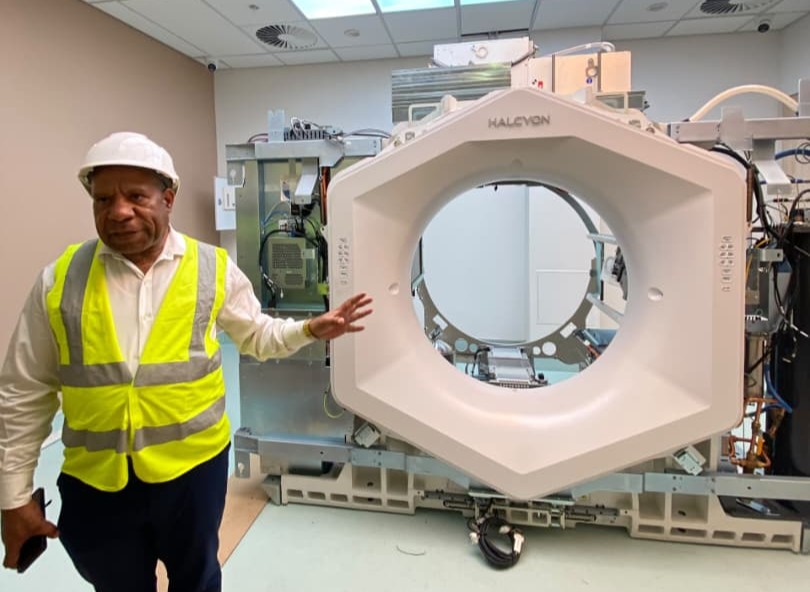
CANCER patients in Papua New Guinea are a step closer to accessing modern radiation treatment locally following the installation of the country’s first Halcyon linear accelerator radiotherapy machine at Port Moresby General Hospital yesterday.
Flowtint Group director Carl Adams said the machine would deliver radiation precisely to cancer cells, reducing damage to surrounding healthy tissue.
“This is the first of its kind in the country,” Adams said, comparing the technology with older cobalt-based radiotherapy equipment used at Angau Memorial Hospital in Lae.
He said the machine would form part of the hospital’s Comprehensive Cancer Centre, which aims to improve access to specialised cancer treatment for patients referred from provincial health authorities.
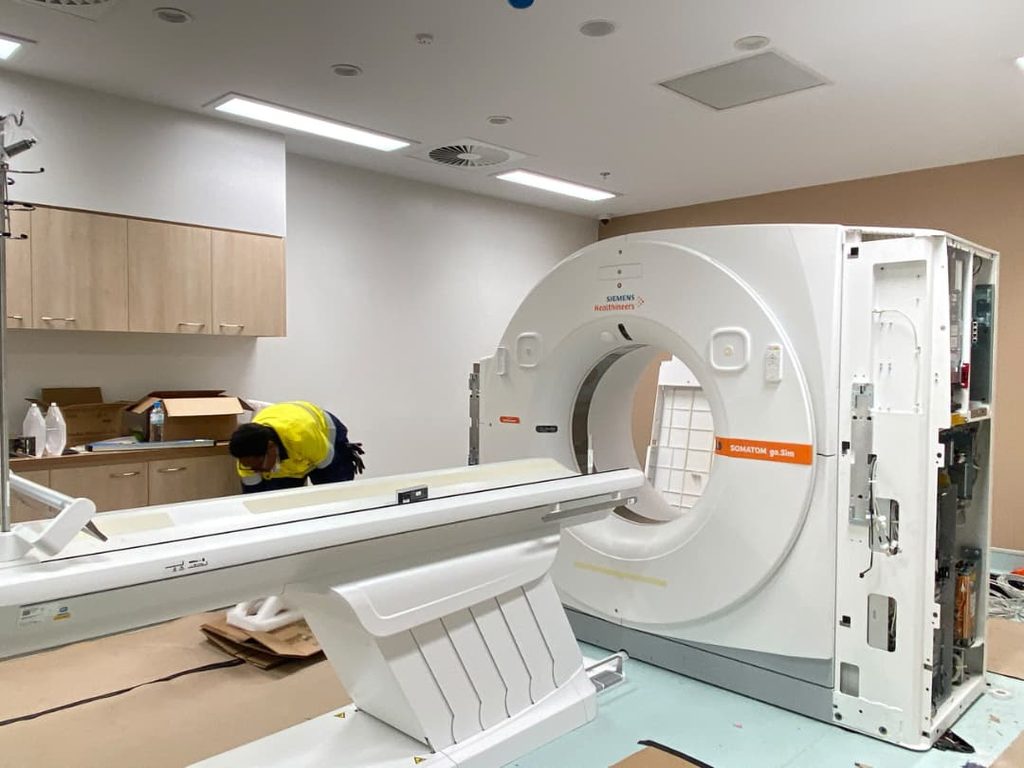
The centre will provide radiotherapy, chemotherapy, brachytherapy for cervical cancer and nuclear medicine services to monitor patients’ responses to treatment.
Adams said the first machine was expected to treat between 30 and 60 patients daily, while a second machine would further increase treatment capacity once funding became available.
The second machine, a Varian TrueBeam system, is planned for installation in 2027, subject to funding.
The entire project is estimated to cost K300 million, with about K170 million spent on completed phases and part of the remaining construction.
“Because of lack of bulk funding, we split the projects into phases,” Adams said.
He said the phased approach would allow essential cancer services to begin while construction continued on the upper floors, with the full comprehensive centre targeted for completion by 2030.
Training for the clinical team is scheduled to begin on October 26, with specialists from Australia expected to assist with commissioning and training local health workers over three to six months.
Adams said patients would first be assessed and prepared through provincial health authorities before being referred to Port Moresby for appropriate treatment.
The centre is expected to strengthen PNG’s cancer treatment capacity and improve access to specialised services for patients nationwide.