


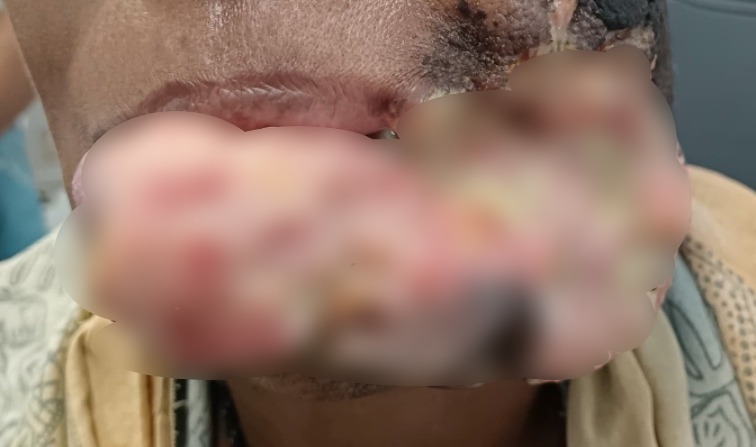
Oral cavity cancer is emerging as a major public health concern in Papua New Guinea, with leading medical specialist Dr. James Naipao warning that the country could face a significant rise in cases over the next two decades if preventative measures and early detection programs are not strengthened.
According to Dr. Naipao, oral cavity cancer is a disease that develops when normal tissue inside the mouth becomes abnormal and cancerous after years of repeated injury and exposure to harmful risk factors.
“Like any other cancer, oral cavity cancer begins in a tissue and progressively spreads to nearby structures and distant parts of the body. The speed and extent of that spread depends on the type of cancer, its aggressiveness, and its ability to invade normal tissues,” Dr. Naipao said.
He explained that while some cancers may be linked to inherited genetic factors, many cases are triggered by environmental and lifestyle influences that gradually damage tissues over time.
“Our bodies are naturally equipped with defence mechanisms, including the immune system and protective genetic factors, that work to prevent cancer. However, when harmful exposures outweigh these natural protections, cancer can develop,” he said.
Dr. Naipao identified betel nut chewing, smoking, alcohol consumption, chronic infections, poor oral hygiene, sharp or damaged teeth, misaligned dentition, obesity, persistent consumption of highly spicy foods, oral sex, and diets high in simple carbohydrates as significant risk factors associated with oral cavity cancer.
“Many of these risk factors may act individually or together over a period of ten years or more before cancer becomes evident,” he noted.
He explained that approximately 95 per cent of oral cavity cancers originate from the oral epithelium , the thin lining that covers the inside of the mouth. The most common form is known as squamous cell carcinoma, an aggressive cancer capable of invading surrounding tissues and spreading rapidly.
“Once squamous cell carcinoma develops, it can invade virtually every tissue type in its path. This is why early detection and treatment are absolutely critical,” Dr. Naipao said.
He further explained that before cancer develops, patients may experience pre-cancerous conditions such as leukoplakia, erythroplakia, fibrosis, persistent ulcers, or abnormal lesions that fail to heal.
“Any sore, ulcer, or abnormal lesion in the mouth that does not heal within two weeks should be assessed by a health professional immediately,” he advised.
Dr. Naipao urged Papua New Guineans not to rely solely on traditional explanations or alternative remedies when symptoms appear.
“Whether it is a glassman, puri-puri man, herbal treatment, or beliefs that one has been cursed, people must seek medical attention first. Early diagnosis saves lives,” he said.
He noted that oral cavity cancer can spread rapidly through the extensive network of blood vessels and lymphatic channels found in the head and neck region. Treatment often requires major surgery, including neck dissection, as well as collaboration between specialist surgeons and radiation oncology teams.
Dr. Naipao expressed particular concern over the increasing popularity and commercialization of betel nut across the country, including growing consumption among children.
“With betel nut becoming a major commercial commodity and children being exposed to risk factors at increasingly younger ages, oral cavity cancer has the potential to become a major public health crisis in Papua New Guinea by 2043,” he warned.
He said the growing prevalence of betel nut chewing throughout the Highlands and other regions, coupled with early exposure among young people, should be a wake-up call for health authorities, policymakers, educators, churches, and communities.
“Preventative measures and early detection must be at the forefront of our response. Public awareness, behavioural change, improved oral hygiene, regular medical check-ups, and early intervention are the most effective weapons we have against this disease,” Dr. Naipao said.
He stressed that prevention remains far more affordable and effective than treatment, which can be costly, lengthy, and emotionally taxing for both patients and their families.
“The solution starts now. If we act today through education, prevention and early diagnosis, we can prevent oral cavity cancer from becoming Papua New Guinea’s next major health crisis,” Dr. Naipao concluded.
With so very few specialists available, prevention remains our most powerful tool.
This is a health issue that is colliding with our cultural beliefs. People are dying from cancer and yet they are blaming it on poison sanguma
Comments are closed.