


BY MIRIAM MALAWA
PAPUA New Guinea, a nation known for its rich cultural heritage and breathtaking landscapes, is unfortunately plagued by a persistent and deeply rooted issue: gender-based violence (GBV) and sorcery-related violence (SARV).
These forms of violence continue to cast dark shadows over the lives of countless individuals – particularly women – and pose a significant challenge to achieving gender equality and social progress. In this feature story, we delve into the alarming prevalence of these acts, the underlying factors contributing to their persistence, and the ongoing efforts to combat them.
Gender-based violence in PNG encompasses a range of abuses, including domestic violence, sexual assault, human trafficking, and forced marriages. Shockingly, statistics reveal that more than two-thirds of women in PNG have experienced some form of violence in their lifetime, with a staggering 80% of women in the Highlands region having suffered from domestic violence. These acts not only inflict physical harm but also leave deep emotional scars, perpetuating cycles of trauma and fear.
Equally disturbing is the persistent practice of sorcery-related violence, where individuals, mostly women, are accused of practicing witchcraft and subsequently subjected to brutal attacks, torture, and even murder. The belief in sorcery remains deeply entrenched in certain communities, fueled by superstitions and misconceptions that lead to devastating consequences for innocent individuals accused of witchcraft.
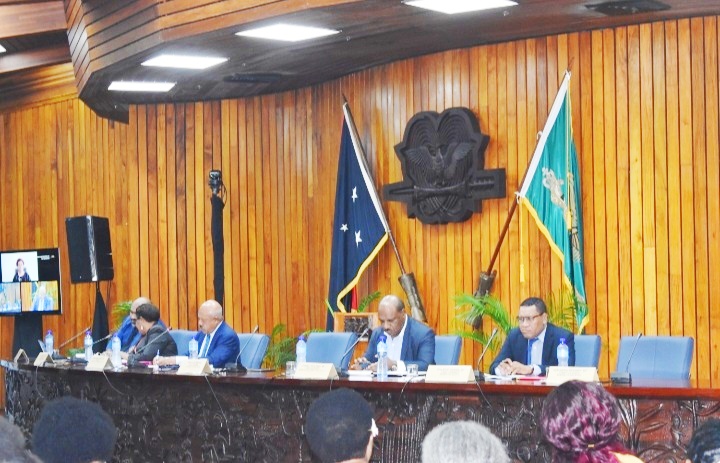
The Parliamentary Committee on Gender Equality and Women Empowerment on Wednesday pointed out some these issues which needed to be addressed. The committee formed to use the powers bestowed upon them to ensure that the Government has proper laws, policies and institutions in place to empower women and ensure that they are safe from GBV.
Various factors were pointed out that contribute to the prevalence of gender-based violence and sorcery-related violence in PNG such as socio-cultural norms and traditional beliefs that perpetuate gender inequality, along with economic hardships, illiteracy, and a lack of access to justice, which create an environment where such violence can flourish. The pervasive nature of these issues deeply undermines the social fabric of communities, stifling development and impeding progress towards gender equality and human rights.
Fortunately, amidst these challenges, individuals and organizations in PNG are rising up to address the crisis head-on. Local NGOs, community leaders, and activists are working tirelessly to raise awareness, provide support services for survivors, and advocate for legal reforms that protect victims and hold perpetrators accountable.
A representative of Tribal Foundation Ms Ruth Kissam said that they have good policies in place to address the issue but have not received funding from the responsible governmental departments. She said the work is very difficult as they are dealing with lives of people and there are several threats associated with it.
She told the committee that there was no funding from the government but were able to function with financial assistance from other donor agencies and their own money.
Professor and president of Divine Ward University Fr Philips Gibbs said that there is a disconnection between community development and Department of Justice that resulted in the funding not reaching the organization.
He said there must be right people with good moral and ethics in the offices to carry out jobs efficiently and effectively.
The government also has played its part in recognizing the urgency of the issue and has taken steps to address gender-based violence and sorcery-related violence. Legislative measures have been introduced, such as the Family Protection Act, which criminalizes domestic violence and provides avenues for legal recourse. Additionally, awareness campaigns and educational initiatives are being conducted to challenge harmful beliefs, promote gender equality, and foster a culture of respect and empathy.
While progress is being made, the road to eliminating gender-based violence and sorcery-related violence in PNG remains long and arduous. Collaborative efforts between government bodies, civil society organizations, and local communities are vital in dismantling the structures that enable and perpetuate these acts. This includes strengthening support services for survivors, enhancing access to justice, and ensuring that cultural practices align with human rights principles.
Furthermore, addressing the underlying socio-economic factors is crucial. Investing in education, empowering women economically, and promoting gender equality at all levels of society will help break the cycles of violence and discrimination.
Therefore, the fight against GBV and SARV in Papua New Guinea requires a multi-faceted approach that involves not only legal reforms but also changes in societal attitudes and beliefs. By shedding light on these shadowy issues and working collectively, PNG can create a future where every individual, regardless of gender, can live free from violence, fear, and discrimination. Only then will the nation truly harness the strength and potential of all its people, creating a brighter and more inclusive tomorrow.