


By DALCY LULUA
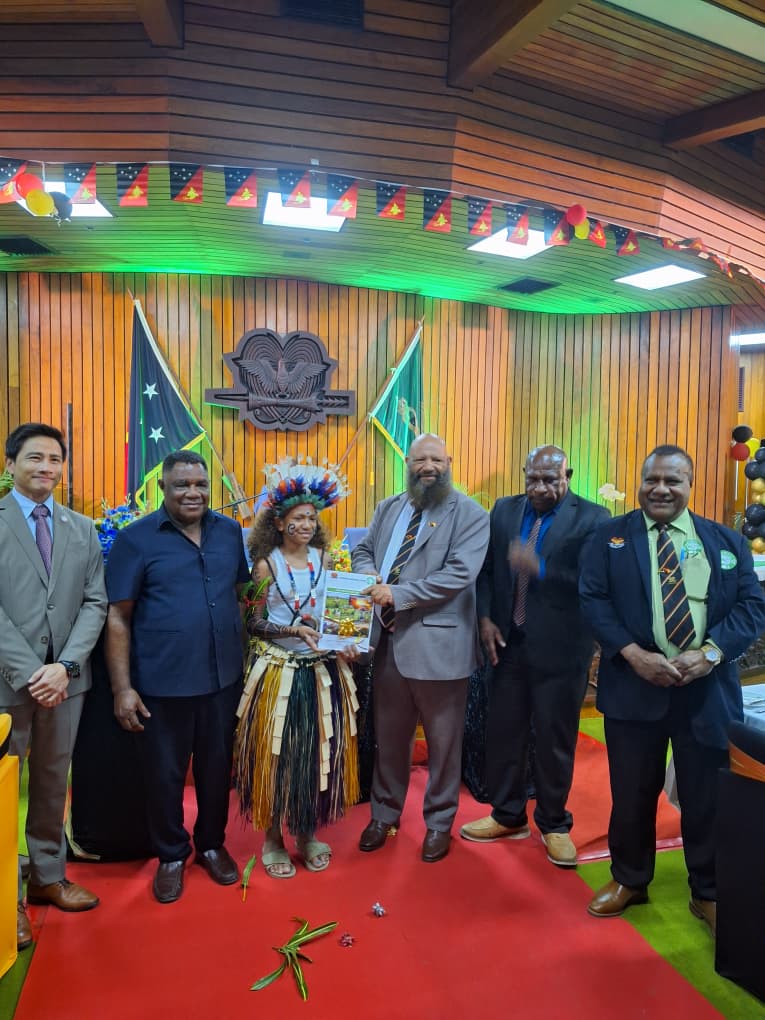
The Department of Agriculture and Livestock (DAL) has launched its Corporate Plan 2024–2028, setting a new strategic direction to transform Papua New Guinea’s agriculture sector through stronger partnerships with the private sector, farmers, and government stakeholders.
The plan, launched in Port Moresby, provides a four-year roadmap aligned with the Medium-Term Development Plan IV (MTDP IV) and the National Agriculture Sector Plan (NASP). It outlines six overarching objectives, 13 corporate objectives, and 61 strategies aimed at driving growth in the sector, improving food security, and strengthening DAL’s role in policy development, coordination, and monitoring.
DAL Secretary Dr. Sergie Beng said the theme of the new plan, “Collaboration for Transformation,” reflects a significant shift in how the department will approach agricultural development.
“For too long, agriculture has been seen as the government’s responsibility alone. That approach has not delivered the results we need. This plan is about collaboration-with the private sector, with farmers, and with other government agencies. Only by working together can we achieve real transformation in this sector,” Dr. Beng said.
He added that DAL’s role would focus on providing the right policy framework, coordinating efforts across agencies, and ensuring accountability through monitoring and evaluation.
“Our job is to set the direction and track progress. But the real drivers of change will be our farmers and agribusinesses on the ground. They need support, markets, and partnerships to grow-and this plan provides the platform for that,” Dr. Beng said.
Agriculture Minister John Boito praised the plan, saying it gives the government and sector stakeholders a clear pathway for revitalizing agriculture.
“Agriculture must return to the center of our economy. It is about food security, jobs, and sustainable rural livelihoods. This plan sets the course for the sector to contribute more meaningfully to GDP and national development,” Minister Boito said.
Minister for Livestock Sekie Agisa said livestock production would be a key priority under the plan.
“We want to move from subsistence to commercial farming. That transformation requires strong policy support, private-sector investment, and farmer participation,” he said.
Minister for Oil Palm Francis Maneke assured DAL of his department’s full support and pledged to work closely with them to implement the plan.
“Oil palm is one of our most important cash crops and a major contributor to the economy. We will work hand in hand with DAL to ensure this corporate plan is delivered, and I congratulate the department for successfully launching this important document,” Minister Maneke said.
Acknowledging the effort behind the plan’s development, Dr Beng commended DAL staff, consultants, and advisors.
“This plan is a product of teamwork. Now, the challenge is implementation-and we must deliver for the people of Papua New Guinea,” he said.
The Corporate Plan will be implemented from 2024 to 2028, with regular reviews and reporting to measure progress against key results.
The launch was attended by senior government officials, stakeholders, and staff of the Department of Agriculture and Livestock.