


PAPUA New Guinea has reached a key milestone in advancing disability rights with the validation of its Draft State Report on the Convention on the Rights of Persons with Disabilities (CRPD).
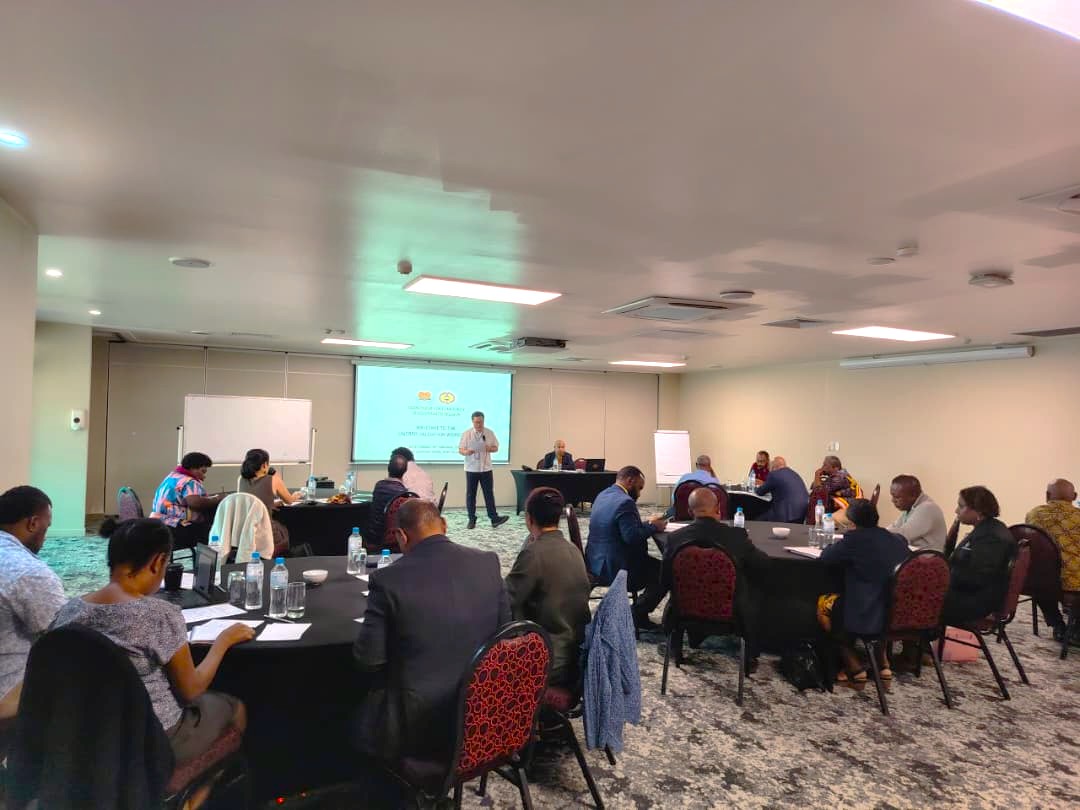
The draft report was validated last week during a workshop held at the Gateway Hotel, marking the final stage before its submission to the UN Committee on the Rights of Persons with Disabilities.
Papua New Guinea ratified the UN Convention on the Rights of Persons with Disabilities in September 2013. Since then, extensive national, regional and Bougainville consultations, together with a series of drafting workshops, have informed the development of a consolidated Draft State Report in line with international reporting guidelines.
The validation workshop aimed to ensure the report accurately reflects government actions, stakeholder contributions and the lived experiences of persons with disabilities across the country.
Speaking at the workshop, Deputy Secretary Jack Simbou welcomed participants on behalf of the Secretary for the Department for Community Development and Religion, Jerry Ubase.
“Your participation today reflects our shared national commitment to promoting and protecting the rights of persons with disabilities,” Mr Simbou said. “I encourage you all to engage openly and provide constructive and honest feedback on both our achievements and challenges.”
He emphasised that disability inclusion requires a whole-of-government and whole-of-society approach. “Disability inclusion is not the responsibility of one department alone. It involves all sectors and agencies, as well as society as a whole,” he said.
Mr Simbou said the expected outcomes of the workshop included a validated and agreed CRPD State Report, clear amendments and refinements, and a defined pathway towards final endorsement and submission to the United Nations.
During the workshop, participants also shared updates on the status of CRPD implementation in PNG, highlighting progress made, challenges encountered and gaps that still require attention.
Participants included officers from the Department for Community Development and Religion as the lead coordinating agency, members of the Technical Working Group, Organisations of Persons with Disabilities, civil society organisations and development partners.