


THE International Food Policy Research Institute (IFPRI) has formally opened its Papua New Guinea office, marking a significant step in strengthening the use of research and data to inform national development and agricultural policy.
The office has been established under the Papua New Guinea Agriculture, Food and Nutrition Policy Support Program (PNG AFNP), with support from the Australian Government and in close partnership with the Government of Papua New Guinea.
Through the PNG AFNP, IFPRI will support Papua New Guinea’s strategy for economic growth and transformation by delivering data-driven policy analysis, strengthening local research and analytical capacity, and fostering partnerships that promote evidence-based policy dialogue across government and development stakeholders.
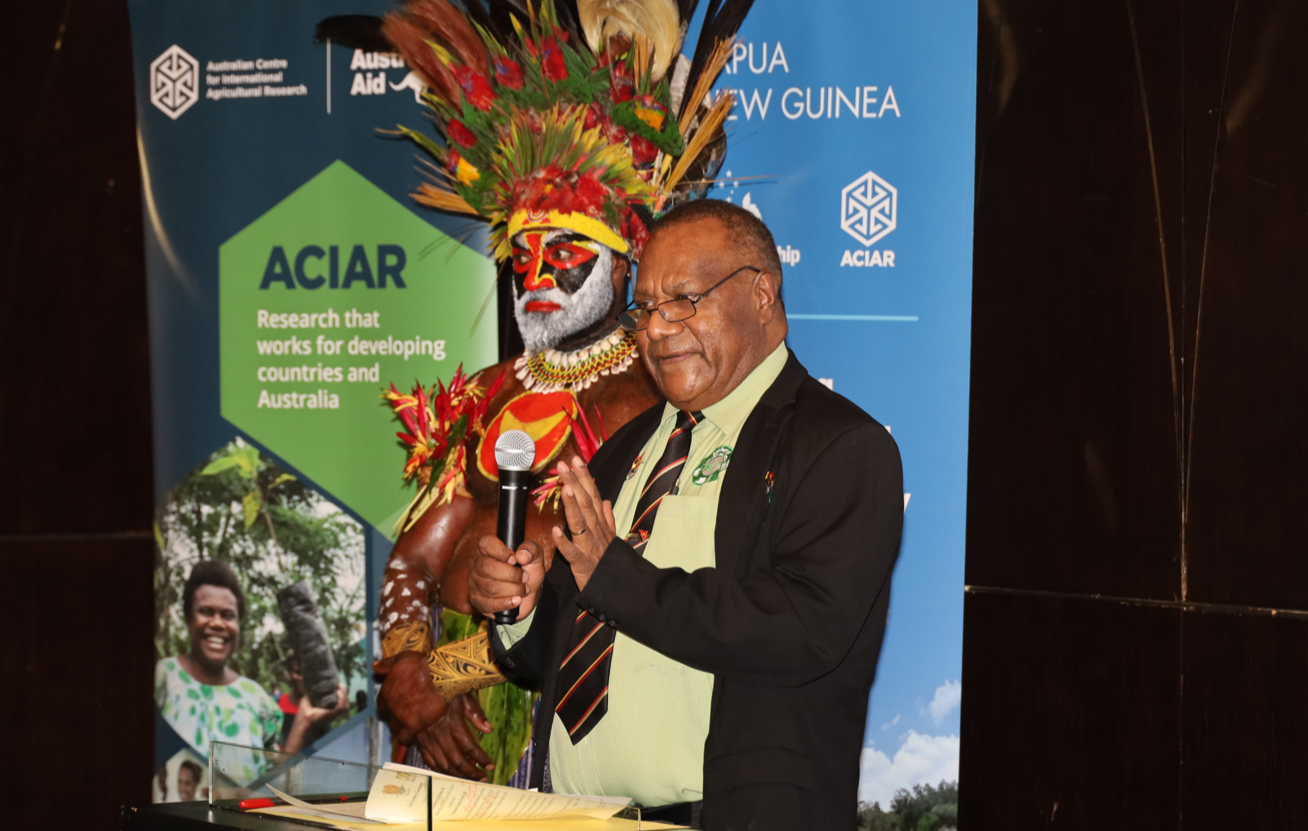
The two-day launch event began with the official inauguration of the IFPRI PNG office, followed by initial research presentations. Senior government officials, development partners, and researchers gathered to discuss new evidence on economic resilience, agricultural productivity, and household wellbeing—key issues shaping PNG’s development priorities.
Keynote addresses were delivered by Mr. Sergie Bang, Secretary of the Department of Agriculture and Livestock, and Mr. Michael Kumung, Deputy Secretary of the Department of National Planning and Monitoring. Representatives from the Australian High Commission and the Australian Centre for International Agricultural Research (ACIAR) also participated in the event.
Speakers highlighted the importance of strong research institutions and reliable data in shaping effective policies, particularly in agriculture, food security, and nutrition—sectors that underpin livelihoods for the majority of Papua New Guineans.
The establishment of IFPRI’s presence in PNG reinforces Australia’s long-term commitment to supporting evidence-based policymaking, agricultural transformation, and inclusive economic growth. It also reflects a shared dedication among partners to elevating the role of research and data in guiding national development priorities and improving outcomes for households and communities across the country.