


By WASITA ROYAL
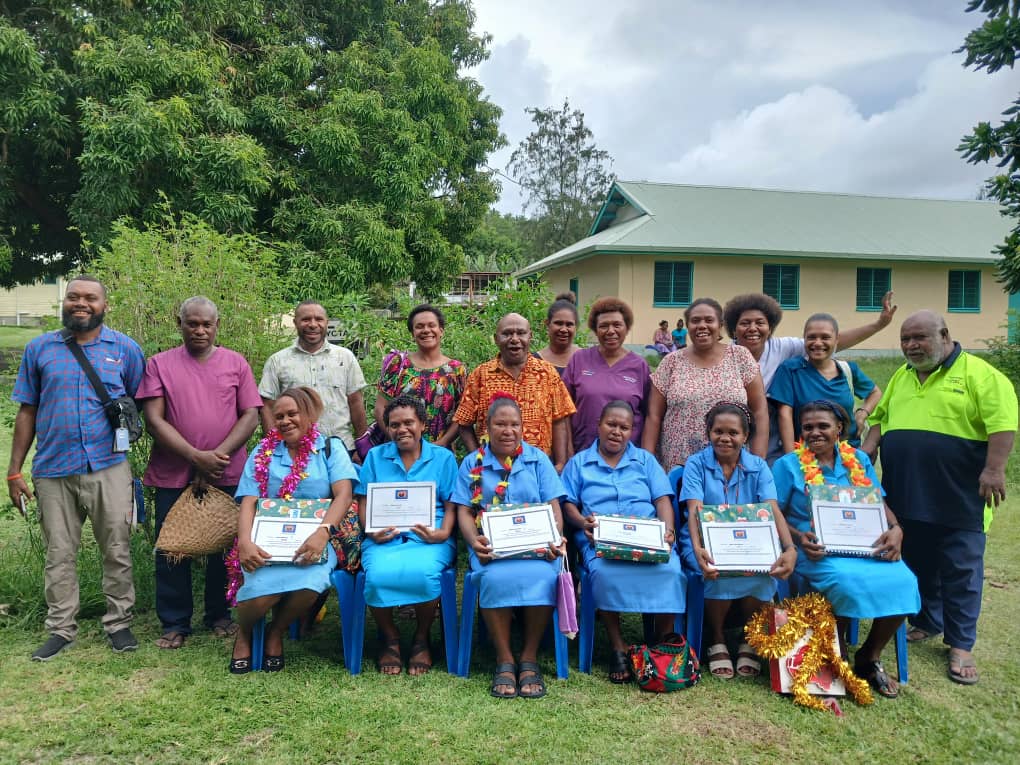
In a landmark initiative to combat maternal mortality in remote areas, six Community Health Workers (CHWs) from rural East New Britain have successfully completed a six-month specialized training program in Advanced Maternity Care at the Rabaul Provincial Hospital.
This pioneering program is the first of its kind in the province which is aimed at drastically reducing the preventable deaths by equipping frontline health workers with the skills to manage obstetric emergencies. The graduates are now set to return to their health centers, which were specifically identified as high-risk areas for maternal deaths and complications.
The advanced training empowers CHWs to detect life-threatening danger signs early, perform emergency interventions, and provide skilled birth preparedness, effectively bridging the critical gap between remote communities and formal hospital care. The ultimate goal is to reduce maternal mortality rates in these underserved areas by up to 61 percent.
The six graduates are: Anthonia Itoval (Tapo Health Centre, Kokopo District); Joan Pigiram (Gaulim Health Centre); Jeslyn Pulao (Lassul Health Centre, Gazelle District); Betty Kapispau (Auna Health Centre); Rosalyn Sola (Muela Health Centre); and Florence Lonaneso (Marunga Health Centre), with the latter three serving the Pomio District.
The training was delivered through a strategic partnership between the ENB Provincial Health Authority (PHA) and the Mola Foundation. The Foundation provided K100,000 to fund the program, while an additional K29,000 was allocated from the Health Services Improvement Program (HSIP) to cover accommodation costs for the participants.
Dr. Pinip Wapi, Specialist Medical Officer in Obstetrics and Gynaecology (O&G), who coordinated the rigorous training, emphasized its necessity.
“Upskilling CHWs, especially those in rural facilities, is not just an option; it is a must,” Dr. Wapi said. “This training bridges the gap between community-based care and formal health facilities by enabling CHWs to identify danger signs early and provide timely referrals.”
The resounding success of this inaugural cohort has set a powerful precedent.
Health authorities have indicated that this program will serve as a model for future trainings, paving the way for more CHWs across the province to receive these life-saving skills.