


By SEPKOLIN WALNE
THE National Department of Health (NDoH), through the Child Nutrition & Social Protection Project (CNSP), has launched a two-week Training of Trainers (ToT) workshop, which started on March 9th and will run until March 20th.
This initiative, supported by the World Bank, aims to build capacity in key health personnel across Papua New Guinea.
Over the course of two weeks, the workshop will train more than 120 individuals, who will then serve as trainers to support the implementation of the CNSP Project in East New Britain, Simbu, Madang, and Western Province. These trained personnel will play a pivotal role in localizing and promoting the objectives of the CNSP, with the goal of reducing child stunting rates in the country.
The CNSP Project is focused on addressing the high rates of stunting among children in PNG, particularly by targeting the first 1,000 days of a child’s life. The initiative aims to improve nutrition and empower vulnerable households through cash transfers and community-based health interventions.
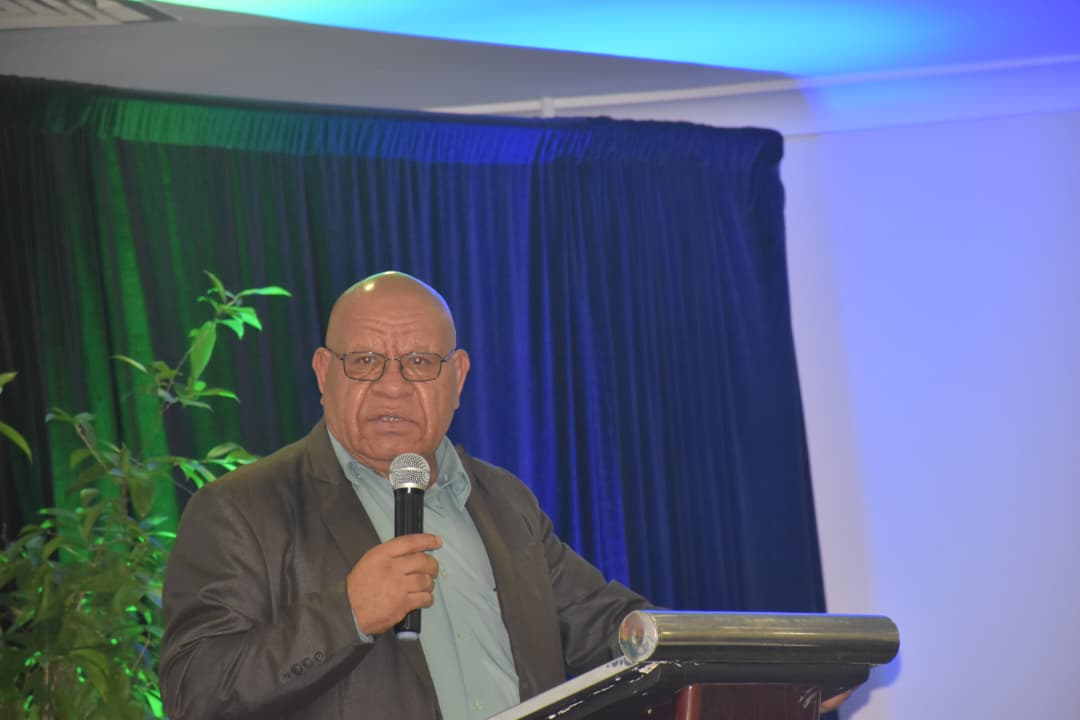
Ken Wai, Deputy Health Secretary, delivered a speech on behalf of the NDoH Secretary Dr Pascoe Kase at the workshop’s opening. He emphasized the importance of early childhood nutrition and its long-term impact on health. “The foundation has to be built when the baby is young, from one month to five or ten years old. To ensure health lasts for 80 years, we must start with healthy food,” he stated.
Mr. Wai further stressed the NDoH’s commitment to fostering a healthier Papua New Guinea. “Our motto is ‘Healthy Papua New Guinea through healthy communities and a healthy mindset,'” he said. “To achieve this, we must lay a solid foundation for children’s health, and nutrition is a crucial part of that.”
The workshop will equip participants with essential skills and knowledge, particularly in adult learning techniques, community health strategies, and practical implementation of health initiatives at the local level.