


An Australian-based healthcare provider has called on the government of Papua New Guinea to urgently address what it describes as a growing national healthcare crisis.
Ceaba Health Service, a Pasifika Healthcare and Wellness Services provider, is calling on Prime Minister James Marape and Health Minister Elias Kapavore to urgently engage in addressing critical shortages of medical supplies and the increasing mental health burden on frontline workers.
The organisation said what initially affected provinces such as New Ireland, Madang and Gulf has now escalated into a nationwide issue requiring coordinated and strategic intervention.
A response plan proposed by the organisation includes the supply of medical consumables, hospital equipment and pharmaceutical products, alongside the rollout of psychological support services for healthcare professionals working under extreme pressure.
Anutucare Limited and Ceaba Health Service also confirmed they partner with established medical equipment production companies in Australia, positioning them to support the timely sourcing and delivery of critical healthcare supplies.
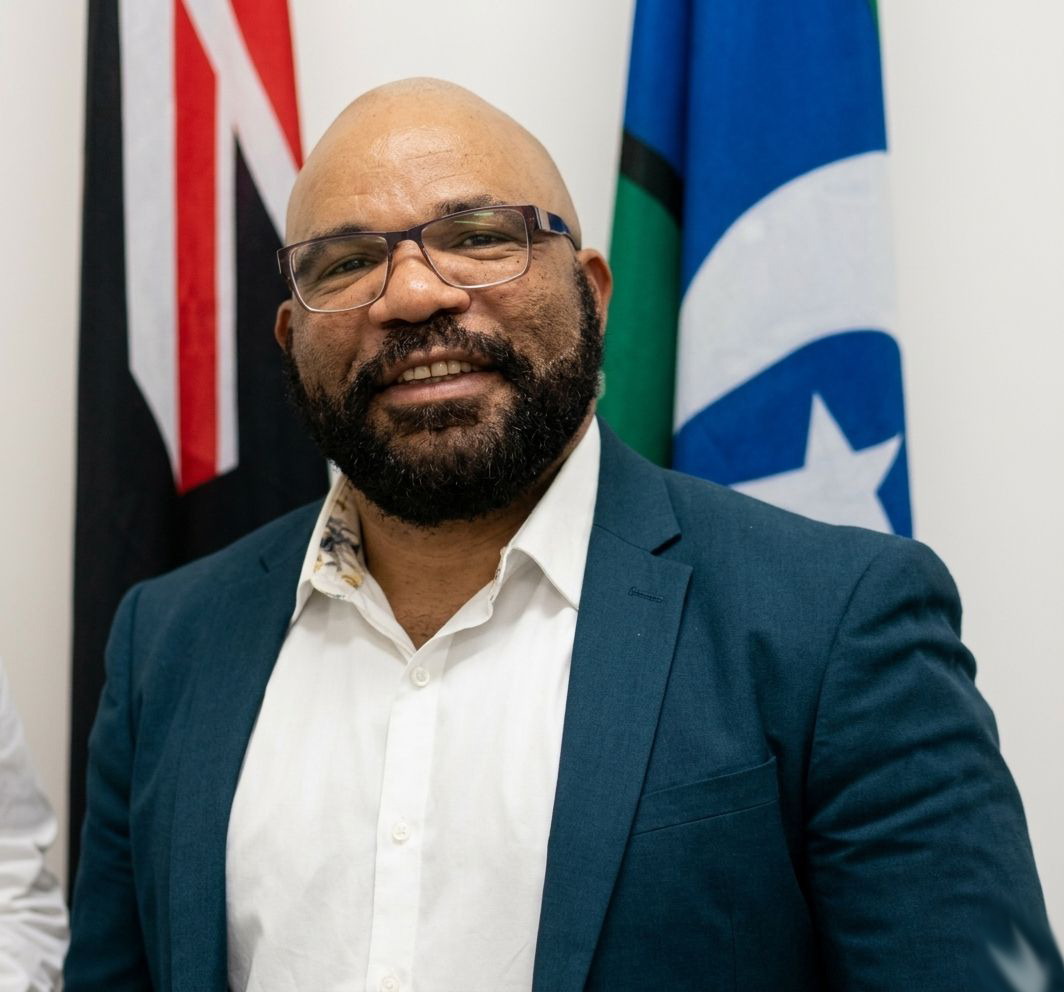
Director and Founder of Anutucare Limited and Ceaba Health Service, Phil Onasu, warned that the situation has reached a critical stage.
“Papua New Guinea’s healthcare system is under immense strain, and our frontline workers are carrying a burden that is no longer sustainable,” he said.
“We cannot treat this as a routine challenge, it is a national emergency. We are ready to support, but we need urgent collaboration with government to deliver critical supplies and protect the mental well-being of our healthcare workers.”
Mr Onasu said psychological support must be treated as an essential component of the response, not an optional service
.
He said Ceaba Health Service is prepared to deploy qualified psychologists, clinical nurses and mental health specialists to support overstretched health workers across the country.
The organisation is also seeking to establish a formal partnership with key government agencies, including the National Department of Health and the Office of the Prime Minister, to strengthen healthcare delivery systems and improve access to essential services.
Ceaba Health Service has stressed that immediate action is required, warning that delays could have serious and far reaching consequences for the country’s healthcare system.