


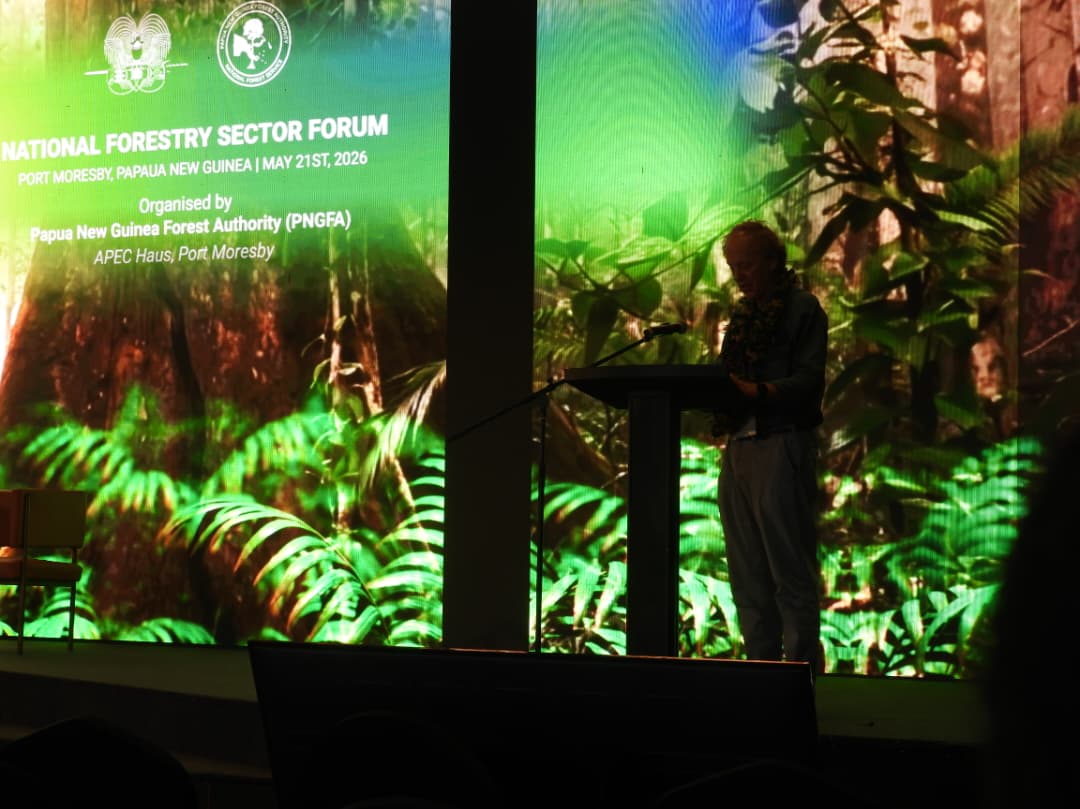
ACTING Managing Director of the Papua New Guinea Forest Authority (PNGFA), John Mosoro, has outlined an ambitious reform agenda yesterday aimed at transforming Papua New Guinea’s forestry sector from a raw log export industry into a modern downstream processing and sustainable forest management economy.
Speaking at the country’s second major forestry forum since the 2019 Forestry Summit, Mosoro said the PNGFA had spent the last three years preparing reforms that would reshape the sector in line with the Marape-Rosso Government’s Vision 2050 and Medium Term Development Plan IV (2023–2027).
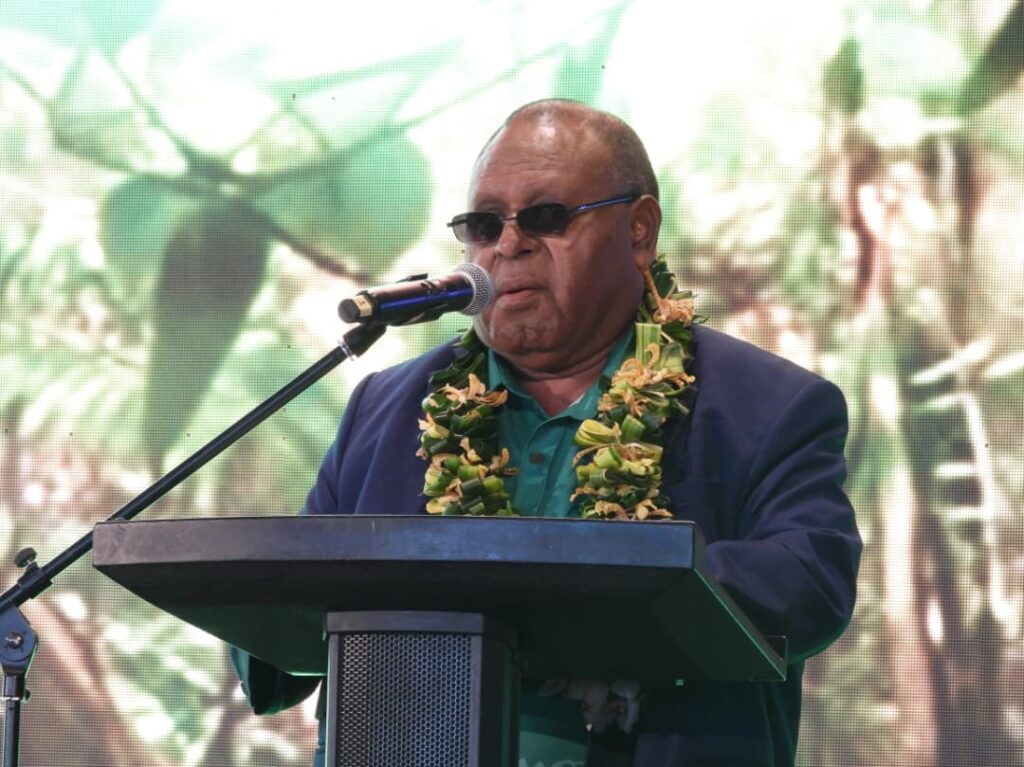
“This forum is important because we want to present to the people of this country what we are planning to do,” Mosoro said.
He said the forestry sector must move away from over 50 years of dependence on round log exports and transition toward downstream timber processing, plantation forestry, carbon trading, and nature-based economic opportunities.
Mosoro revealed that PNGFA is finalizing a major review of the Forestry Act 1991, which he said was outdated and heavily focused on log exports.
The proposed amendments will include provisions covering downstream processing, reforestation and afforestation, REDD+ and carbon financing, stronger monitoring systems, and tougher penalties for illegal activities and non-compliance.
The revised legislation is expected to be tabled in Parliament during the next sitting.
“We are modernizing the law to cover areas that were not adequately addressed under the original act,” Mosoro said.
Mosoro confirmed that the National Executive Council (NEC) recently approved PNGFA’s National Reforestation and Afforestation Program, which is scheduled to be launched this today.
Under the initiative, PNGFA plans to acquire grassland areas through Forest Management Agreements (FMAs) to establish plantation forests for timber processing, pulp and paper production, and carbon trading projects.
He urged customary landowners not to underestimate the value of grassland areas.
“If you have grassland, don’t think your land is less important. Your land is very important now for forestry services,” he said.
Mosoro said the government’s long-term policy direction is to phase out round log exports and increase domestic timber processing.
He revealed that future forestry projects acquired under FMAs would operate under 100 percent downstream processing arrangements.
The acting managing director acknowledged, however, that the transition would need to be carefully managed to avoid negatively affecting government revenue, employment, and landowner benefits.
He noted that the forestry sector had contributed significantly to the country’s economy, including support for government services and rural infrastructure development.
“Forestry has contributed immensely to the budget of this country,” Mosoro said.
According to PNGFA, the forestry sector generated more than K5 billion between 2008 and 2024 through exports, levies, royalties, and taxes.
Mosoro said PNGFA is strengthening monitoring and compliance systems through the use of modern technology and enhanced regulatory mechanisms.
He also confirmed that PNGFA is working closely with financial authorities to strengthen anti-money laundering measures within the forestry sector.
The authority has also engaged international verification company Control Union to independently monitor forestry exports and domestic processing operations following the withdrawal of SGS.
Mosoro announced that PNGFA has established a new state marketing entity called PNG Diwai Limited to support timber marketing, downstream processing, and greater participation by resource owners.
Plans are also underway to establish industrial parks in different regions of the country to support timber manufacturing and processing industries.
Mosoro acknowledged support from development partners including the European Union, FAO, UNDP, the European Forest Institute, and other international agencies assisting PNGFA with forest governance, climate change programs, legality standards, and reforestation initiatives.
He said PNGFA is also undertaking forestry economic modelling to determine the true value of PNG’s forest resources and assess opportunities in carbon trading and sustainable development.
The forestry forum is expected to contribute toward a national transition blueprint that will guide PNG’s forestry sector into a more sustainable and value-added industry over the next decade.