


By GINNAH MINI
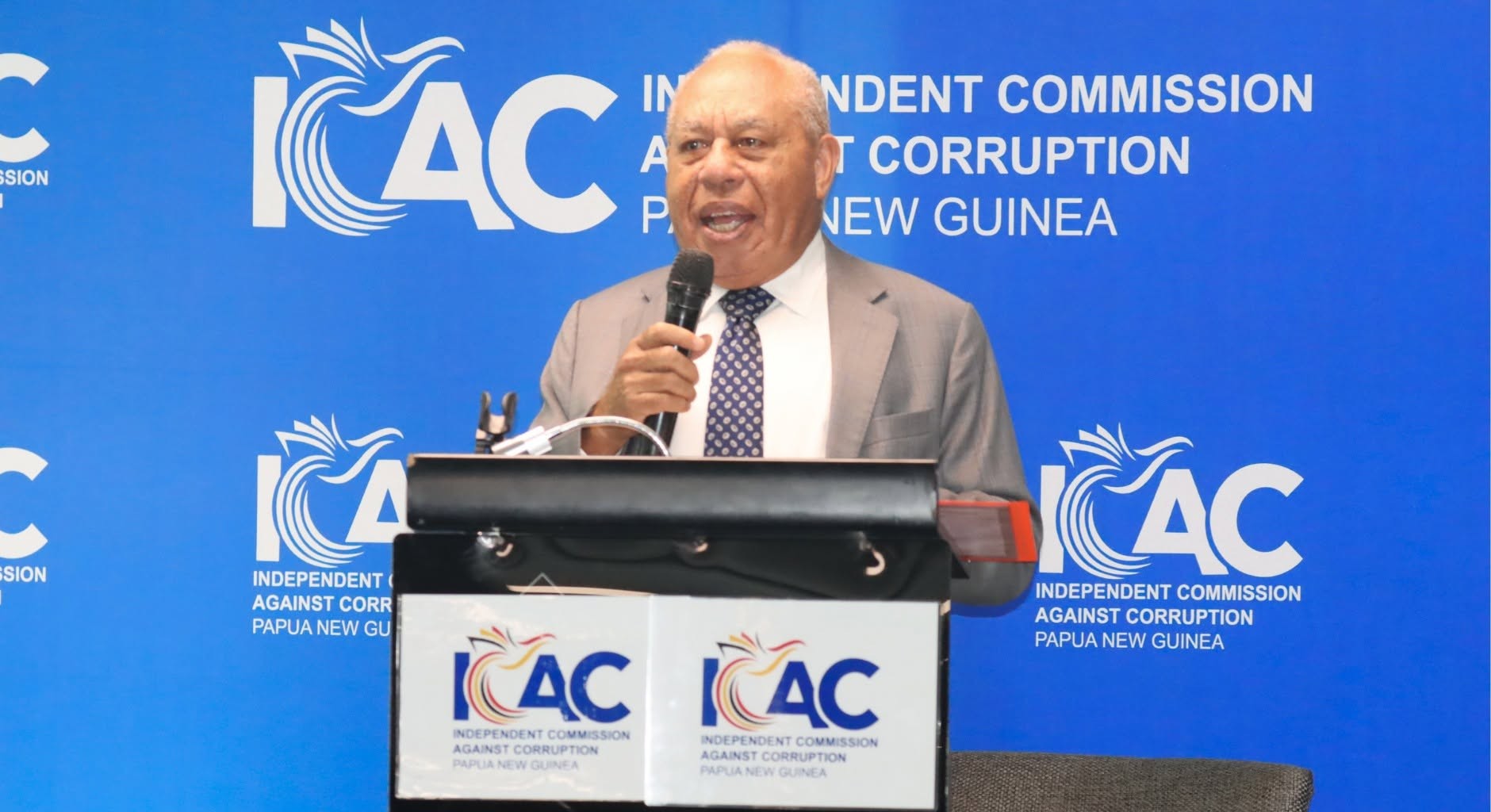
THE Independent Commission Against Corruption (ICAC) Acting Commissioner, Don Sawong, has noted that provincial and district administrations face significant corruption risks-as they manage significant public resources and are responsible for delivering services that directly affect communities.
Mr. Sawong noted that corruption risks in provinces and districts can arise in procurement, recruitment, project implementation, financial management, grants, contracting and the management of public assets.
Mr. Sawong said that District Service Improvement Program (DSIP) and Provincial Service Improvement Program (PSIP) resources require particularly strong controls and oversight.
He urged the public officials to understand their personal legal responsibility and said that the authority that comes with their office should be exercised within the law.
“Let me remind you that provincial and district administrations are at the frontline of government service delivery,” Mr. Sawong said.
“Every decision you make has consequences, every kina you manage is public money and represents a public expectation, every contract you approve carries a responsibility, and every service you deliver either strengthens or weakens the confidence that our people have in government.”
Mr. Sawong encouraged the Southern Region public officials to make integrity visible in the way they lead, make decision and the way they manage public resources.
He urged them to work with ICAC to prevent problems through using the three pillars of the Commission:
●Prevent corruption by strengthening their systems
●Educate and build awareness so their people understand their responsibilities.
●And when allegations of corrupt conduct arise, cooperate with the appropriate operational processes.
The Acting Commissioner reiterated that ICAC stands ready to work with the public officials-not as an oversight institution, but as a partner in building stronger systems, stronger leadership and a public service that earns and observes the trust of the people.