


By GABRIEL KATUHO
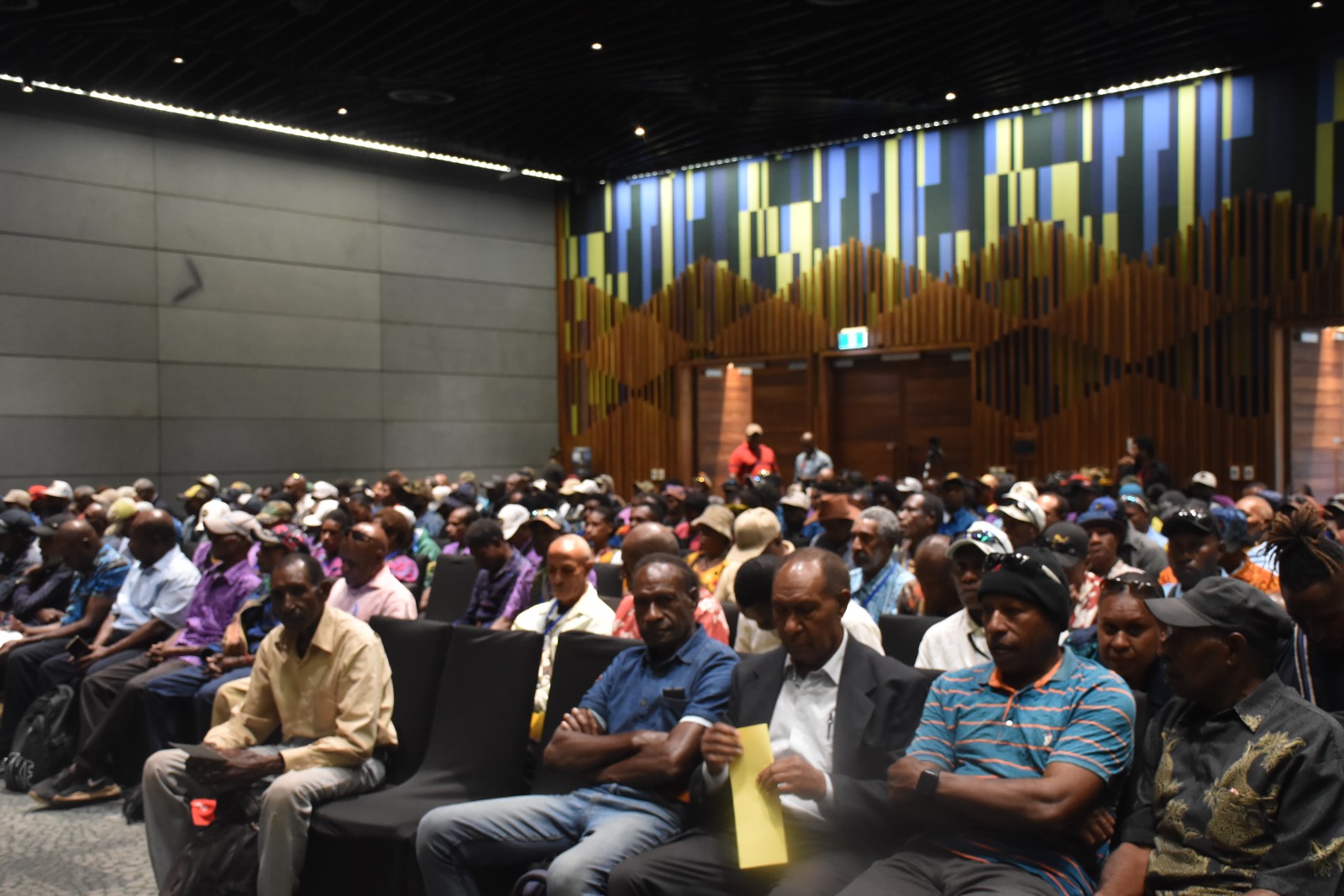
The project beneficiaries and affected landowners from the Gulf and Central provinces gathered yesterday in Port Moresby to discuss benefit-sharing issues surrounding the Papua LNG project.
The one-day Papua LNG Development Forum brought together landowners form different clan groups, ward councilors from respective LLGs and council presidents in Gulf province who aired their concerns on the benefits sharing negotiations.
As required under the Oil and Gas Act, the development forum was hosted by the National Petroleum Authority to bring together the state, the affected area landowners and local governments to agree on benefit sharing agreements prior to the award of licenses.
According to the concerns raised in the Development Forum, the SMLI studies for the Papua LNG project carried out between July and September of 2022 by NPA and amended in 2025 never captured several landowners, resulting in disunity among the people in Gulf province. This has also raised security concerns for the developer as the land owners of the affected areas said if they were not included in the benefit sharing agreement, they would not allow the exploration to start.
The Minister for Provincial, Local Level Government Affairs, and Member of Parliament for Kikori, Hon. Soroi Eoe while addressing the landowners said everyone will not be left out.
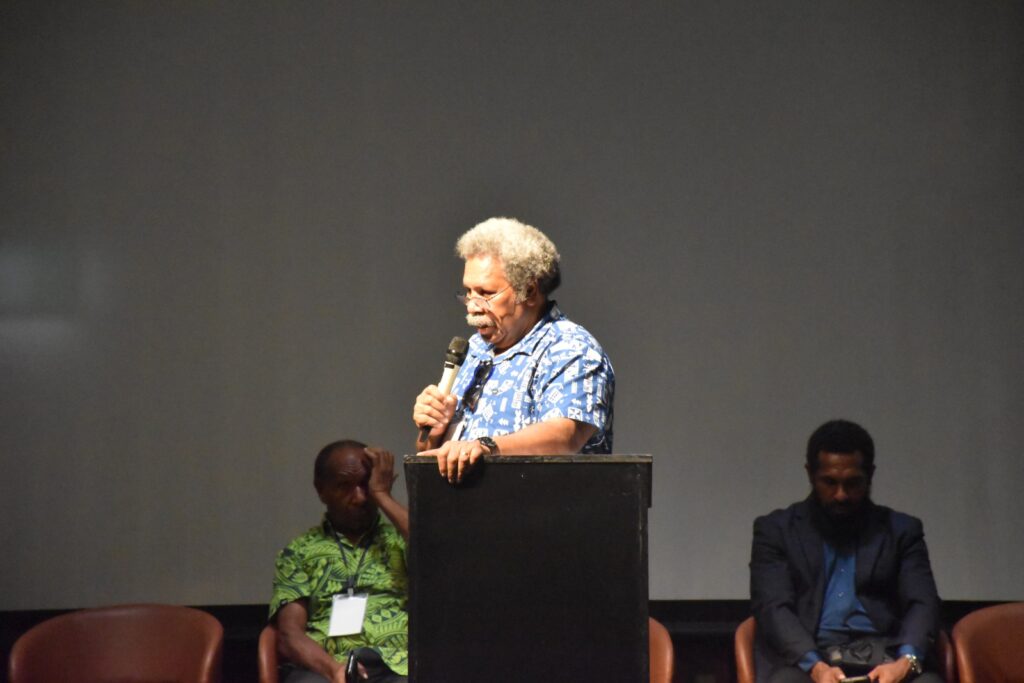
Minister Eoe said several amendment will be made to include those affected area landowners in the Ministerial Determination- document which captures the genuine land owners and the type of benefits they get.
The main Ministerial Determination was gazette in December of 2023; however, with the growing concerns of inclusiveness, Minister Eoe has assured the landowners that amendments could be made to include those that have been missed out.
According to defundtotalenergies.org, the Papua LNG is divided between Total Energies (37.55% stake), ExxonMobil (37.04%), Santos (22.83%) and JX Nippon (2.58).
The project comprises nine (9) production wells in the Gulf province, a 320 kilometer onshore and offshore pipeline, and four (4) electric liquefaction trains.
The project is estimated to cost $10 to $19 billion and is supported by the Japanese bank MUFG to ensure the project is operational.