


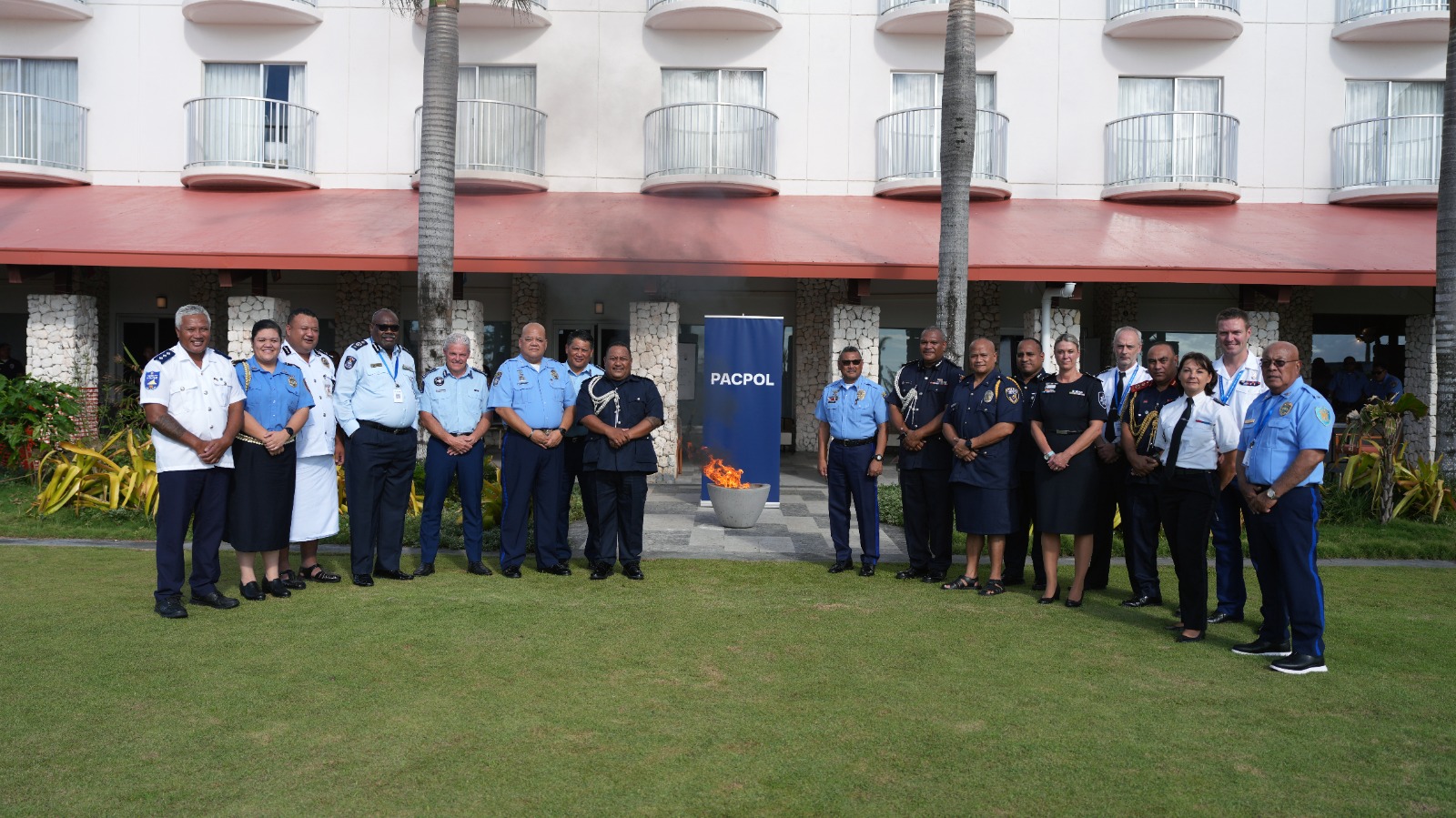
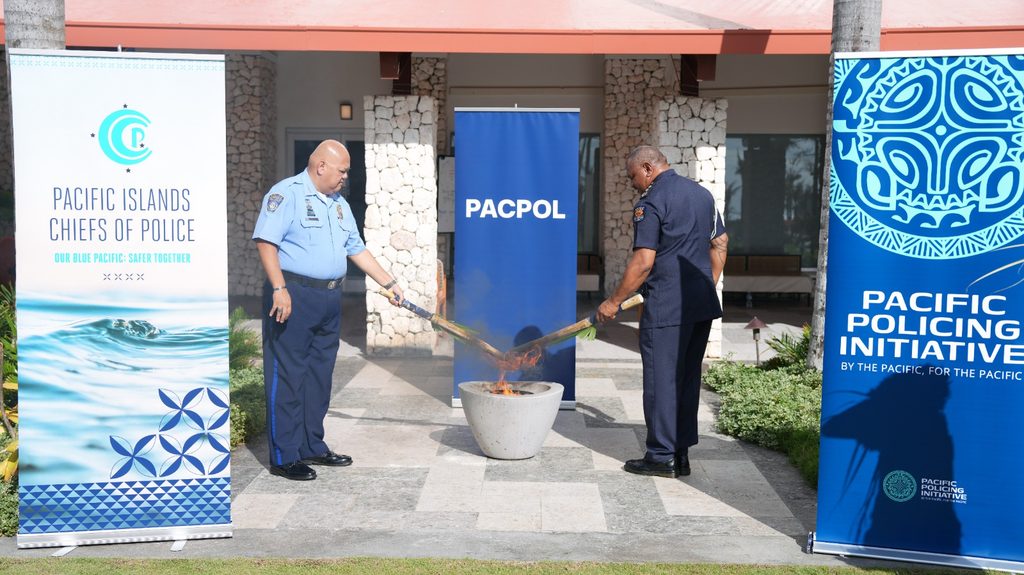
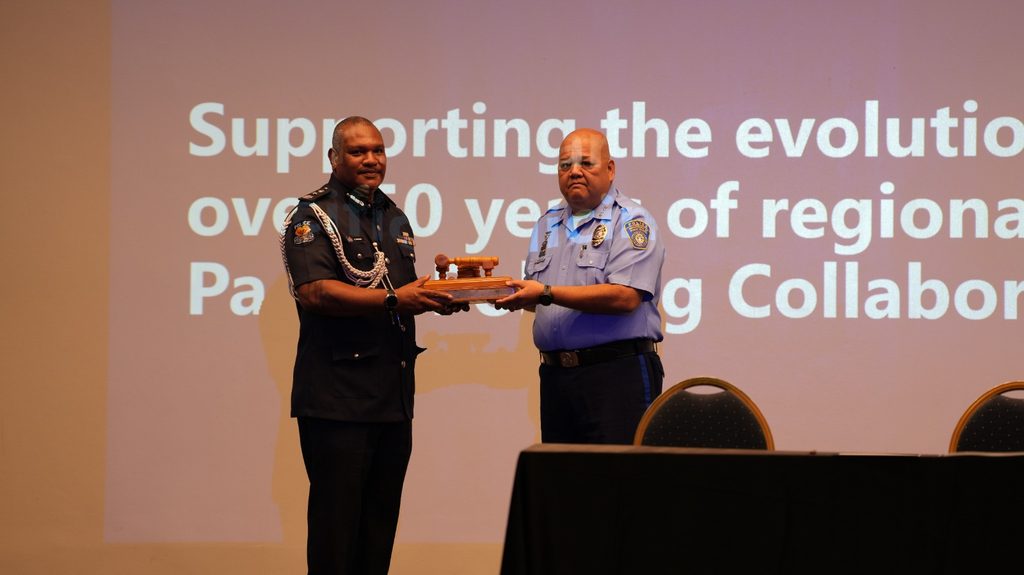
Papua New Guinea Police Commissioner David Manning has been unanimously elected inaugural Chairman of the Pacific Community of Policing (PACPOL), placing PNG at the forefront of regional efforts to combat transnational organised crime.
Commissioner Manning was elected by Police Commissioners from 23 Pacific nations, marking a significant milestone in strengthening regional policing cooperation and collective security across the Pacific.
The establishment of PACPOL signals a renewed commitment by Pacific Police Chiefs to tackle the growing threats of illicit drugs, firearms trafficking, human smuggling, cyber-enabled fraud and other cross-border criminal activities.
Speaking following his election, Commissioner Manning said he accepted the responsibility with humility and determination to translate Pacific solidarity into stronger operational outcomes.
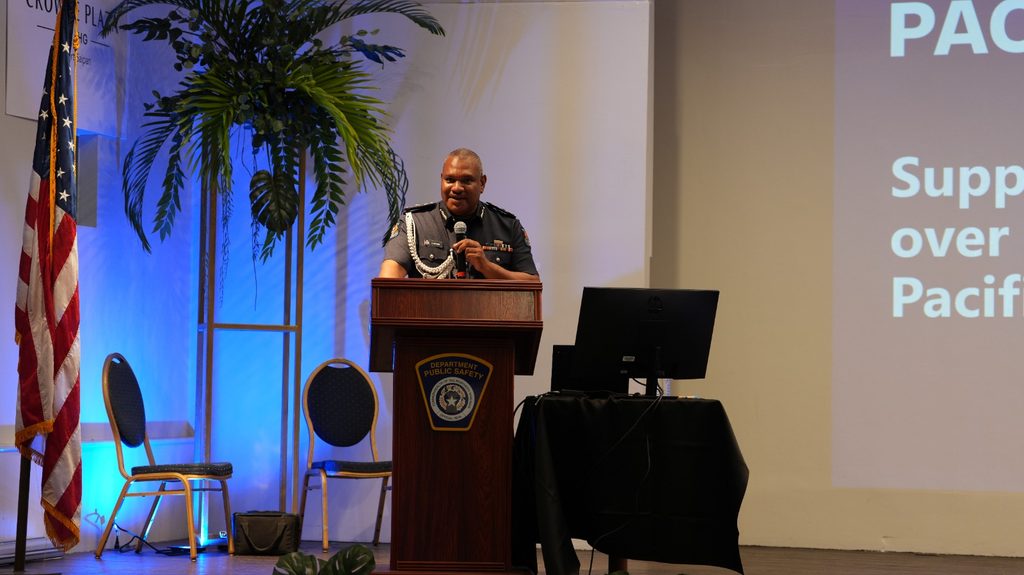
“The security challenges confronting our region do not stop at maritime borders. Sophisticated criminal syndicates seek to exploit our geography, our institutions and any gap between jurisdictions,” Manning said.
He stressed that no Pacific nation could effectively confront sophisticated international criminal networks alone, highlighting the importance of intelligence sharing, coordinated investigations and joint policing operations.
“No Pacific nation, regardless of its size or strength, can meet these threats alone. Through PACPOL, we will coordinate our people, intelligence, training and operational capabilities to identify, pursue and dismantle transnational criminal networks across borders and jurisdictions,” he said.
Commissioner Manning revealed that discussions were already progressing on establishing stronger intelligence-sharing arrangements among Pacific police agencies to ensure criminals involved in cross-border activities could be identified, tracked and prosecuted.
He said Papua New Guinea, which has the largest police service in the Pacific, would play a leading role in supporting regional law enforcement operations.
“Papua New Guinea has the largest police service in the Pacific and will carry its fair share of this regional responsibility.We will support our Pacific brothers and sisters, just as they continue to stand with us in advancing our shared law-enforcement objectives,” Manning said.
He warned that the increasing movement of illicit drugs, illegal firearms and people across international borders posed serious security threats to Pacific communities.
The Commissioner said PACPOL would strengthen investigative and forensic capabilities, improve intelligence exchanges and enable coordinated deployments of specialist police personnel when required.
He also highlighted the importance of the Pacific Police Support Group, which would provide operational assistance during major events, natural disasters, serious criminal investigations and complex security operations.
For Papua New Guinea, Manning said the initiative would strengthen the Royal Papua New Guinea Constabulary’s ability to combat international criminal networks while allowing the country to benefit from regional policing expertise and resources.
“PACPOL will be judged by results: smugglers exposed, criminal networks dismantled, illicit drugs and firearms intercepted, offenders brought to justice and communities made safer,” he said.
Commissioner Manning further assured smaller Pacific nations that PACPOL would operate on the principles of equality, mutual respect and national sovereignty.
“Every jurisdiction will stand as an equal. No voice is too large and no voice is too small.
PACPOL will respect national sovereignty while strengthening our collective capacity to act in the common interest,” he said.
He acknowledged more than 50 years of cooperation among Pacific Police leaders, saying PACPOL would build on that foundation to deliver stronger and more coordinated regional law enforcement.
The election of Commissioner Manning as inaugural Chairman positions Papua New Guinea to play a central leadership role in shaping regional policing strategies and strengthening security cooperation among the 23 participating Pacific nations.