


By RAYMOND POPNA, UPNG Journalism Student
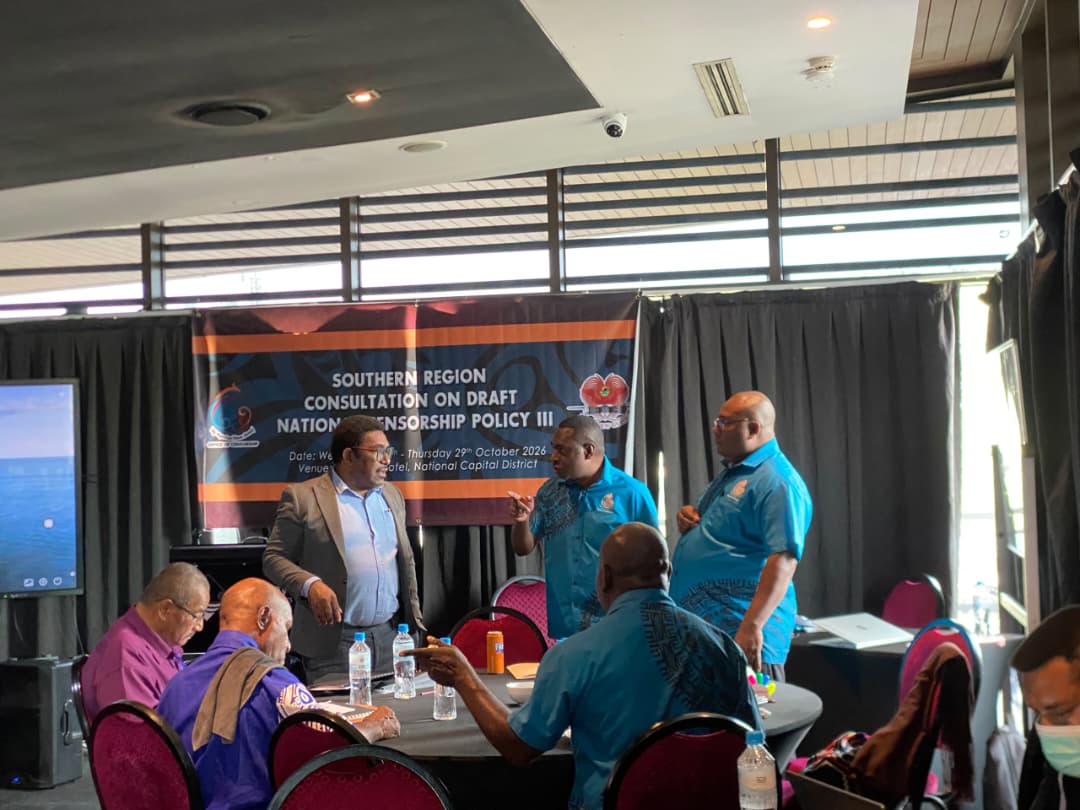
STAKEHOLDERS from across the Southern Region have gathered to deliberate on the draft National Censorship Policy III (2027–2031), which aims to build a safer and more responsible digital environment for Papua New Guinea.
The two-day Southern Region Consultation opened on Wednesday, October 28, 2026, at the Gateway Hotel in Port Moresby, National Capital District.
The consultation, facilitated by the Office of Censorship, brought together representatives from government agencies, civil society organisations, church groups, the media and the private sector to share ideas and contribute to the development of the new policy.
Opening the consultation, National Censorship Board Chairperson Mrs Karen Haive said the review of the National Censorship Policy came at a critical time as Papua New Guinea experiences rapid digital transformation and increasing exposure of children and young people to harmful online content.
“The work of the Censorship Board is in the best interest of our people, to uphold the integrity and dignity of our country as a nation and our people,” Mrs Haive said.
Chief Censor Mr Jim Abani said Policy III was designed to strengthen the classification framework, address gaps in the current 1989 Censorship Act, and ensure that Papua New Guinea’s cultural values, Christian principles and human dignity were protected in both offline and online spaces.
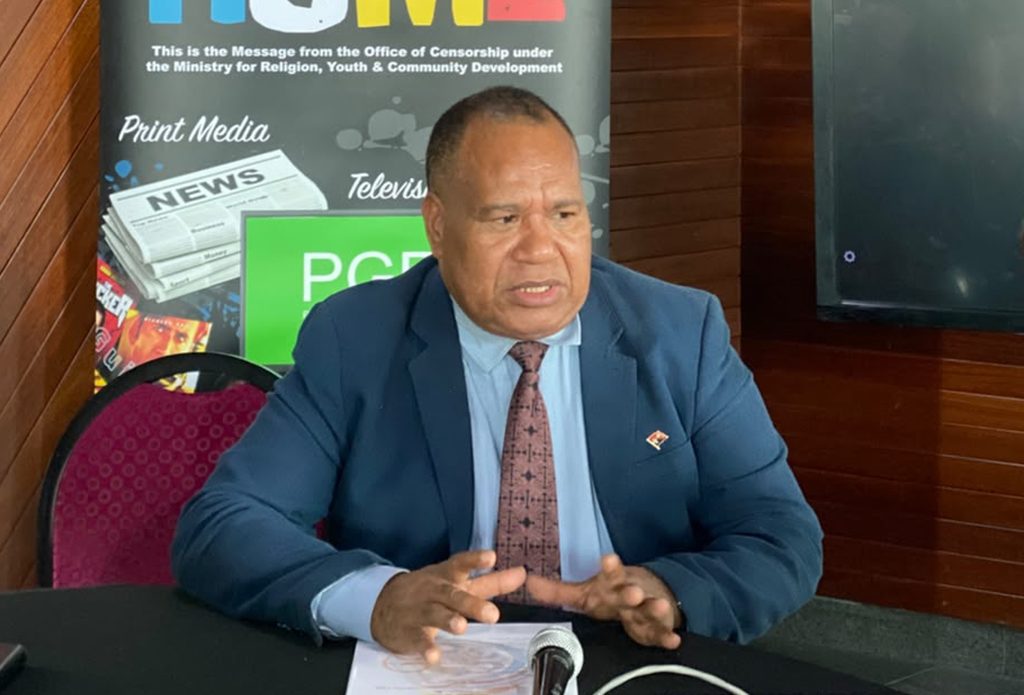
“As a way forward in addressing and confronting emerging problems and unfolding online issues, the Censorship Office is pursuing the development of the National Censorship Policy III 2027–2031 through the identification of key policy focus areas and strategies,” Mr Abani said.
Sessions on the first day focused on the background, rationale and key strategies of the draft policy. These included protecting children from objectionable materials, regulating digital platforms, promoting responsible digital citizenship and strengthening enforcement measures.
The consultation was scheduled to continue until Thursday, October 29, with participants expected to discuss implementation strategies, the roles of key partners, and monitoring and evaluation frameworks.
The Office of Censorship reaffirmed its commitment to working with all stakeholders to ensure that Papua New Guinea builds a safer and more responsible digital environment for everyone.