


SOLAR energy is improving livelihoods and strengthening food security for fish-farming households in Eastern Highlands Province.
Australia, though a partnership between ASK Sanctuary Tilapia Farm, and National Fisheries Authority have installed off grid systems for fish farming communities in the Yonki area.
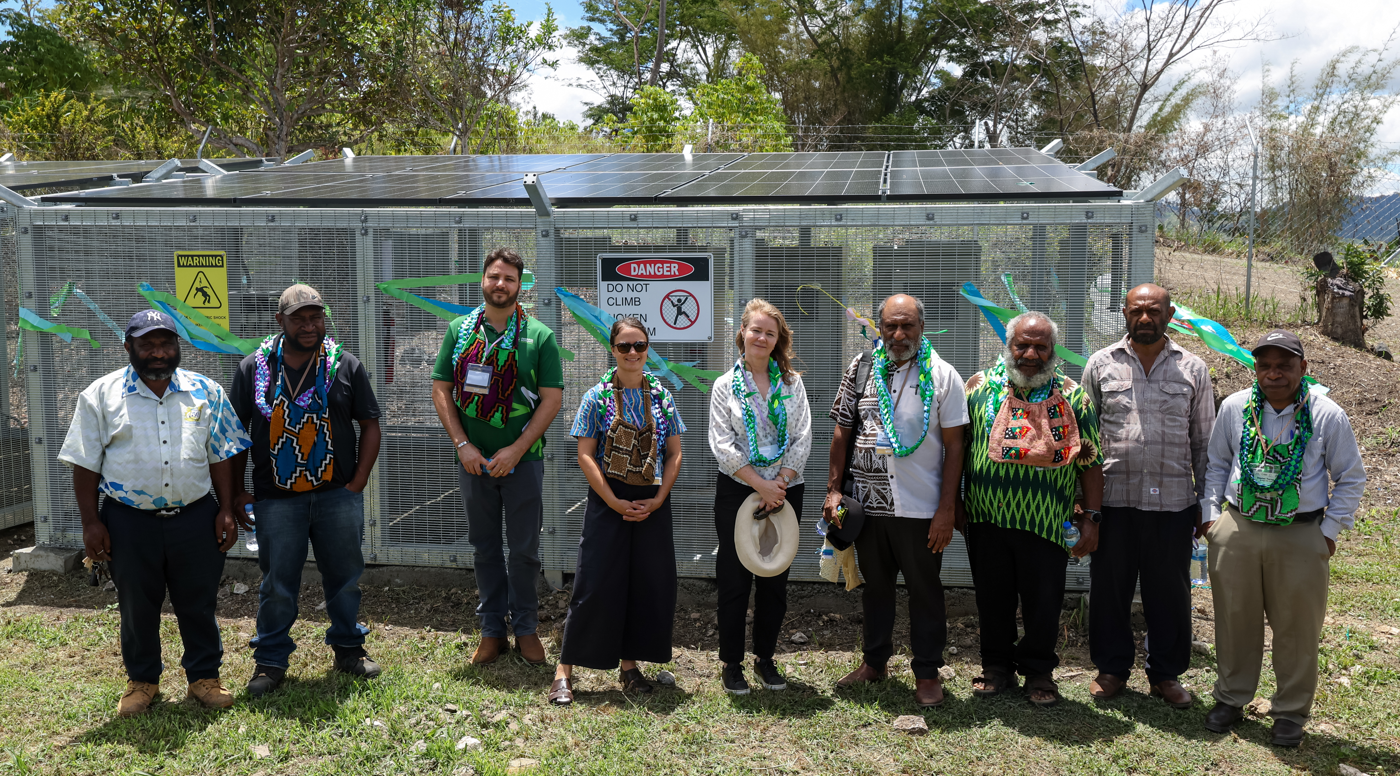
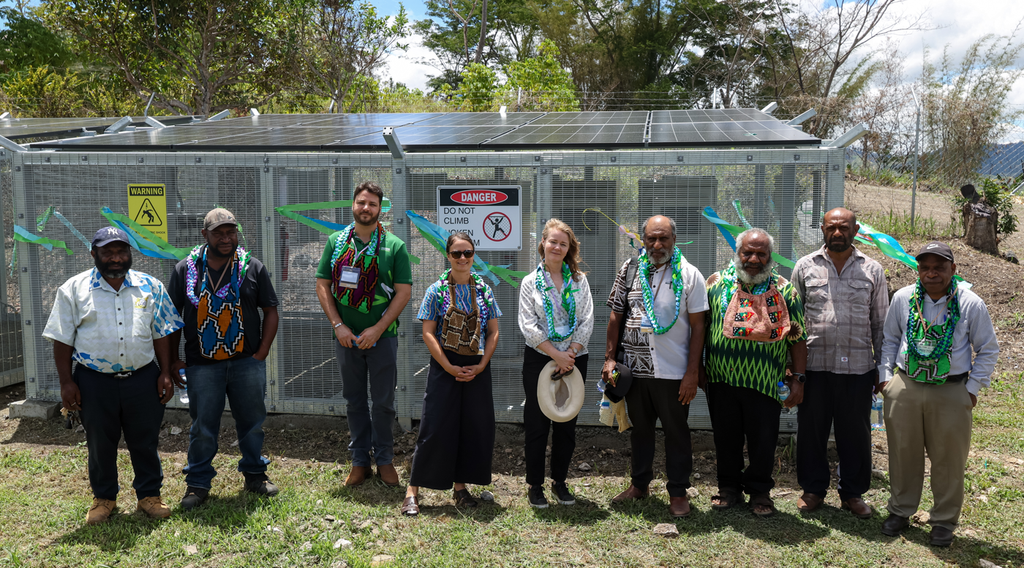
Mr Jacob Wani, Executive Manager for Aquaculture at the National Fisheries Authority (NFA) joined Australian High Commission Minister-Counsellor Dr Cate Rogers at ASK Sanctuary Fish Farm in Yonki to celebrate the completion of the project.
In his opening remarks, Mr Guna Yongomul, Managing Director of ASK Sanctuary Tilapia Fish Farm said the solar systems were already delivering benefits to local communities.
“The solar systems are already creating positive impacts. Families now have access to lighting for education and household activities, while people can move more safely at night. The farm can also operate more efficiently using renewable energy while continuing its mission of supporting aquaculture development and food security,” Mr Yongomul said.
Mr Wani said the partnership between the National Fisheries Authority and the Australian Government to deliver solar energy for aquaculture was a game changer.
“Reliable access to energy helps farmers improve production, reduce losses and grow their businesses while contributing to food security and better livelihoods for the communities,” he said.
The project installed a 20-kW solar system at ASK Sanctuary Tilapia Farm to power hatcheries, water supply, and cold storage facilities. Reliable energy is helping ensure a stable supply of high-quality fingerlings (young fish) for local fish-farming households, reducing waste and boosting production.Cold storage facilities are also helping farmers preserve their catch for market, increasing incomes and improving access to affordable, protein-rich fish.
Minister-Counsellor Dr Cate Rogers said the project demonstrated the potential of renewable energy to support rural aquaculture development.
“The Pawa Bilong Pis project demonstrates that solar energy has the potential to transform rural aquaculture, and it should be seen as a practical model for replication across the sector. It is a clean, affordable, and renewable source of power that protects the environment while ensuring sustainable livelihoods and nutritional resilience,” Dr Rogers said.
Solar energy is also improving daily life in surrounding communities. The project has installed 100 solar home systems and 15 streetlights, improving safety and wellbeing, particularly for women and girls, and encouraging greater community connection after dark.
Australia is committed to working alongside Papua New Guinea as it continues its transition to renewable energy, helping create more resilient communities, and supporting sustainable economic development.