


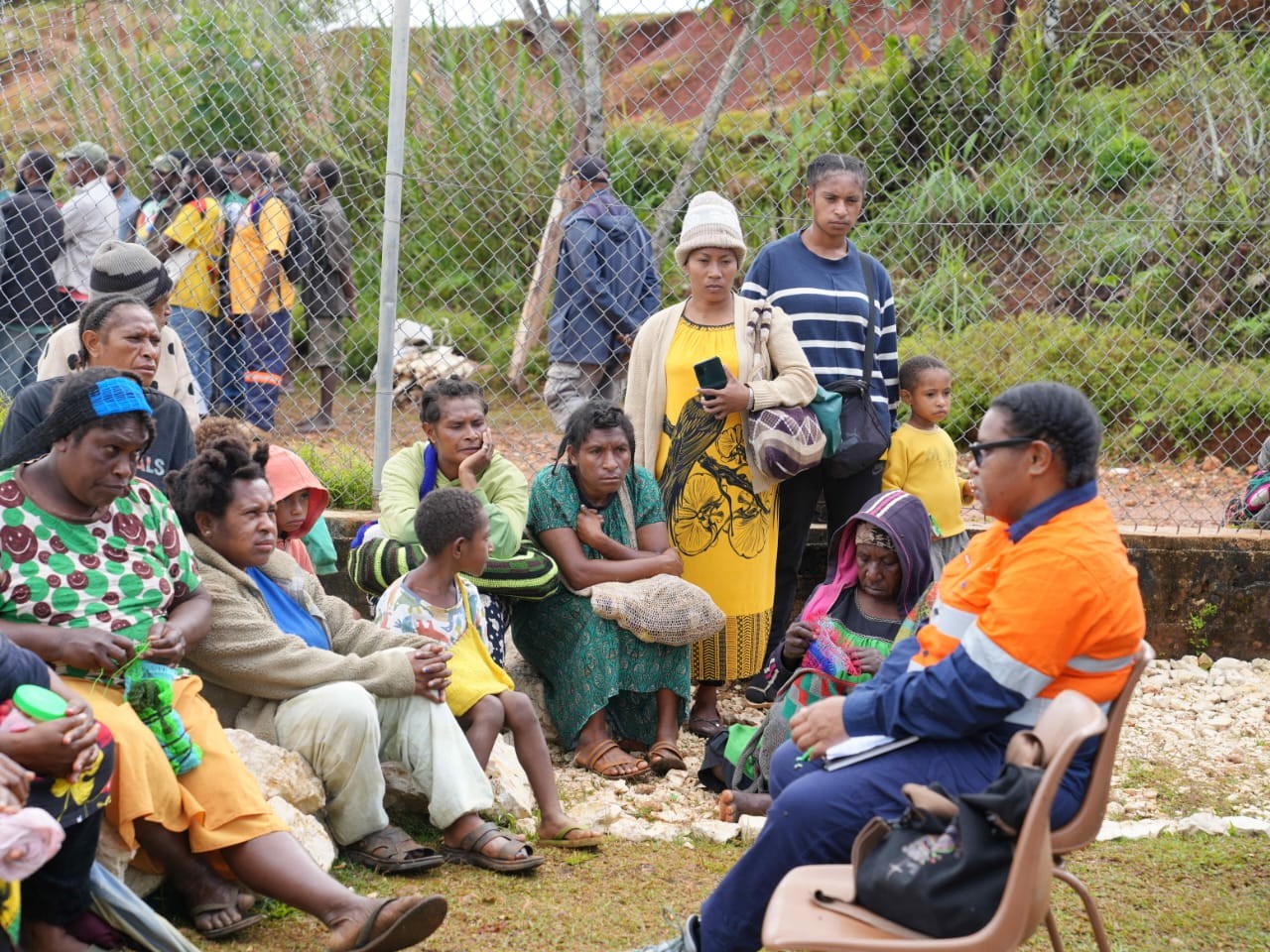
RESOURCE beneficiary communities in Gulf and Southern Highlands provinces will have a greater say in determining future development investments under the Community Investment Trust Fund (CITF).
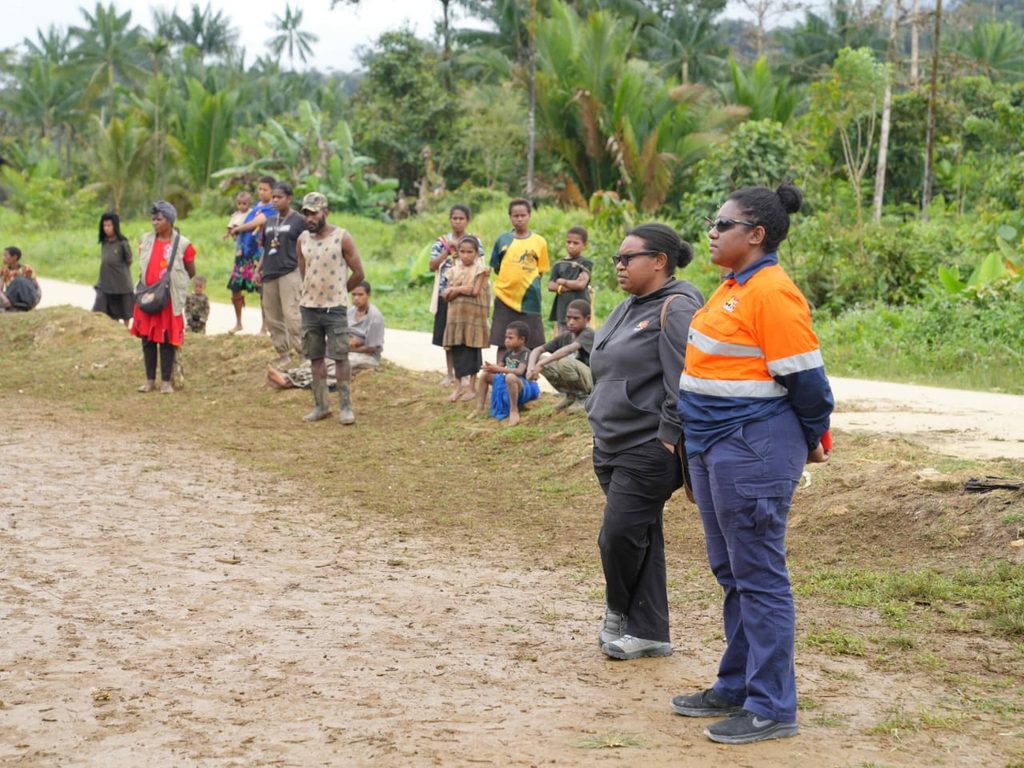
The Mineral Resources Development Company (MRDC) has completed the first phase of Community Needs Assessments and Rapid Rural Appraisals in Kikori, Gulf Province, and Kutubu in Southern Highlands Province.
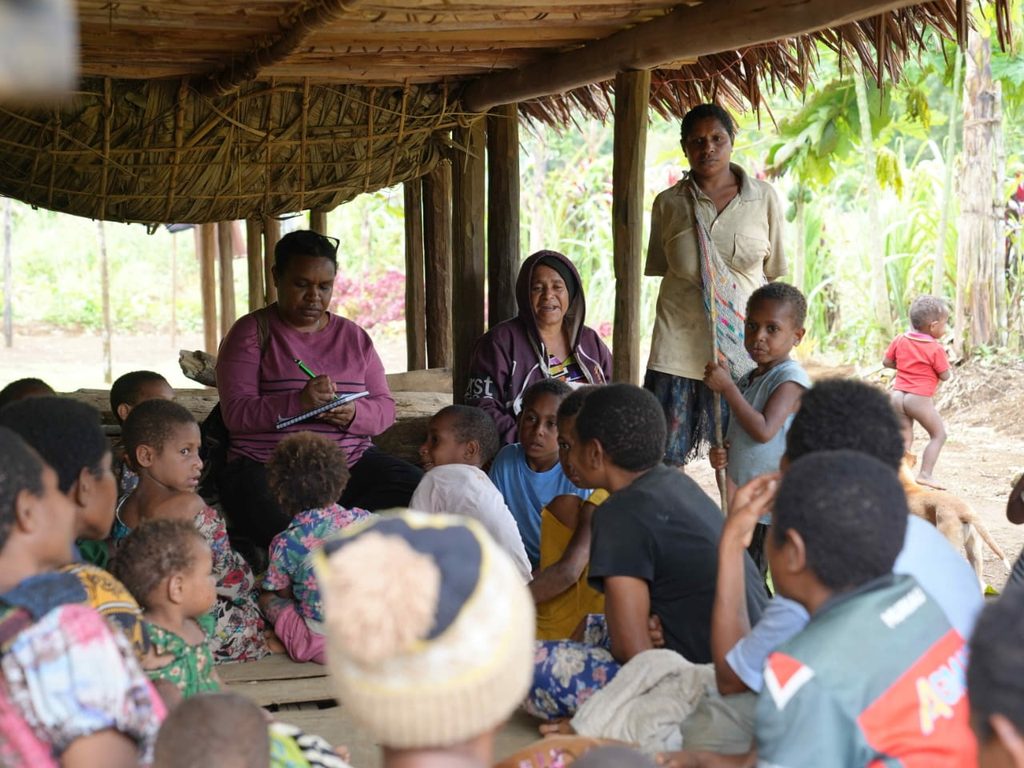
The assessments were conducted directly with communities to identify development priorities, examine existing services and establish baseline information that will guide future projects and investment decisions.
Key areas assessed included water and sanitation, health, education, infrastructure, agriculture, livelihoods and social inclusion.
MRDC Managing Director Augustine Mano said the initiative represented a significant shift towards evidence-based and community driven investment planning.
“For many years, community development investments have been guided by proposals, requests and emerging needs. These assessments give us a stronger evidence base,” Mano said.
“They show us what communities themselves see as their priorities, so that investment decisions are informed by facts, community voices and long-term development outcomes.”
Mano said the Rapid Rural Appraisal process would also allow proposed projects to be assessed against verified priorities and actual needs on the ground before decisions were made.
MRDC General Manager Assets and Infrastructure Reginald Ope said the findings would provide management and the Board with practical information to direct funding towards areas where it could deliver the greatest benefit.
Consultations found that communities were not simply asking for new infrastructure but wanted reliable and sustainable services.
Water emerged as the highest priority in many locations, followed by health, electricity, communications and livelihood opportunities.
Women and young people were also given dedicated opportunities to contribute to the assessments.
Women identified livelihoods, agriculture, education, health services, water and sanitation among their major priorities, while communities called for greater participation by women and youth in development planning.
MRDC Senior Community Development Officer Beautlyn Eliab said communities responded positively to the consultation process and appreciated being directly involved in discussions about issues affecting them.
The findings will now form part of the evidence base used to guide future CITF investments.
MRDC said it plans to progressively extend the needs assessments to all CITF beneficiary communities as part of its commitment to community-driven development and investments capable of delivering long term benefits.