


By ESWIN PLESIO
STROKE patients in Papua New Guinea need urgent medical attention, better-equipped hospitals and trained health workers to improve their chances of survival and recovery.
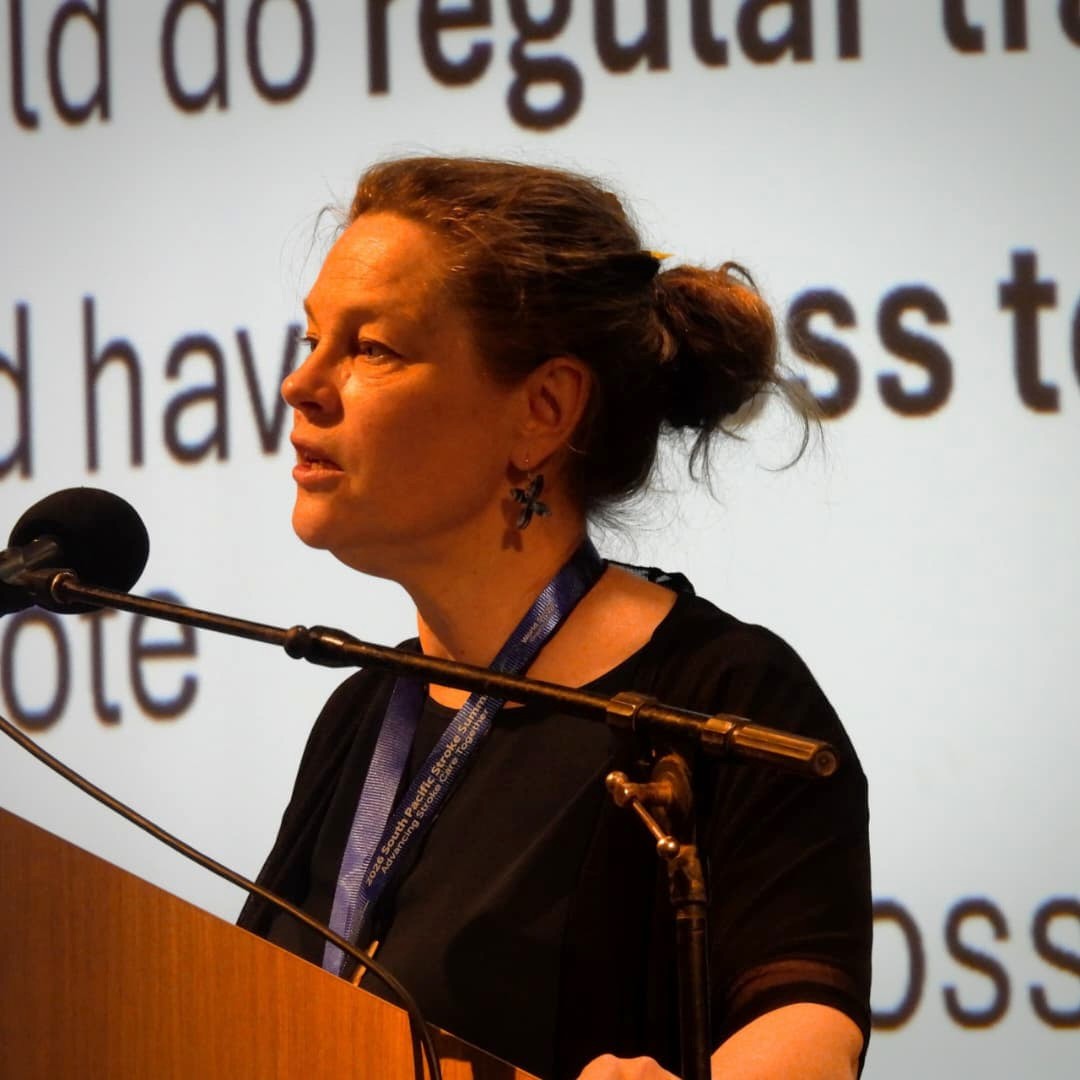
University of Otago, Wellington, Head of the Department of Medicine and academic stroke neurologist Professor Anna Ranta said this during the two-day South Pacific Stroke Summit at the Hilton Hotel in Port Moresby.
Professor Ranta said delays in treating stroke patients could result in permanent brain damage, making early diagnosis and treatment critical.
She said restoring blood flow to the brain was the best opportunity to minimise damage caused by an ischaemic stroke, which occurs when a blood clot blocks blood flow to the brain.
“Time is brain. We want to move quickly,” she said.
Professor Ranta said two major treatments were available for ischaemic stroke: intravenous thrombolysis, which uses medication to dissolve blood clots, and mechanical thrombectomy, a procedure that physically removes clots from blocked blood vessels.”
She said modern medical technologies, including CT perfusion imaging and artificial intelligence-assisted imaging, could help doctors identify brain tissue that remained viable and extend treatment opportunities for selected patients to up to 24 hours after the onset of stroke symptoms.
She said these technologies could be particularly useful for countries such as PNG, where geographical challenges and limited access to specialist medical services could delay treatment.
However, Professor Ranta stressed that hospitals needed trained staff, appropriate patient monitoring and quality assurance systems before introducing advanced stroke treatments.
She also urged health workers to place greater emphasis on acute stroke unit care, saying effective stroke management required teamwork among doctors, nurses, paramedics and radiologists.
Professor Ranta said telemedicine could also help bridge the gap between major hospitals and smaller health facilities by allowing specialists to guide medical teams treating patients in remote locations.
“There’s really no reason any longer why small hospitals need to fall behind,” she said.