


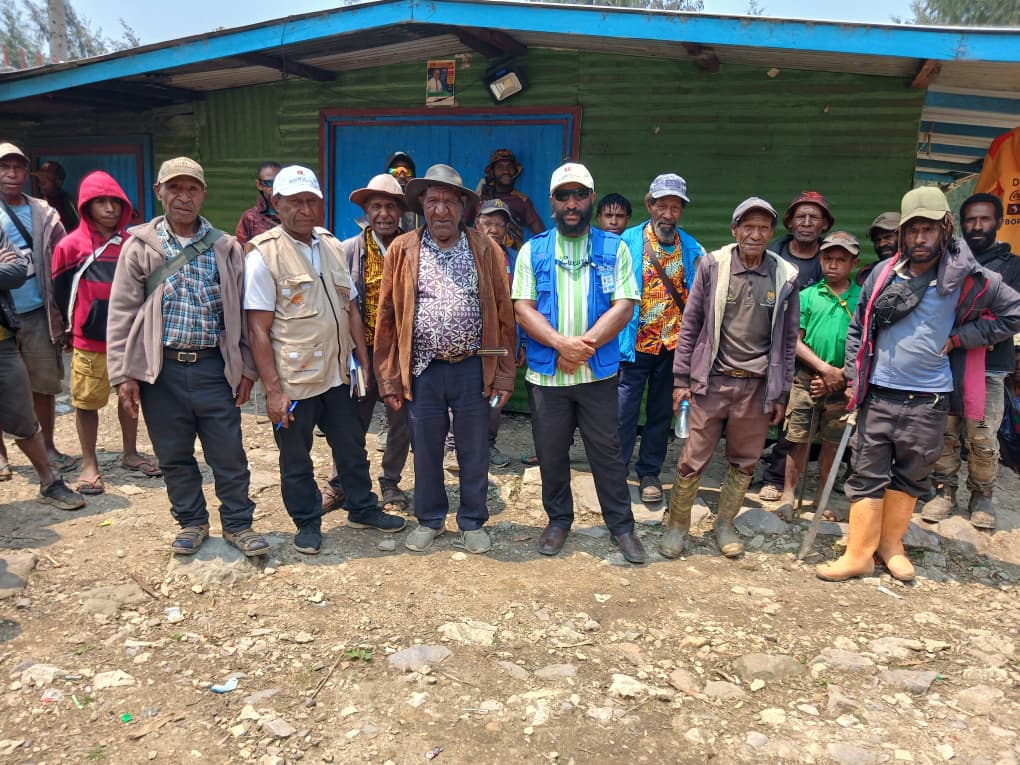
The International Organization for Migration (IOM), in collaboration with the Enga Provincial Government’s Law-and-Order team, has conducted assessments of 12 Village Court areas across the six districts of Enga Province to identify operational challenges, assess court facilities, and determine the support needed to strengthen community-level justice and peacebuilding.
Conducted from 5 to 16 October 2026, the assessments covered Village Courts in Wabag, Wapenamanda, Ambum-Kompiam, Lagaip, Kandep and Porgera districts. The joint team engaged with community leaders, Village Court officials and relevant stakeholders to understand how the courts operate, the types of cases they handle, their capacity to resolve disputes, and the challenges affecting their daily responsibilities.
The assessments covered Kamas and Birip in Wabag District; Pombapous and Kwia in Wapenamanda District; Yambu and Aiyokos in Ambum-Kompiam District; Maimaites and Kepalam in Lagaip District; Keso and Kokas in Kandep District; and Paiam and Tumudane in Porgera District.
IOM Enga Senior Project Associate in Peacebuilding and Disaster Risk Reduction, Tony Tambi Jr, said the assessments were important for strengthening engagement with communities and understanding the role Village Courts play in maintaining peace and resolving disputes across the province.
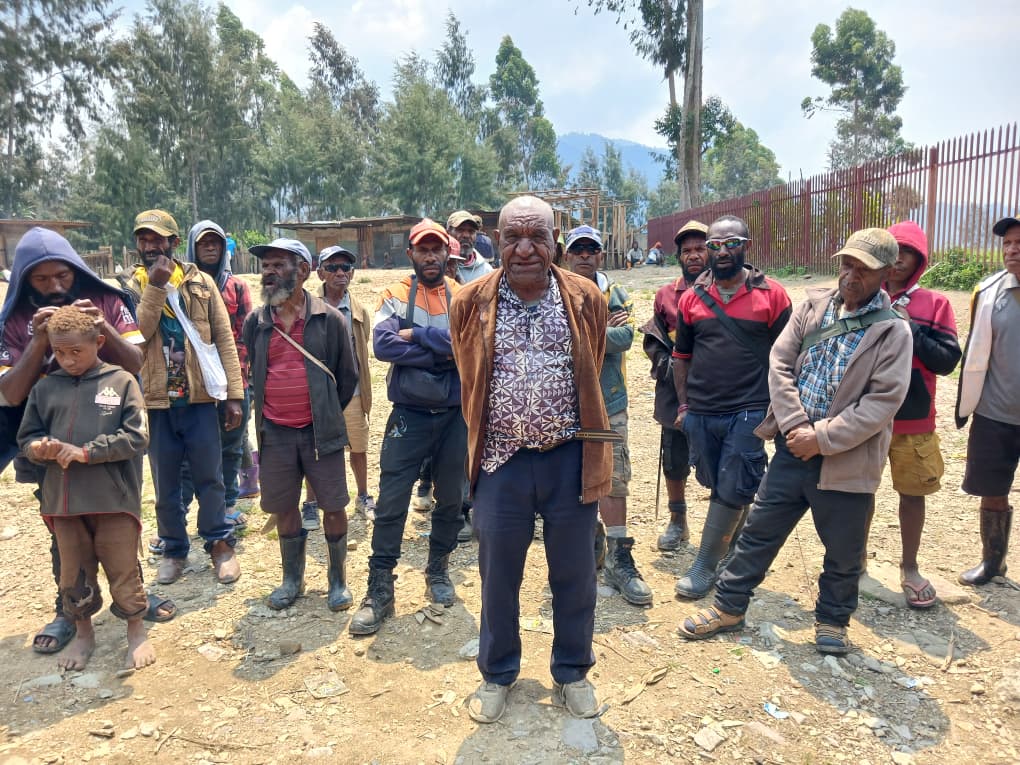
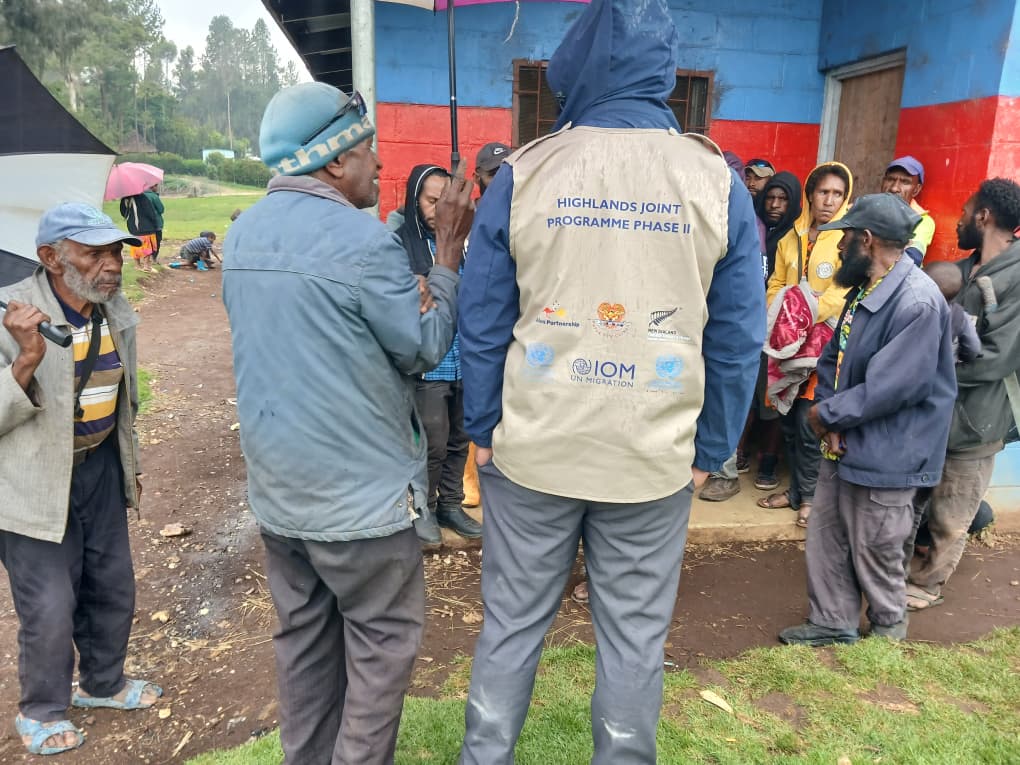
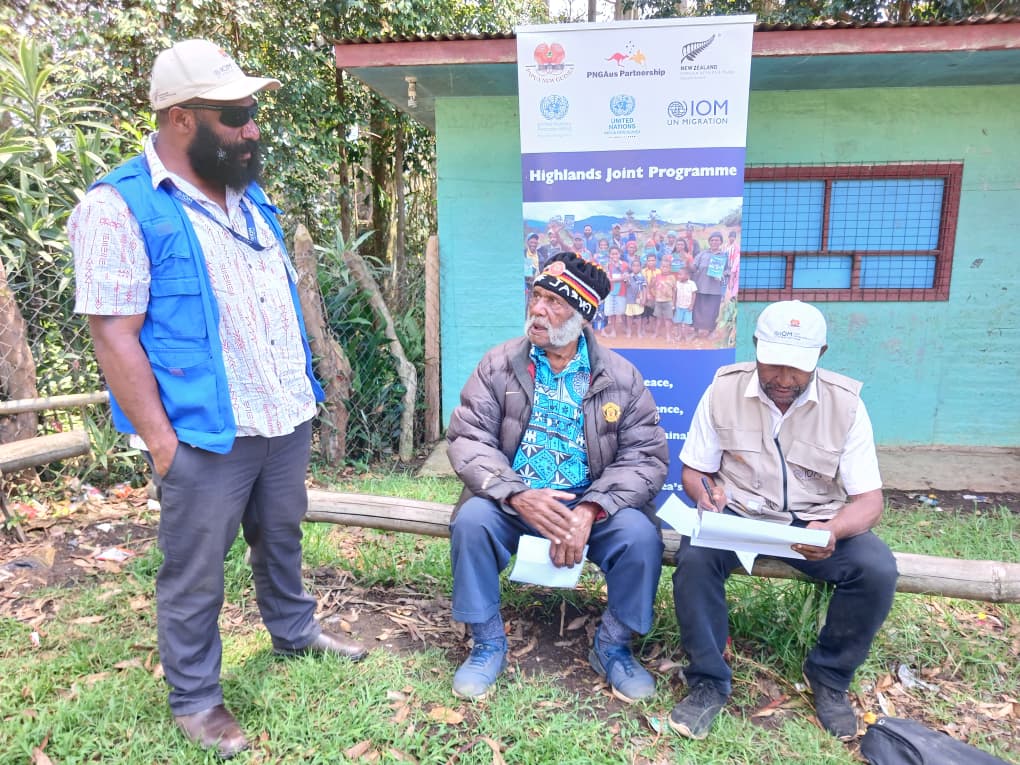
“The assessment was conducted in collaboration with the Enga Provincial Government to establish contact with community leaders, assess the condition and functionality of Village Court facilities, understand the capacity of the courts, and identify the different types of cases they handle. We also wanted to understand the challenges and gaps facing Village Court magistrates, clerks and peace officers, including the resources, training and support they need to carry out their responsibilities effectively.
“These officials are often the first responders to disputes and other issues within our communities. They play a critical role in resolving conflicts, maintaining law and order, promoting social cohesion, and upholding justice and peace at the community level. It was therefore important for us to listen to their experiences, understand the challenges they face, and identify practical ways to strengthen the Village Court system across Enga Province,” Mr Tambi said.
The assessments highlighted several common challenges affecting the functionality and effectiveness of Village Courts across the assessed locations.
These included limited access to basic training for magistrates, clerks, peace officers, chairpersons and deputy chairpersons; a lack of dedicated courthouse buildings; shortages of essential administrative materials, including summons forms, registers and other court records; and limited or irregular financial support for Village Court officials.
Despite these challenges, many officials continue to volunteer their time and serve their communities, helping to address disputes and maintain peace at the local level. Some officials undertake these responsibilities frequently, in some cases on a daily basis, despite limited resources and support.
The assessments also highlighted the need to recognize the contributions of long-serving Village Court officials and strengthen their capacity through appropriate training, improved access to court documentation, essential working materials and consideration of suitable support arrangements.
In some areas, a single Village Court serves several wards, with officials reporting coverage of approximately three to five wards. This can create challenges in ensuring timely and accessible dispute resolution for communities located far from court facilities. The possibility of establishing additional ward-level courts may therefore warrant further consideration by the relevant authorities, subject to legal, administrative and resource requirements.
Village Courts play an important role in Papua New Guinea’s community justice system. They provide a local mechanism for addressing disputes, supporting peaceful settlements and helping communities manage disagreements before they escalate into more serious conflict.
In a province such as Enga, where community relationships and local dispute-resolution mechanisms are central to peacebuilding, strengthening Village Courts can contribute to improved access to justice, social cohesion and community stability.
The assessment team also considered the importance of ensuring that Village Courts are accessible, safe and appropriate for different members of the community, including women, young people, older persons and people with disabilities.
Appropriate privacy and sensitive handling of cases, particularly those involving gender-based violence or other vulnerable individuals, are important considerations in strengthening community-level justice services.
The findings from the 12 Village Court areas will inform the consolidation of assessment results and recommendations for relevant provincial, district and national authorities and partners. These recommendations are intended to help identify practical priorities for improving court functionality, facilities, capacity and access to essential resources.
The assessments form part of broader efforts under the Highlands Joint Programme Phase II (HJP2) to strengthen community-level justice, peacebuilding and social cohesion in partnership with government stakeholders. Any future assistance or infrastructure improvements will depend on further review, prioritization and the availability of resources.
Through its collaboration with the Enga Provincial Government, IOM aims to support evidence-based planning that recognizes the contribution of Village Court officials and identifies opportunities to strengthen the local institutions that help communities resolve disputes and maintain peace.
The assessment findings reinforce the importance of supporting Village Court magistrates, clerks and peace officers, whose work remains central to ensuring that communities across Enga have access to local dispute-resolution mechanisms and peaceful pathways for addressing conflict.