


Papua New Guinea has achieved a historic milestone in its economic reform programme, becoming only the 15th country to reach staff-level agreement on seven consecutive reviews of an International Monetary Fund (IMF) programme without delays.
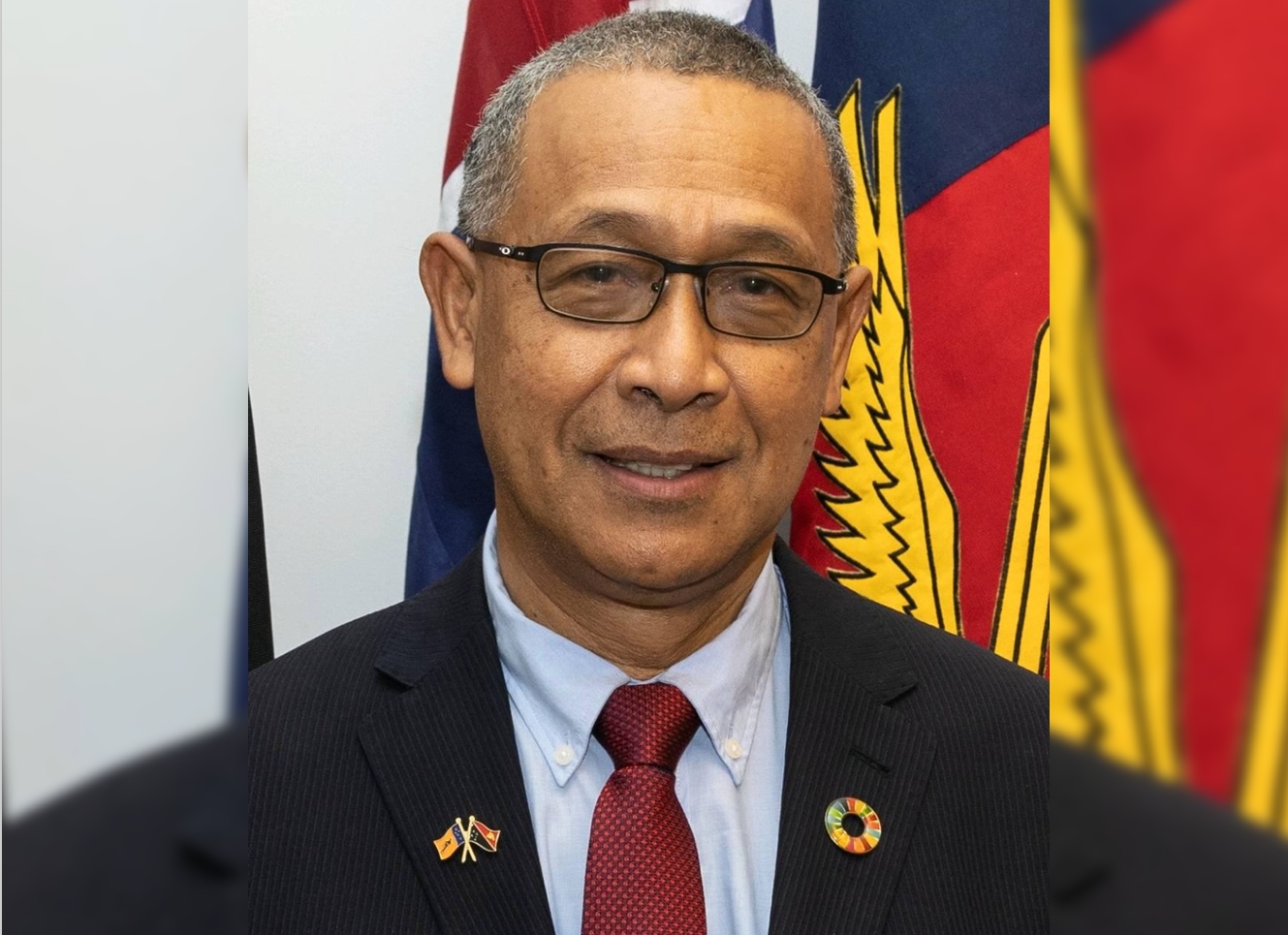
Treasury Minister Ian Ling-Stuckey announced that PNG had successfully met 206 economic reform measures and targets over the past 38 months, strengthening the country’s international economic credibility and attracting more confidence from foreign investors.
The achievement follows the announcement on Tuesday of a staff-level agreement for the seventh review of PNG’s IMF supported economic reform programme.
Ling-Stuckey described the milestone as a major breakthrough for the country’s economic management and international reputation.
“This is a huge boost to PNG’s international economic credibility. Credibility leads to more international investment, more growth, and more jobs,” he said.
He claimed that no previous government in PNG’s history had achieved a similar result.
According to the Treasurer, the successful reform programme has helped PNG secure approximately K7.285 billion in concessional financing from the IMF since 2020, providing critical support for the national budget, economic recovery and foreign exchange reforms.
He said the funding was obtained on more favourable terms than expensive commercial borrowing, citing the K2.2 billion sovereign bond secured by the previous government in 2018.
Ling-Stuckey explained that PNG’s engagement with the IMF began with a Staff-Monitored Programme on February 20, 2020, shortly before the COVID-19 pandemic disrupted the global economy.
The country subsequently received K1.258 billion in IMF financing in 2020 and another K1.244 billion in 2021.
Following the approval of a fully funded IMF programme in March 2023, PNG secured additional financing totalling K4.783 billion over four years.
This included K637 million in 2023, K980 million in 2024, K1.701 billion in 2025 and an expected K1.465 billion in 2026.
The Treasurer said the financing had been instrumental in supporting government expenditure on infrastructure, education and health while maintaining progress towards fiscal stability.
Ling-Stuckey said the IMF supported reforms had contributed to a significant reduction in PNG’s budget deficit, from 8.9 per cent of gross domestic product in 2021 to a projected 1 per cent in 2026.
He said the Government was now targeting an overall budget surplus in 2027, which would be the country’s first since 2010.
The Treasurer attributed the progress to gradual budget repair, improved financial management and continued implementation of economic reforms.
He said the programme had allowed the Government to maintain spending on essential public services while addressing longstanding fiscal challenges.
The Treasurer also highlighted progress in addressing PNG’s longstanding foreign exchange shortages.
He explained that IMF financing had provided foreign currency support, enabling the Bank of Papua New Guinea to increase foreign exchange availability in the domestic market.
This had assisted businesses in obtaining foreign currency for essential imports and helped clear outstanding dividend payments that had previously discouraged foreign investment.
Ling-Stuckey said improvements in foreign exchange availability were important for restoring investor confidence and supporting economic growth.
The Treasurer said the Government had successfully implemented 206 reform measures and targets under the IMF programme.
He rejected suggestions that the reforms had been imposed by the international financial institution, describing them instead as the outcome of negotiations and cooperation.
He said PNG had pursued some reforms more aggressively than the IMF initially expected, particularly in reducing the budget deficit.
However, he acknowledged that one outstanding reform involved the proposed establishment of a National Emergency Management Authority to replace the existing disaster management framework under the 1984 Disaster Management Act.
He said the relevant government agencies had not reached agreement in time for the review.
Ling-Stuckey credited the political stability of the Marape Government for enabling PNG to maintain its economic reform commitments.
He said the Government’s continued engagement with the IMF had strengthened the country’s international standing and demonstrated its commitment to responsible economic management.
The Treasurer also acknowledged the IMF’s technical assistance in reforming PNG’s taxation system, foreign exchange market, government securities market and governance arrangements.
These included work on a new Income Tax Act and improved governance of the Internal Revenue Commission.
Ling-Stuckey said the Government expected further engagement with the IMF, including a programme assessment scheduled for March 2027.
He revealed that discussions were underway on possible new IMF-supported programmes that could provide additional concessional financing.
Such arrangements could assist PNG in restructuring its debt obligations and reducing reliance on expensive commercial loans.
The Treasurer thanked Prime Minister James Marape for supporting the programme and maintaining strong relations with IMF leadership.
He also acknowledged officials from the Bank of Papua New Guinea, Treasury Department and other government agencies for their contributions to the reform programme.
Ling-Stuckey said the achievement demonstrated PNG’s capacity to implement sustained economic reforms while strengthening its reputation among international investors and financial institutions.
The seventh review remains at staff level agreement stage, with formal IMF approval still required before the review is completed