


By GINNAH MINI
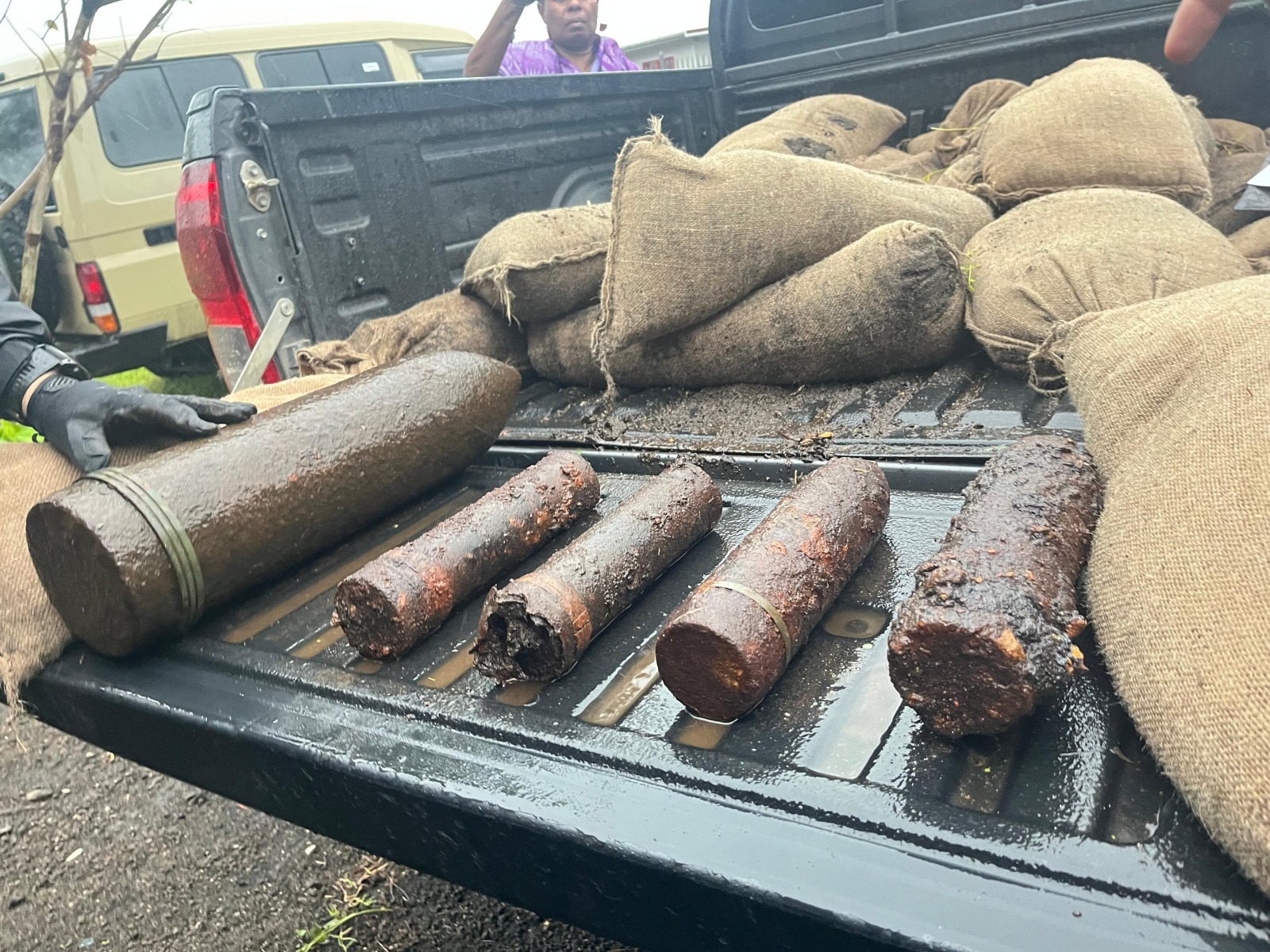
The Australian Defence Force (ADF) has confirmed the presence of multiple unexploded ordnance (UXO) weighing up to 900kg — the largest ever identified in East New Britain.
Operation Render Safe, the first Australian led mission in Papua New Guinea since the presentation of the Pukpuk Treaty to Parliament, is targeting explosive remnants of war (ERWs) left behind from World War II battles between Japanese and American forces.
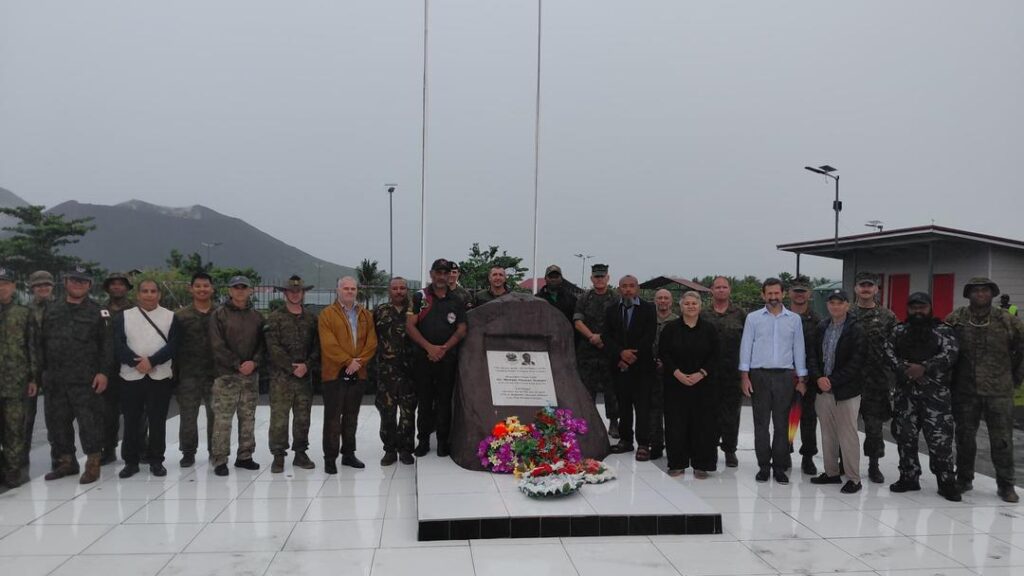
Australian Defence Advisor Colonel Nicholas Trotter noted that more than 2,000 ERWs were cleared in East New Britain during the 2011 operation. “ENB was an epicenter of WWII in the Pacific, and 80 years on, communities here are still living with its legacy,” Colonel Trotter said. “This multinational activity is making the land safer for local people, while strengthening partnerships among allies and regional partners.”
PNGDF Troop Commander Sub Lieutenant Gareth Amoniu said the PNGDF is working closely with Australian counterparts to remove ERWs, engage communities, and reinforce bilateral ties with other participating nations.
Kokopo Lord Mayor James Wong welcomed the soldiers and thanked them for taking responsibility to remove hazards that continue to threaten lives.
The ADF reported that this year’s Operation Render Safe is the third largest ever, and the second largest in PNG, following the Solomon Islands operation in 2024. More than 1,600 ERWs were identified during last year’s reconnaissance in ENB, with hundreds more discovered during this year’s mission. Operation Render Safe has been conducted in its current format for 22 years, though its origins date back to the 1970s.
Meanwhile, Indian observers have joined the operation for the first time, recognizing the site’s historical significance. During the war, Indian prisoners of war were forced to dig Japanese tunnels across the island, many of which remain today.