


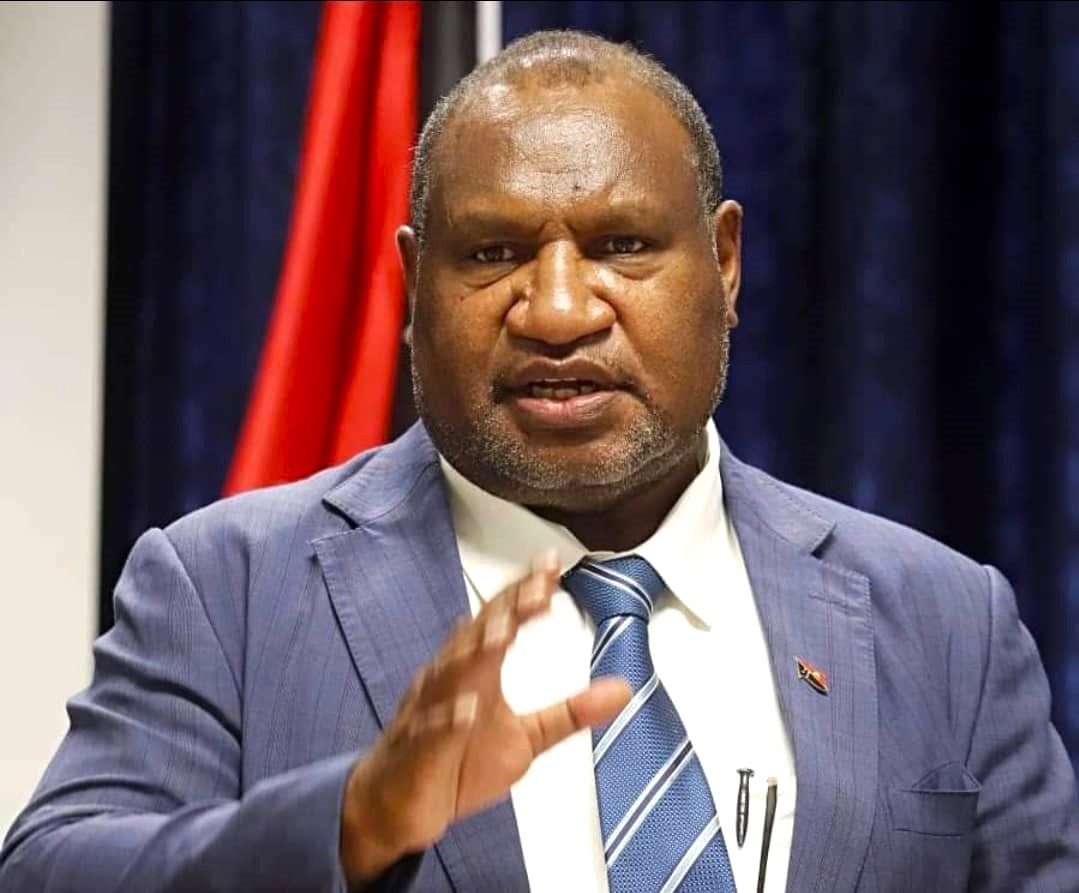
Prime Minister Hon Marape has presented the 7th Performance Report of the Marape–Rosso Government, covering the period 2019 to 2025 stating that it is a government performance review presented with full transparency to the parliament and the people of Papua New Guinea.
The presented report was prepared under key government sectors: infrastructure, economic, law and order, health, education, social and community development, administrative governance including the achievements of the 22 provinces and 96 districts.
Marape stressed that seven years ago he accepted the responsibility of leading this nation and promised to ‘Take Back PNG’ for the people and to take PNG to the world.
He highlighted the achievements of his performance:
“We have built 16,580 kilometres of road network and invested K20 billion in the infrastructure that connects our people,” Prime Minister Marape said.
“We have educated 2,565,713 students under the Government Free Education Programme and given 53,958 university students access to the Higher Education Loan Programme.”
“We have invested K542 million in modernising the police force. We have established ICAC to fight corruption at its source. We have increased the minimum wage.”
Marape noted that his government enacted 32 Acts of Parliament in a year while noting that they have signed the BBNJ Treaty (Biological Diversity of Areas Beyond National Jurisdiction) which deepened international partnerships, and raised Papua New Guinea’s standing in the world.
“We have not achieved everything we set out to do,” Marape said.
“There are provinces still waiting for better roads. There are children in communities not yet fully served by our education programmes.”
He noted that there are patients in facilities that still lack essential medicines, corruption cases that are yet to be prosecuted, and incomplete reforms.
“Papua New Guinea is on the move. Our people deserve nothing less than our best efforts — and our Government’s best efforts are, and will remain, fully committed to the service of every Papua New Guinean, in every province, in every district, in every village, in every home,” Marape said.