


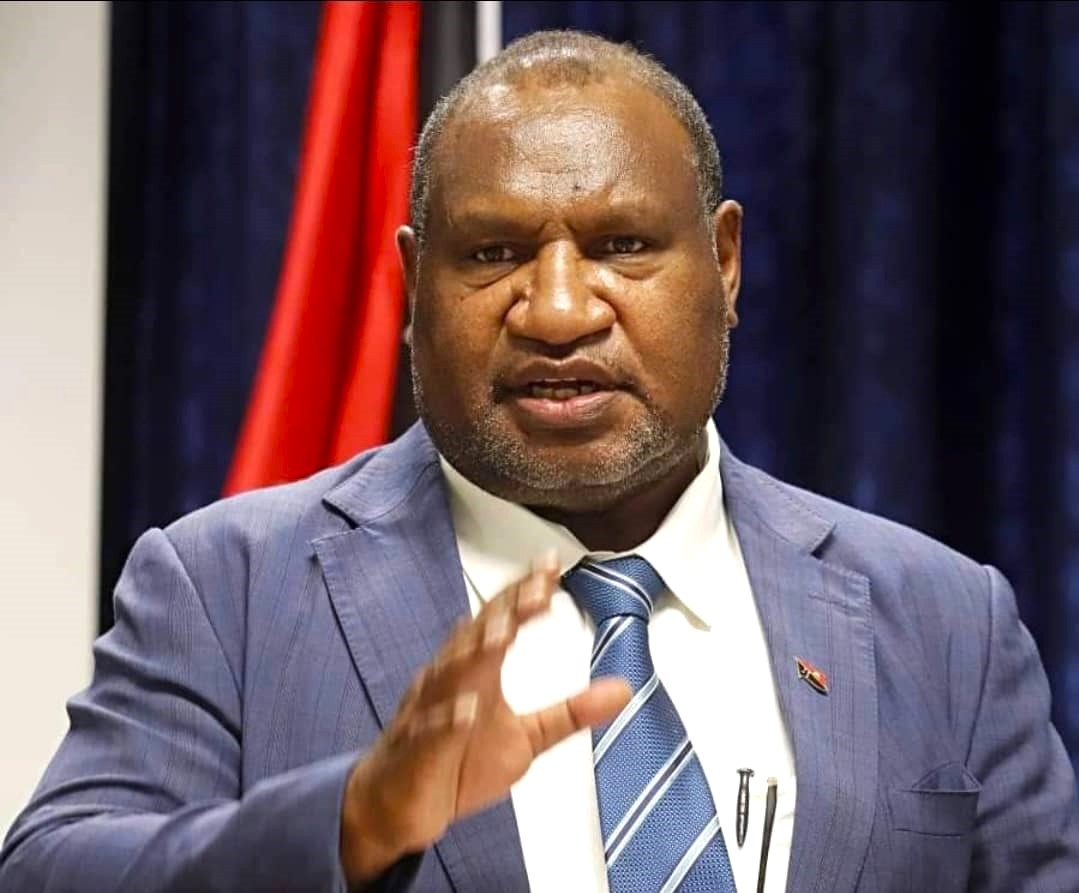
PRIME Minister Hon. James Marape has announced that Cabinet has approved measures to curtail unnecessary government expenditure, including non- essential official travel, conferences, meetings and programmes, as Papua New Guinea responds to the effects of El Niño, rising living costs and other economic pressures.
Prime Minister Marape said the decision was necessary to ensure that limited public funds were directed towards urgent national priorities, particularly disaster response, essential government services and development projects capable of being completed before the end of 2026.
“Cabinet has approved that we must cut back on all unnecessary travel, conferences, meetings and
government programmes that are not essential at this time,” Prime Minister Marape said.
“We are going through difficult times as a country. El Niño is affecting our communities, the cost of living remains high, and our people are facing increasing pressure.
“This is not the time for unnecessary spending. Government departments, agencies and public institutions must exercise financial discipline and ensure that every kina is spent responsibly.”
Prime Minister Marape said Cabinet’s decision would require government agencies to review their remaining activities and expenditure commitments for 2026, giving priority to programmes that directly benefit the people.
He said official travel, workshops, conferences and meetings that could be postponed, conducted through alternative arrangements or avoided altogether should not place unnecessary demands on public finances.
“Our priority must be to help our people through these difficult times, maintain essential services and complete the important work already underway,” he said.
“Government money must be used where it is needed most — supporting communities affected by disasters, maintaining health and education services, and ensuring that critical infrastructure and development programmes continue.”
Prime Minister Marape also directed government agencies to assess the readiness of development projects scheduled for implementation before the end of the year.
He said projects that were not ready to proceed should be deferred to 2027 rather than rushed through simply to exhaust budget allocations.
“If a project is not ready, we will move it to next year. We must not rush expenditure simply because we are approaching the end of the financial year,” Prime Minister Marape said.
“Projects that are ready and can be properly implemented should proceed. Those that are not ready must be appropriately rescheduled, with proper planning, accountability and financial management.”
The Prime Minister said the Government’s immediate focus was on managing the remaining months of 2026 prudently while responding to the needs of communities affected by adverse weather conditions and economic hardship.
He urged ministers, departmental heads, provincial administrations and heads of government agencies
to take the Cabinet decision seriously and demonstrate leadership in reducing avoidable expenditure.
“This discipline must begin within Government itself. We cannot ask our people to tighten their belts while public institutions continue spending on activities that can wait,” Prime Minister Marape said.
“We must lead by example, cut unnecessary costs and concentrate our resources on what matters most to our people.”
Prime Minister Marape assured the public that the measures were intended to strengthen financial discipline and protect essential government priorities, rather than halt important national development programmes.
“We will continue to deliver essential services and support our people. But we must be responsible with the resources available to us,” he said.
“I ask all government agencies to cooperate fully as we work together to complete 2026 responsibly and prepare for the year ahead.”