


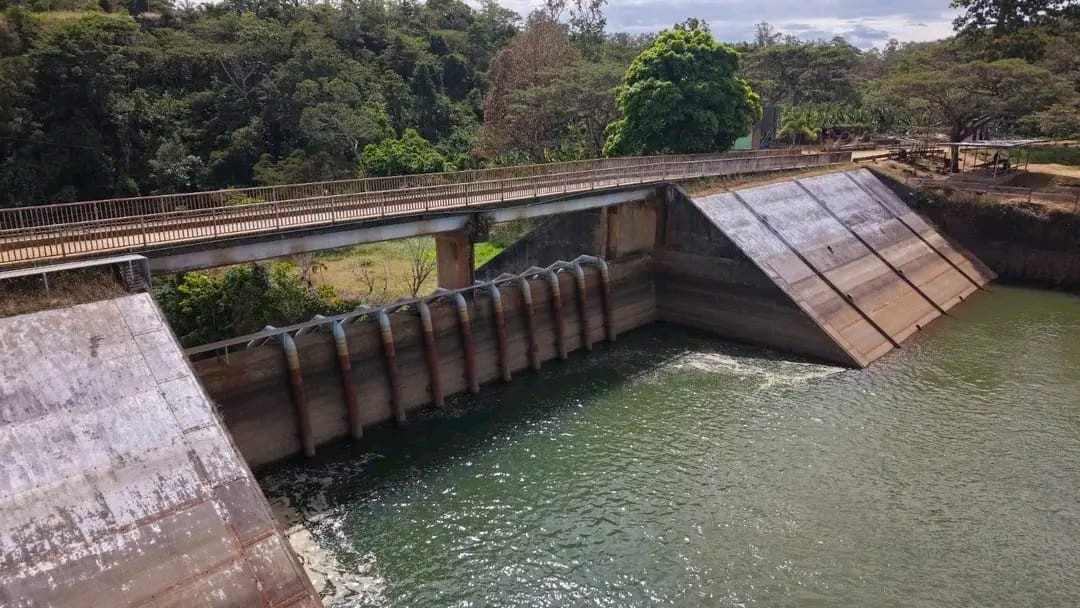
PNG Power Ltd (PPL) has implemented urgent water conservation measures at Sirinumu Dam as ongoing El Niño drought conditions continue to reduce water availability, affecting both hydroelectric power generation and Port Moresby’s water supply.
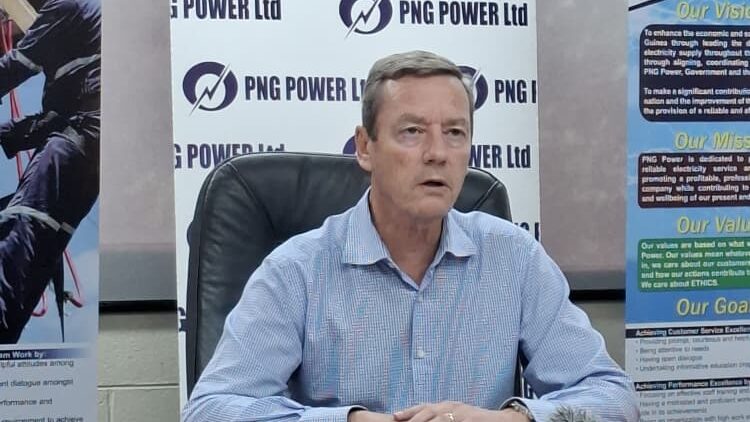
PPL Chief Executive Officer Paul Bayly said the company is actively managing reduced water availability at the dam in response to the prolonged dry conditions affecting the National Capital District (NCD) and Central Province.
“The drought situation affecting NCD and Central Province is serious, and we are taking all necessary proactive steps to responsibly manage the water in Sirinumu Dam. Our priority is to sustain electricity supply and city water availability for the people of Port Moresby for as long as possible through this extended dry spell,” Mr Bayly said.
According to the National Weather Service’s May 2026 Drought Update, NCD has been under drought alert for two consecutive months, while Central Province has now transitioned from drought watch to drought alert. Climate forecasts indicate below-normal rainfall across most of Papua New Guinea through August, with El Niño conditions expected to intensify in the coming months.
Mr Bayly said reduced water releases from Sirinumu Dam have directly impacted hydro generation across the Rouna hydropower cascade stations, reducing renewable power generation on the Port Moresby grid.
To maintain grid stability and minimise the number of feeders on load shedding, PPL is supplementing the reduced hydro output with diesel thermal generation at Moitaka Power Station.
He said Sirinumu Dam, which has a maximum storage capacity of 340 million cubic metres, was at 71.06 per cent of full capacity as of June 21, holding 241.82 million cubic metres of water.
Rainfall across the dam catchment has been negligible, with uncontrolled river inflows averaging only 0.25 cubic metres per second from May to June, accelerating the decline in reservoir levels.
To conserve water, PPL has reduced releases from the dam since May, resulting in a generation shortfall and the commencement of load shedding.
The Sirinumu Toe of Dam power station is now operating at a reduced output of 500 kilowatts, down from its normal 1.5 megawatts, while only two of the dam’s ten siphon valves
remain open, reducing total water discharge to approximately 3.9 cubic metres per second compared with the normal maximum of 14 cubic metres per second.
The Rouna 2 and Rouna 4 hydropower stations are each operating on a single generating unit to match reduced river inflows and minimise water loss. PPL is also working to restore forced-outage thermal generators and recommission the Rouna 1 and Rouna 3 hydropower stations to increase generation capacity and ease the current load shedding burden.
Mr Bayly said the conservation measures are expected to remain in place for up to 10 months, in line with the forecast duration of the El Niño drought.
He also confirmed that PPL is working closely with Water PNG and relevant government authorities to ensure the minimum raw water discharge required for Port Moresby’s water supply is maintained throughout the drought period.
Mr Bayly urged residential, commercial and industrial customers to support the conservation efforts by using electricity responsibly, especially during peak demand periods, and switching off non-essential appliances where possible.
“PPL will continue to provide regular updates on dam levels, generation operations and any planned load shedding through its official communication channels,” he said.