


By Gabriel Katuho
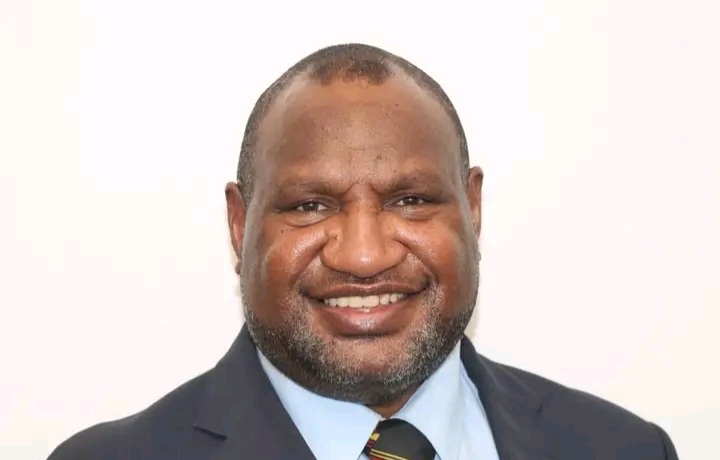
PRIME Minister James Marape has issued a call to urban youth, encouraging them to consider returning to their hometowns if they find themselves without meaningful occupation in the cities.
This statement was made today, (Friday 11), at the Parliament House. The Prime Minister’s address was prompted by inquiries raised during the ongoing parliamentary session, specifically concerning the Vagrancy Act.
Marape said that young individuals who are unable to secure opportunities in urban centers such as Port Moresby and Lae should contemplate heading back to their respective provinces.
He suggested that they engage with their provincial and district administrations to explore potential avenues for employment.
Marape proclamation comes in the wake of his assertion that a reevaluation of the Vagrancy Act is in progress.
He noted that enforcing the act could have enduring consequences for the country’s citizens, considering the fundamental right to movement granted by the National Constitution.
While cities often attract students seeking education and opportunities, Marape stressed that those who remain unoccupied should seriously consider repatriating to their provinces.
This move, he believes, could lead to potential employment opportunities within their hometowns or districts, or even involve engaging in agricultural activities to enhance local productivity.



It’s a good call but before moving those youths back to their villages, their governors and district members needs to set up some projects, services , activities etc to engage them by keeping them busy rather than letting them doing nothing and creating law and order problems.
Most of the law and order problems are created by youths and these youths are the ones doing nothing hence the government needs to engaged all the youths in any form of activities to keep them busy to generate their income.
If they are sent to their village and if they are not engage in any for of jobs, projects, services etc they will only involve in tribal fight, criminal activities and other law and order related issues.
Therefore, government needs to prepare in advance before sending them home.
A concern Png youth
Addressing the challenges faced by unfortunate youths requires a comprehensive and multi-faceted approach. Here are some potential solutions that the government can consider to help these young individuals:
Skills Training and Education Programs:
Establish vocational training centers and educational programs specifically designed to equip disadvantaged youths with practical skills. These skills could range from technical trades to entrepreneurship and business management, enabling them to gain meaningful employment or start their own businesses.
Job Placement and Apprenticeships:
Collaborate with industries and businesses to create job placement programs and apprenticeships. This would provide young people with opportunities to gain work experience, learn on the job, and eventually secure stable employment.
Microfinance and Small Business Support:
Offer microfinance initiatives and grants to help aspiring young entrepreneurs start and sustain small businesses. Providing financial assistance, mentorship, and guidance can empower them to generate income and become self-sufficient.
Support for Agricultural Initiatives:
Encourage and facilitate youth involvement in agriculture by providing resources, training, and access to modern farming techniques. Farming and agribusiness can offer both employment and opportunities for innovation in rural areas.
Community Development Projects:
Invest in community development projects that involve youths in improving local infrastructure, healthcare, education, and other essential services. These projects can create jobs and improve living conditions within their own communities.
Digital and Remote Work Opportunities:
Promote remote work and freelancing opportunities, leveraging digital platforms to connect youths with jobs or projects that can be done from their hometowns. This approach can help bridge the urban-rural gap and utilize their skills.
Mentorship and Life Skills Programs:
Establish mentorship programs that pair disadvantaged youths with experienced professionals who can guide and support them in making positive life choices, setting goals, and building self-confidence.
Counseling and Mental Health Support:
Recognize the importance of mental health and provide access to counseling services for youths facing challenges. Mental health support can help them cope with difficulties and develop resilience.
Youth Empowerment Centers:
Create safe spaces or centers where young people can access resources, training, counseling, and recreational activities. These centers can foster a sense of belonging, skill-building, and personal growth.
Collaboration with NGOs and the Private Sector:
Partner with non-governmental organizations (NGOs) and private sector entities to leverage their expertise and resources in addressing youth unemployment and providing necessary support.
Policy Reforms and Advocacy:
Advocate for policy reforms that promote youth inclusion, education, and employment opportunities. Creating an enabling environment through supportive policies can have a lasting impact.
Public Awareness Campaigns:
Launch awareness campaigns to change societal perceptions about certain jobs or industries, encouraging youths to consider alternative career paths and opportunities.
By implementing a combination of these solutions and tailoring them to the specific needs of each community, the government can play a vital role in empowering unfortunate youths, helping them overcome challenges, and building a brighter future for themselves and their country.