


By GEORGINA MICHAEL
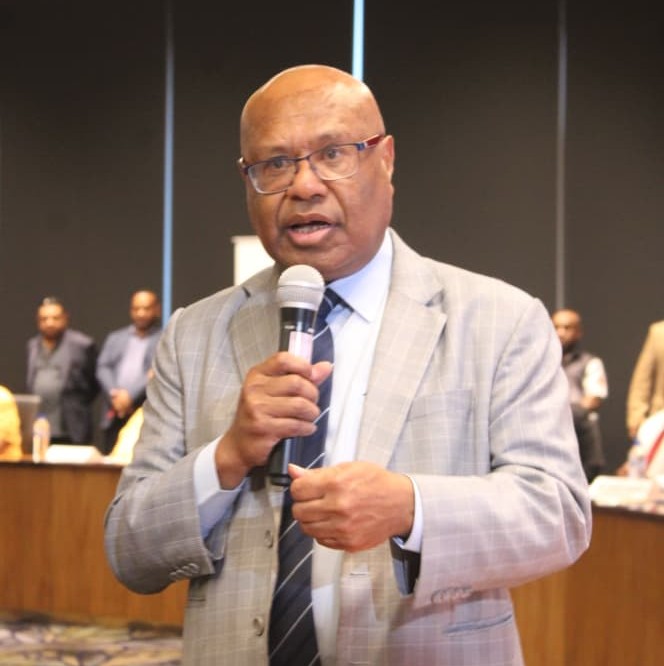
Minister for Petroleum Hon. Jimmy Maladina has welcomed the signing of the Papua LNG Development Forum Tier 1 Agreement, saying Papua New Guineans will judge the project not by how much gas it produces, but by its impact on the livelihoods of the people.
He described the signing as an important milestone towards a fair, transparent and sustainable benefit-sharing framework for the Papua LNG Project.
Speaking at the signing, Minister Maladina said the Tier 1 Agreement reflects the shared commitment of the National Government, Provincial Governments, landowners and Papua LNG Project partners to ensure the project delivers lasting benefits to Papua New Guinea.
He noted that landowners have legitimate expectations of the project, including development to improve their communities, opportunities for their children, participation in business and employment, and a fair share of the benefits generated.
He said at the same time, landowner institutions must be representative, transparent and accountable, so that benefits serve entire communities and future generations.
“The true measure of Papua LNG will not simply be the amount of gas exported or revenue generated. Our people will judge this project by the difference it makes in their livelihoods,” he said.
Minister Malidina said the benefit-sharing arrangements include important streams such as royalties, development levies, equity participation, infrastructure development, business development, employment, and training opportunities.
“These benefits must translate into tangible developments. Royalties and development levies should contribute to better schools, health services, roads, water supply, and other essential services.”
He said Papua LNG must maximise opportunities for Papua New Guineans. Where capacity gaps exist, government must invest in training, apprenticeships, technical education, and workplace development.
Papua New Guinean businesses should also be given meaningful opportunities to participate in procurement and contracting, provided they meet commercial, technical, and safety standards.
“We encourage partnerships that allow knowledge, technology, and management experience to be transferred to our people and our companies in Papua New Guinea.Our objective must be that Papua LNG leaves behind not only revenue and infrastructure, but also stronger workers, professionals, entrepreneurs, and nationally competitive businesses,” he said.
He thanked the Provincial Governments, landowner leaders, project partners, the National Petroleum Authority, State agencies, Forum Facilitators, technical teams and advisers for their contributions.