


THE Marape-Rosso Government is exploring cheaper international financing options to repay Papua New Guinea’s K2.25 billion (US$500 million) Eurobond debt, which is due for full repayment in August 2028.
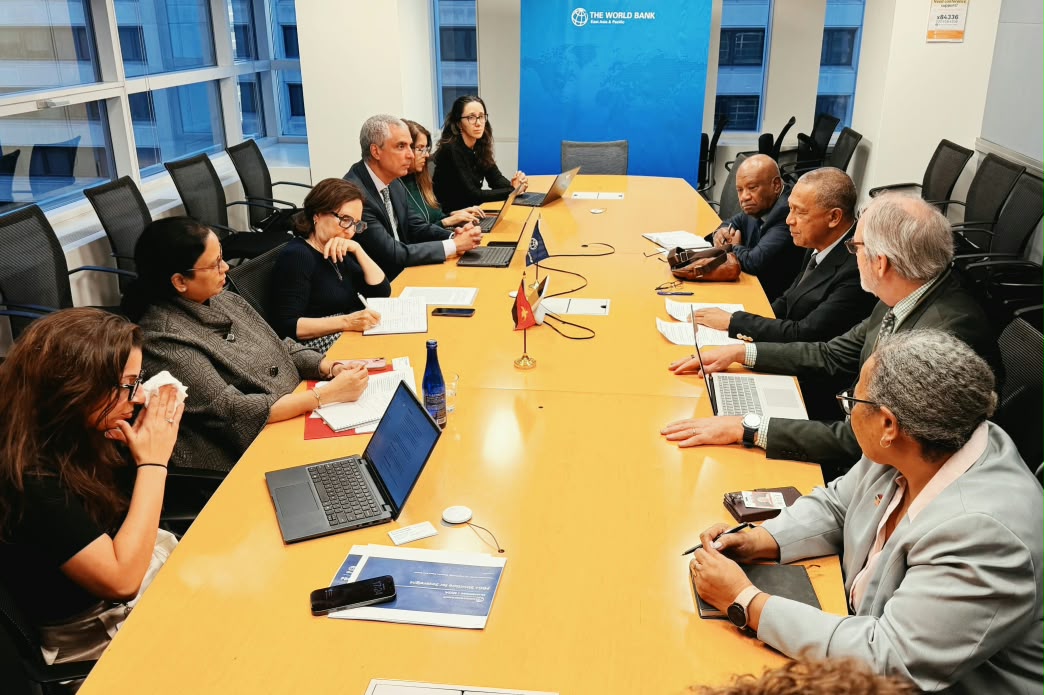
Treasury Minister Hon. Ian Ling-Stuckey revealed that high-level discussions were held with the World Bank and International Monetary Fund (IMF) in Washington DC last week to explore refinancing arrangements aimed at reducing the country’s debt burden.
In a statement issued on Friday, October 30, Minister Ling-Stuckey described the Eurobond borrowing undertaken in 2018 as a costly financial decision that continues to place significant pressure on the national budget.
He said the loan, secured at an interest rate of 8.35 percent, excluding additional fees and charges, costs the Government nearly K200 million annually in interest payments.
The entire principal must be repaid in a single payment in August 2028, creating a major financial challenge for the country.
Ling-Stuckey said the Eurobond was also a major contributing factor to PNG’s classification as being at high risk of debt distress.
He said the Government was taking proactive measures to secure affordable refinancing arrangements well ahead of the repayment deadline, particularly with the 2027 National General Election approaching.
The Minister explained that negotiations for concessional financing and international guarantees could take considerable time, making early engagement with international financial institutions essential.
During discussions with the World Bank, PNG explored opportunities for guarantees that could significantly reduce the cost of borrowing from international commercial lenders.
Under such arrangements, the World Bank Group could potentially guarantee up to 95 percent of eligible losses on a loan, substantially reducing risks for international investors and lenders.
Ling-Stuckey said the discussions also covered possible World Bank assistance in financing major resource projects, including potential support for State participation in the Papua LNG project.
The World Bank has agreed to send a technical team to Port Moresby during the week beginning November 9 to continue discussions with PNG Treasury officials.
The Minister welcomed the World Bank’s prompt response, describing it as an encouraging development in the Government’s efforts to secure more affordable financing.
Meanwhile, discussions with the IMF focused on PNG’s seventh programme review, expected to go before the IMF Executive Board in early December.
Ling-Stuckey said resolving outstanding issues ahead of the review was important to securing additional financing needed to support implementation of the 2026 National Budget.
The meetings also explored future IMF financing arrangements, including the continuation of the Extended Credit Facility and Extended Fund Facility programmes.
Another option discussed was a standby or contingent financing arrangement that could provide financial protection against unexpected economic shocks, including risks associated with refinancing the Eurobond.
Ling-Stuckey said PNG’s performance under the IMF-supported reform programme had strengthened the country’s credibility with international financial institutions and improved access to financing opportunities.
He maintained that the Government’s ongoing engagement with the World Bank and IMF was critical to protecting PNG’s financial stability and reducing the long-term cost of public debt.
The Minister said strong relationships with international financial institutions were providing the country with opportunities to address costly borrowing decisions made in the past.
The Government is now working towards securing a refinancing arrangement that would ease pressure on the national budget and ensure PNG can meet its K2.25 billion Eurobond repayment obligation in August 2028.