


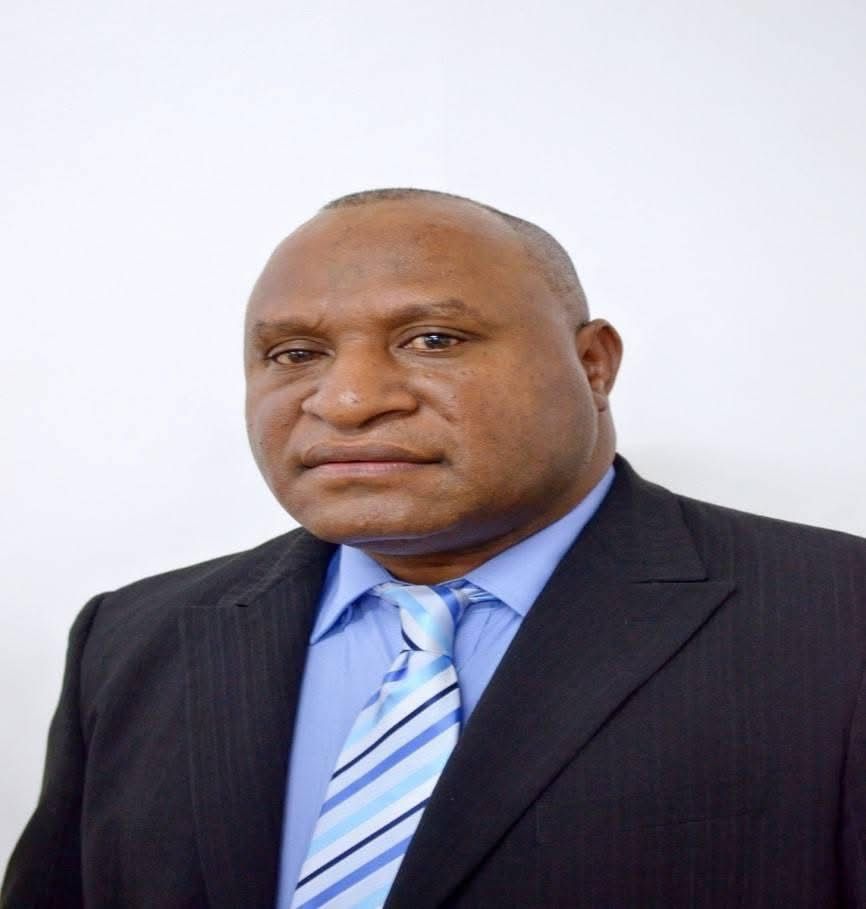
THE 2030 National Population Census will be a major priority for newly appointed National Statistician Alfred Mokae as he begins his tenure at the National Statistical Office (NSO).
Following the signing of his official employment contract, Mr. Mokae outlined his reform agenda and key priorities for strengthening the NSO.
He said preparations for the 2030 Census would focus on modern digital systems, improved field operations and ensuring all communities, including those in remote and hard-to-reach areas, are properly counted.
“Our objective is to ensure that every Papua New Guinean counts and that no community is left behind in our national statistics. The 2030 Census provides an opportunity to demonstrate what a modern, digitally enabled national statistical system can achieve,” he said.
Mr. Mokae said his reform agenda would focus on:
- Strengthening the legislative and institutional framework for official statistics.
- Modernising NSO systems, processes and statistical infrastructure.
- Accelerating the digitalisation of surveys, censuses and statistical production.
- Improving the quality, timeliness and accessibility of official statistics.
- Strengthening economic statistics, including GDP, national accounts and price statistics.
- Improving the use of administrative data and strengthening the National Statistical System.
- Building staff capability through targeted training, professional development and improved technical systems.
- Strengthening data governance, integrity, confidentiality and public trust.
- Improving the efficiency and effectiveness of NSO operations.
Mr. Mokae also emphasised the need to improve the frequency and timeliness of economic statistics to support national economic management.
“The NSO will continue strengthening national accounts and economic statistics, including work towards more frequent GDP estimates, improved business surveys and enhanced integration of administrative and survey data,” he said.
“Papua New Guinea needs statistics that keep pace with the economy. We must strengthen our capacity to provide timely information on economic activity, prices, employment, households and businesses so that Government and other users can make informed decisions.”
Mr. Mokae acknowledged the support of the Government, development partners, international statistical agencies, the private sector, academia and other stakeholders.
He said successful reform would require a whole-of-government and whole-of-country approach.
“The NSO cannot deliver this transformation alone. We need strong partnerships across Government, the private sector, development partners, academia and our communities. Statistics are a national asset and strengthening the statistical system is a shared responsibility,” he said.
Mr. Mokae also recognised the contribution of NSO staff, saying institutional reform must be accompanied by investment in people and systems.
“Our staff are at the centre of this transformation. We must invest in their skills, professionalism, welfare and working environment while holding ourselves to the highest standards of integrity and performance,” he said.