


By ESWIN PLESIO
PAPUA New Guinea’s nursing body has called for sweeping reforms to nursing education, warning that many graduates are entering the workforce without the clinical skills needed to provide safe, confident patient care.
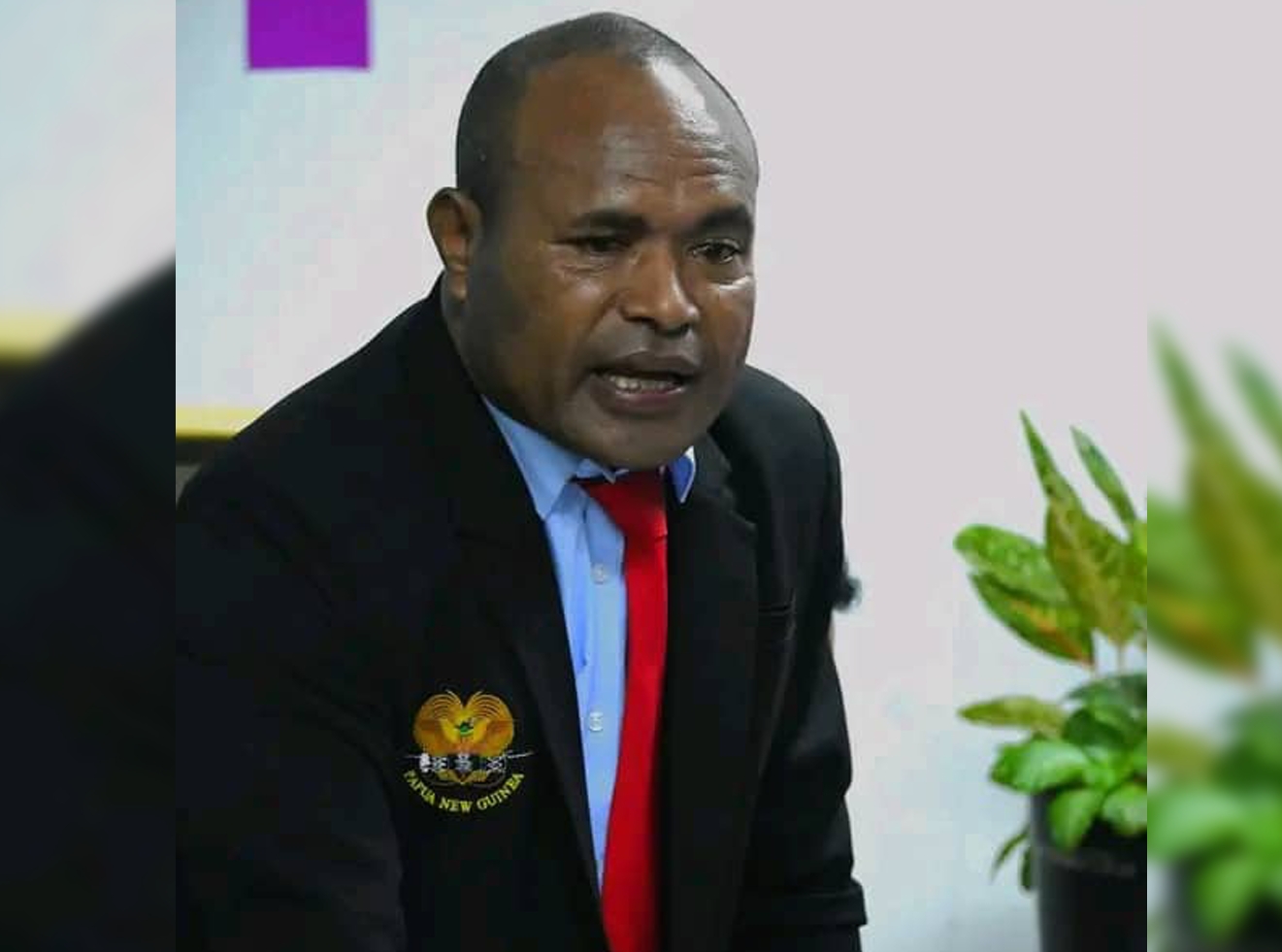
Speaking on the final day of the National Nursing Symposium at Sir John Guise Stadium in Port Moresby on yesterday (30/07/26). Papua New Guinea Nurses Association (PNGNA) President Fredrick Kebai said nursing students must graduate with both strong academic knowledge and practical experience.
Mr Kebai said the removal of a six-month clinical attachment from the nursing curriculum had affected the quality of graduates entering the workforce.
“In the past, nurses completed three years and six months of training, and when they graduated, they were ready to work,” he said.
“Today, students are academically smart, but many are not clinically competent. That is something we must address.”
He urged curriculum developers and the Nursing Council of Papua New Guinea to reinstate the six-month clinical placement, saying it would better prepare graduates before they entered the profession.
Mr Kebai also proposed that nursing students complete clinical attachments outside their own regions. He said students from coastal provinces should spend time training in the Highlands, while Highlands students should undertake placements on the coast to expose them to different diseases, medical conditions and healthcare challenges.
“We want nurses who can work anywhere in the country,” he said. “They must be exposed to different environments and be ready to serve wherever they are needed.”
He also called for stronger continuous professional development (CPD), recommending that nurses complete regular in-house training and competency assessments before renewing their practising licences every two years.
According to Mr Kebai, specialised nurses, including those working in mental health and midwifery, should demonstrate their skills through refresher training before their licences are renewed.
The PNGNA president also raised concern over the increasing number of unemployed nursing graduates despite growing healthcare needs across the country.
“Our population is increasing, yet many qualified nurses remain unemployed while people in rural communities continue to struggle to access healthcare,” he said.
“What is the purpose of training nurses if we cannot absorb them into the health system?”
He called on the Government to create more nursing positions to ensure graduates do not lose their skills while waiting for employment.
Mr Kebai also urged the Government to fast-track amendments to the country’s Health Practitioners legislation, saying the updated law would strengthen professional standards, support continuous learning and improve regulation of the nursing profession.
He stressed that experienced clinicians should be encouraged to move into teaching, arguing that students learn best from educators with years of practical experience.
Mr Kebai said the symposium’s recommendations would be presented to the Nursing Council as part of efforts to improve nursing education, strengthen the profession and ensure Papua New Guinea produces nurses who are capable of meeting both national and international healthcare standards.
Any space available to do six months competency…..please reply