



Health Minister Hon. Dr Billy Joseph has called for stronger Provincial Health Authorities (PHAs), greater accountability and improved health outcomes as he officially opened the 2026 Papua New Guinea Medical Symposium in Lae.
The symposium, hosted by the Medical Society of Papua New Guinea at the Papua New Guinea University of Technology, brings together clinicians, health managers, researchers, academics, health workers, students, development partners and Church health services to discuss the future of the country’s health system.
This year’s symposium is focused on the theme, “Provincial Health Authorities Establishment Review: Past, Present and Future — PHAs Forward and Back.”


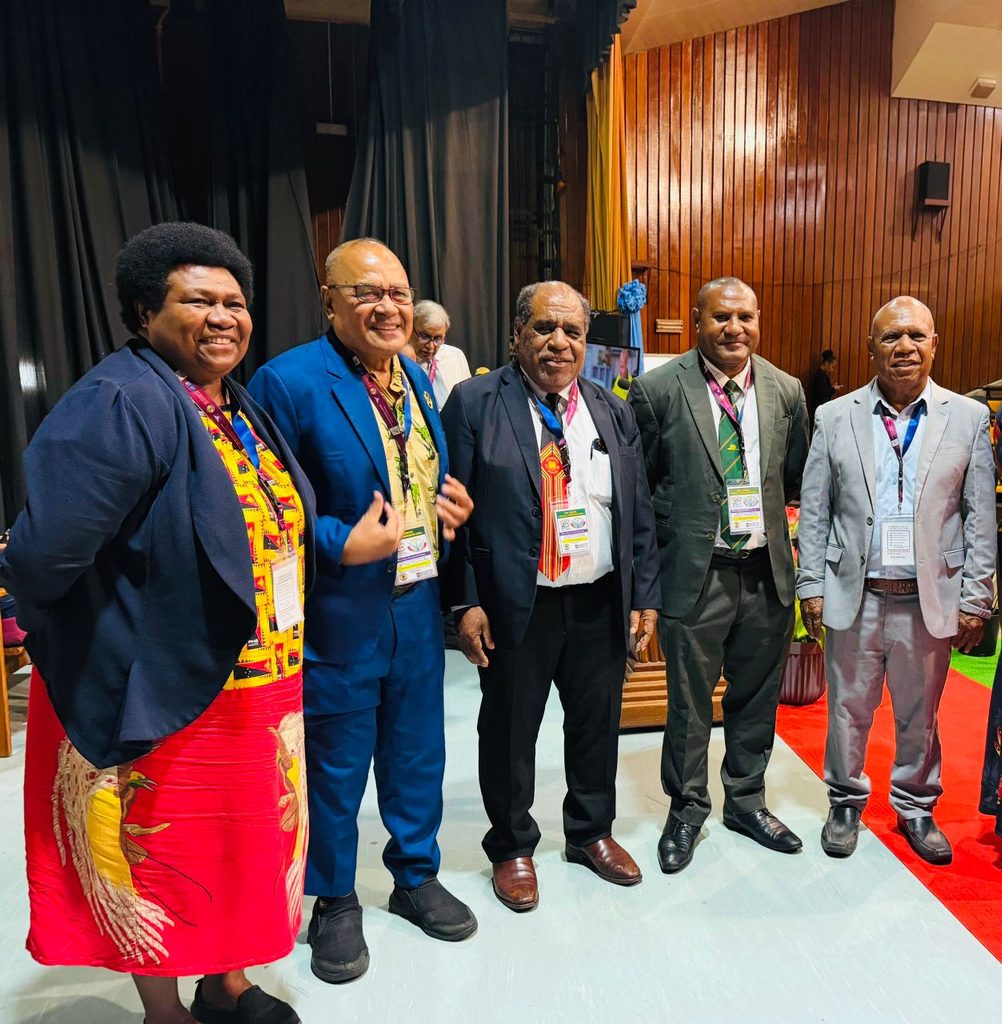
In his opening address, Dr Joseph called for an honest, evidence-based assessment of almost 20 years of PHA reform and questioned whether the reforms had delivered the improvements in health outcomes expected by Papua New Guineans.
The Minister noted that PNG now has more health facilities, more health workers and significantly greater government investment in health than in 2007. However, he said key health indicators had not improved at the same pace.
He highlighted that skilled or supervised births remain around 44 per cent, routine immunisation coverage is below 50 per cent for some key vaccines, tuberculosis incidence remains above 400 cases per 100,000 population, while approximately 1,256 health facilities remain closed.
Government health investment has also increased substantially, from about K346 million in 2007 to more than K3.2 billion in 2026.
Dr Joseph stressed that health reform must ultimately be measured by health outcomes, not simply by structures, legislation or levels of investment.
He said the PHA system must deliver reliable medical supplies, skilled and supported health workers, functioning infrastructure, stronger accountability and better services for communities.
The Minister also outlined a 120-Day Plan built around 10 interconnected priorities, including stronger leadership and stewardship, improved governance and accountability, medical supply chain reform, implementation of the National Health Infrastructure Plan 2025–2035, strengthening the health workforce and modernising health legislation.
Other priorities include expanding strategic partnerships, developing a national tertiary care policy, establishing a national pre-hospital care system, and strengthening public health and disease prevention.
Dr Joseph said PHA performance would be central to delivering these priorities, while the National Department of Health remains responsible for national policy and standards and PHAs are responsible for translating these into effective services at community level.
He also called for greater accountability from PHA Boards and Chief Executive Officers, saying performance must ultimately be judged by the results delivered to patients and communities.
The Minister challenged the symposium to move beyond discussion and ensure its recommendations lead to clear actions, responsible agencies and measurable follow-up.
“The objective is not simply to have a successful symposium. It is to build a more successful health system.”
Dr Joseph said the review of the PHA reform presents an opportunity to learn from what has worked, confront what has not, and make the necessary changes to build a stronger, more accountable and better-performing health system for the next 50 years of Papua New Guinea.