


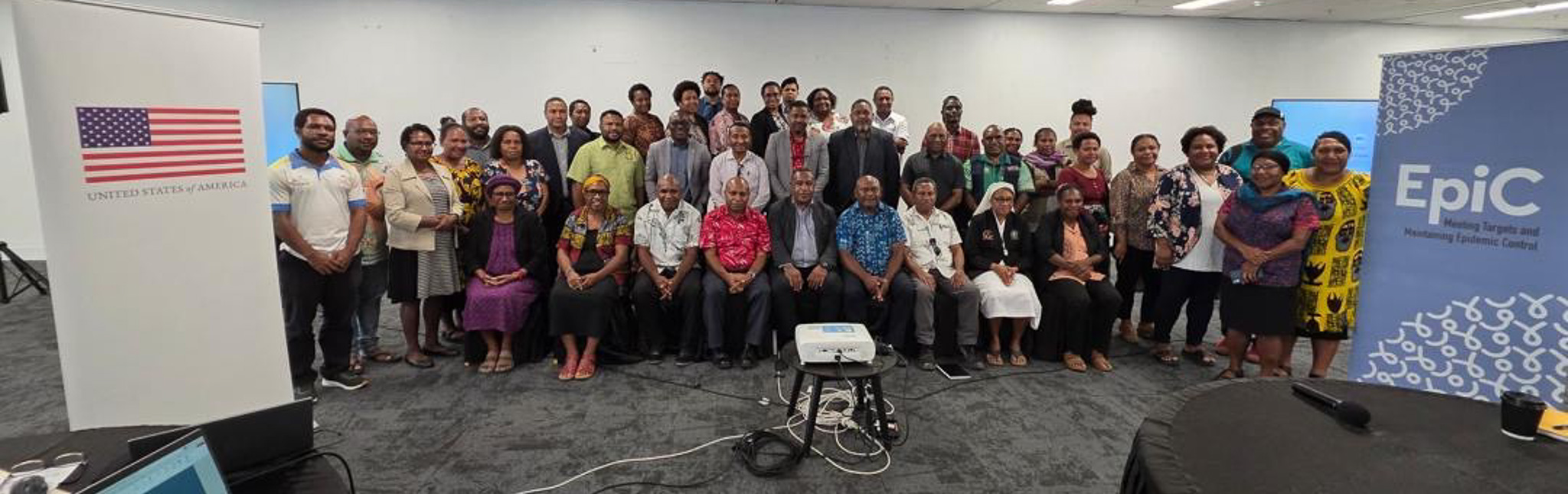
The Data for Health Systems Strengthening Project convened a one-day national leadership and strategic high-level meeting on the District Health Information Software 2 (DHIS2) platform in Port Moresby yesterday.
The project is part of US financial support, totaling US$28 million (K121m), to strengthen the capacity of the PNG government to combat the HIV/AIDS epidemic from 2018 to 2025.
With this funding, the project supports the Meeting Targets and Maintaining Epidemic Control (EpiC) project, implemented by FHI 360 in close partnership with PNG National Department of Health (NDoH). By investing in DHIS2 and related digital health systems, U.S. foreign assistance supports real-time reporting, improved monitoring, and evidence-based decision-making.
These initiatives are designed to enhance Papua New Guinea’s own institutions enabling, the government and local partners to plan, finance, and manage health programs without external support.
Foreign Assistance Section Chief at the US Embassy in Port Moresby Beata Angelica said: “I would like to recognize the Government of Papua New Guinea, particularly the National Department of Health, for its leadership and commitment to strengthening the country’s health systems.
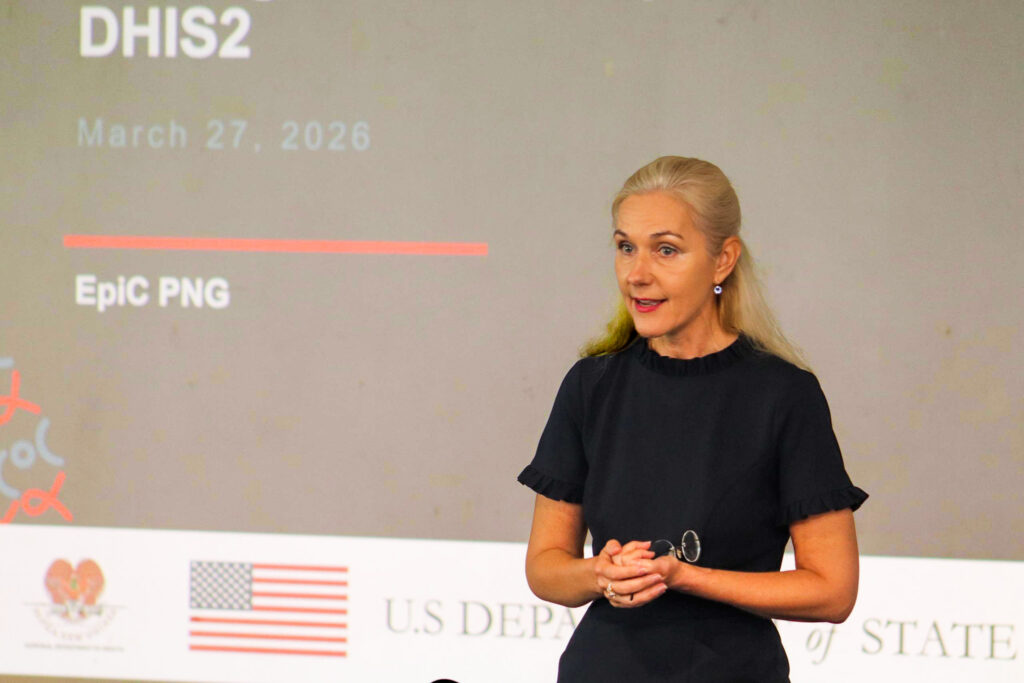
“Through U.S. foreign assistance, we are not just funding projects; we are helping build the digital tools, data systems, and local capacity needed so Papua New Guinea can sustain and expand these programs on its own.”
Since 2005, the United States has provided over $87 million to strengthen Papua New Guinea’s health sector focusing on combating HIV/AIDS, strengthening local health systems, and preventing disease, with a strong emphasis on national ownership and sustainability.
Papua New Guinea’s HIV epidemic requires urgent, coordinated, data-driven action and U.S. assistance in health information systems aims to ensure that high-quality, timely data inform decisions at all levels of the health system.
By supporting DHIS2, U.S. foreign assistance helps track patients, monitor services, identify gaps, and target resources effectively—while building the skills and systems within NDoH and provincial health authorities to manage these functions independently.
The introduction and scale-up of DHIS2 is a transformational step for Papua New Guinea’s health information landscape. Although initially focused on HIV, DHIS2 can also bolster immunization, tuberculosis, disease surveillance, and broader health system functions, supporting a more integrated and efficient national health information ecosystem.
Under the strategic vision for America First Foreign Assistance, the United States continues to support the Government of Papua New Guinea across health, security, disaster response, economic development, and education, while prioritizing self-reliance and long-term impact.
“The United States is proud to be a partner, and our goal is for Papua New Guinea to lead,” Angelica said.
“Our investments in digital health, HIV programs, and health security are structured so that, they are fully owned, managed, and sustained by Papua New Guinea. That is how we ensure that today’s foreign assistance translates into tomorrow’s self-reliant, resilient health system.”
The United States Government remains committed to working alongside Papua New Guinea to strengthen health systems, advance digital health solutions, and achieve sustainable health outcomes that endure well beyond the life of any single project.