


By SEPKOLIN WALNE
The Oil Palm Industry Corporation (OPIC) has successfully concluded its nationwide consultation workshops on the proposed Oil Palm Management and Authority Bill, ending on a high note with overwhelming support from growers, block holders, and key industry stakeholders.
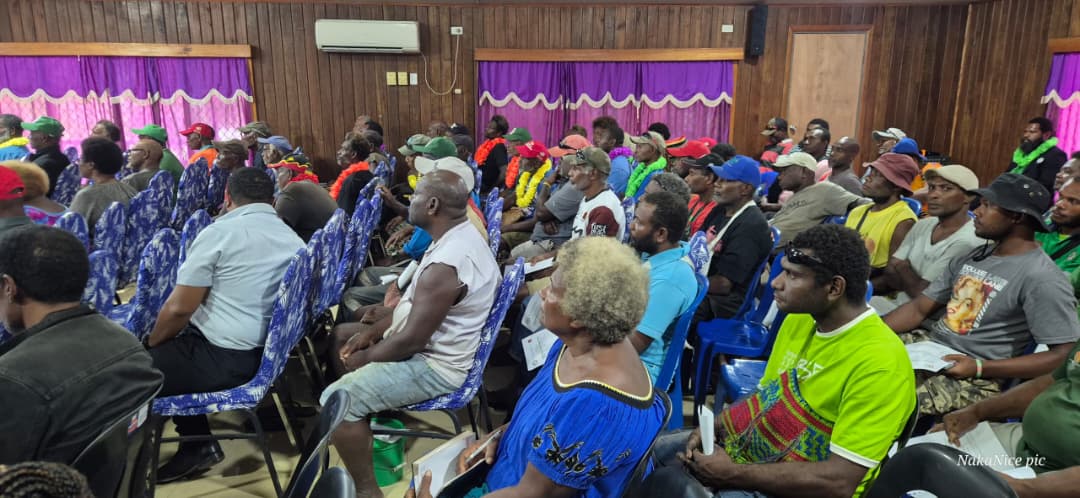
The final leg of consultations, led by the OPIC Technical Working Team in partnership with the Oil Palm Ministry and OPIC Management, covered major oil palm-growing regions including Kimbe, Wewak, Alotau, Popondetta, Kokopo, and Kavieng.
These sessions provided a vital platform for direct engagement with rural farmers, industry players, provincial authorities, and milling companies.
Participants across all regions expressed strong endorsement of the proposed legislation, emphasising the urgent need for reforms to strengthen governance, improve industry coordination, and enhance transparency and accountability within the sector.
The proposed legislation aims to modernize the regulatory framework of Papua New Guinea’s oil palm industry by clearly defining institutional roles, improving service delivery to smallholder growers, and ensuring sustainable industry growth.
It also seeks to empower OPIC with greater authority to effectively regulate and support the sector while promoting fair participation among all stakeholders.
Growers and block holders welcomed the reforms, noting that the Bill addresses long-standing challenges such as pricing transparency, access to extension services, infrastructure development, and equitable benefit-sharing.
Many described the consultations as inclusive and timely, allowing grassroots voices to shape the future of the industry.
OPIC officials reaffirmed that feedback gathered during the consultations will be incorporated into the final draft of the bill before it is presented to Parliament.
The legislation is expected to be tabled during the June sitting of Parliament, where it will undergo debate and consideration.
Local Members of Parliament representing oil palm-growing provinces have been strongly urged to support the Bill, with stakeholders highlighting its importance for the economic well-being of rural communities, the sustainability of milling operations, and increased government revenue.
The oil palm industry remains one of Papua New Guinea’s most important agricultural sectors, supporting tens of thousands of smallholder families and contributing significantly to export earnings. Stakeholders believe that the passage of this bill will mark a new era of growth, stability, and improved livelihoods across the sector.